战争创伤

Search documents
平均工资不到1000块,我在这个世遗小城躺了整个春节
3 6 Ke· 2026-02-26 03:20
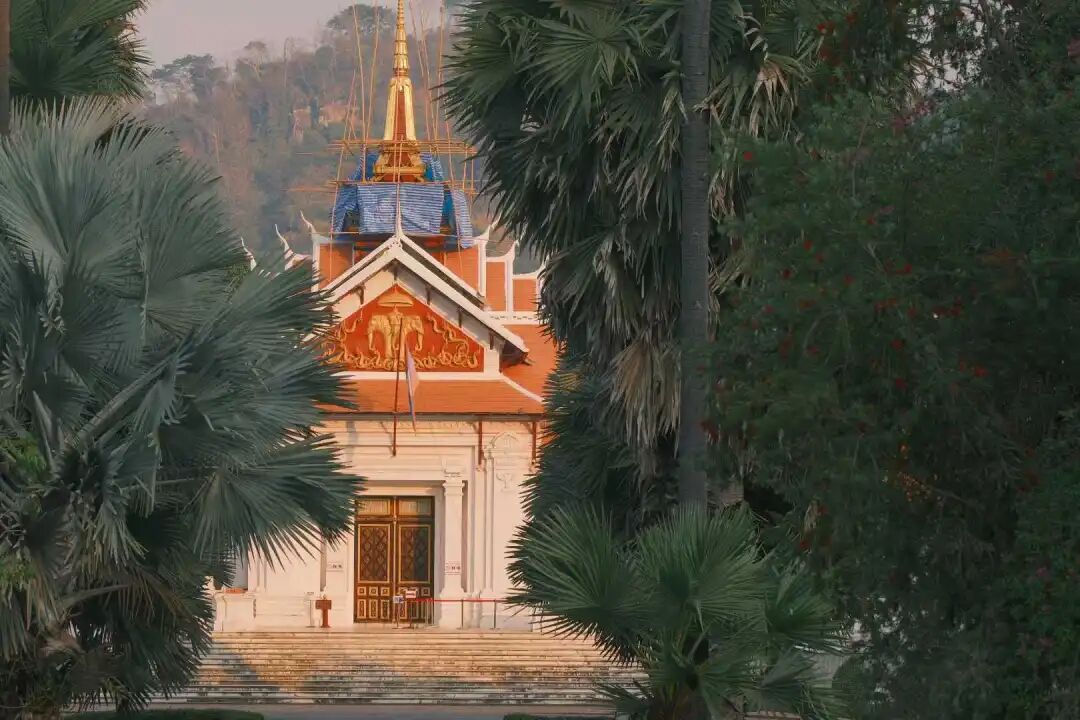
Group 1 - The article highlights the unique cultural and historical significance of Luang Prabang, Laos, emphasizing its peaceful atmosphere and rich Buddhist heritage [1][15][19] - The average income of Laotian people is reported to be between 800 to 1000 RMB, reflecting a modest yet content lifestyle [3] - The architecture in Luang Prabang is heavily influenced by French colonial styles, evident in the buildings and hotels throughout the city [10][15] Group 2 - The article discusses the importance of the Mekong River to the local community, serving as a vital resource for irrigation, fishing, and transportation [29] - It mentions the tragic history of Laos during the Vietnam War, where over 2 billion cluster bombs were dropped, making it the most bombed country per capita [34] - The UXO Lao Visitor Center serves as a reminder of the ongoing impact of unexploded ordnance, with around 30% of bombs remaining unexploded, posing risks to local populations [34][35]

一位普通老兵的二战纪念碑(旅人心语)
Ren Min Ri Bao· 2025-07-03 22:08
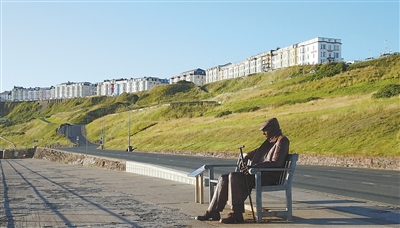
Core Viewpoint - The article highlights the significance of memorials and art in commemorating the sacrifices made during World War II, particularly through the sculpture "Freddie Gilroy and the Belsen Stragglers" created by artist Ray Lonsdale, which serves as a reminder of the war's impact on ordinary lives and the importance of remembering history [2][3][4]. Group 1: Sculpture and Its Significance - The sculpture, made of weathering steel, depicts Freddie sitting on a bench, reflecting on his past experiences as a soldier who liberated concentration camp prisoners [3][4]. - Lonsdale's design emphasizes the ordinary nature of Freddie, portraying him as a common elderly man rather than a heroic figure, which connects the theme of war to everyday life [3][4]. - The empty space beside Freddie in the sculpture symbolizes the loss of comrades and invites viewers to reflect on the impact of war on survivors [4]. Group 2: Artistic Choices and Public Reception - The choice of weathering steel for the sculpture allows it to blend with the environment over time, symbolizing the enduring nature of historical memory [4][5]. - Since its unveiling in 2011, the sculpture has attracted numerous visitors who regard Freddie as a guardian of the coast, often taking photos with it during sunset [5]. - The emotional resonance of the sculpture is captured in public sentiments, with visitors recognizing it as a representation of all soldiers who returned home but remained haunted by their experiences [5].