战略自主化

Search documents
错误言论暗藏三大意图,高市早苗打的什么“算盘”?| 国际识局
Zhong Guo Xin Wen Wang· 2025-11-24 01:37
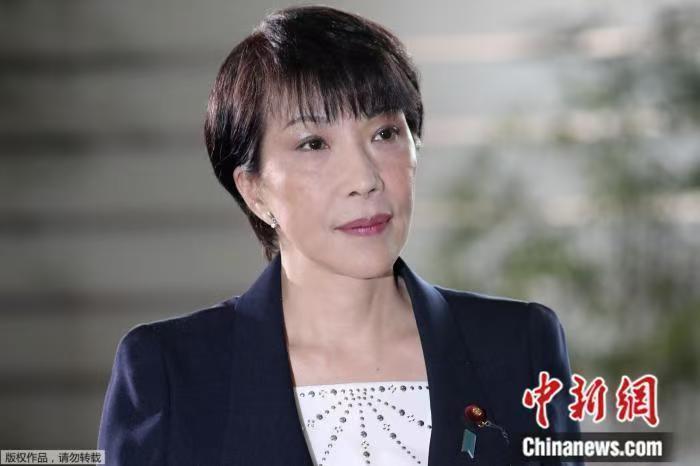
Core Viewpoint - Recent statements by Japanese Prime Minister Sanae Takaichi regarding Taiwan suggest a potential shift in Japan's defense policy, indicating a willingness to engage militarily in the Taiwan Strait, which could disrupt regional stability and security [1][4][8] Group 1: Strategic Intentions - Takaichi's remarks may serve to justify Japan's transition to a "war-capable nation," leveraging the concept of "survival crisis" to expand the Self-Defense Forces' operational scope [4][5] - The government is pushing for constitutional amendments and increased military spending, including the potential removal of the "no nuclear weapons" principle, to enhance Japan's defense capabilities [4][5] - The linkage of Taiwan's situation to Japan's national security is seen as a strategic pivot from passive involvement to proactive positioning against China [5][6] Group 2: Domestic Political Implications - Takaichi's narrative aims to consolidate support from conservative factions within Japan, framing herself as a strong advocate for national defense and security [7] - By emphasizing the urgency of the Taiwan issue, Takaichi seeks to marginalize moderate voices within her party and establish a more hardline stance on defense policy [7] Group 3: Regional and International Impact - Takaichi's statements threaten to undermine the political foundation of Sino-Japanese relations, challenging the principles of the One China policy and previous agreements [8][10] - The rhetoric contributes to escalating tensions in the Taiwan Strait and East Asia, reflecting a broader trend of militarization and right-wing nationalism in Japan [8][9] - The potential for Japan to break free from post-war security constraints raises concerns about a shift in the balance of power in the Asia-Pacific region, with implications for global alliances and military dynamics [9][10]