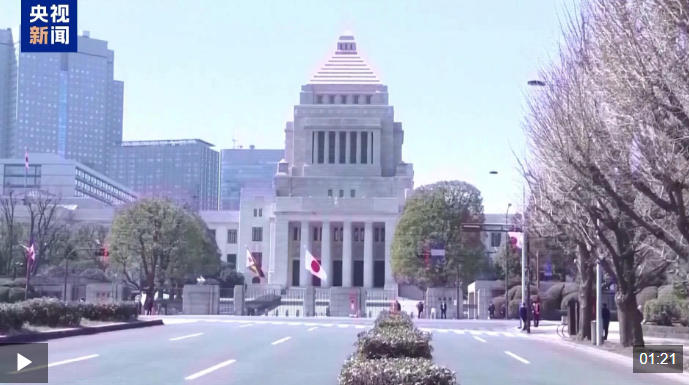
台湾有事即日本有事

Search documents
错误言论暗藏三大意图,高市早苗打的什么“算盘”?| 国际识局
Zhong Guo Xin Wen Wang· 2025-11-24 01:37
Core Viewpoint - Recent statements by Japanese Prime Minister Sanae Takaichi regarding Taiwan suggest a potential shift in Japan's defense policy, indicating a willingness to engage militarily in the Taiwan Strait, which could disrupt regional stability and security [1][4][8] Group 1: Strategic Intentions - Takaichi's remarks may serve to justify Japan's transition to a "war-capable nation," leveraging the concept of "survival crisis" to expand the Self-Defense Forces' operational scope [4][5] - The government is pushing for constitutional amendments and increased military spending, including the potential removal of the "no nuclear weapons" principle, to enhance Japan's defense capabilities [4][5] - The linkage of Taiwan's situation to Japan's national security is seen as a strategic pivot from passive involvement to proactive positioning against China [5][6] Group 2: Domestic Political Implications - Takaichi's narrative aims to consolidate support from conservative factions within Japan, framing herself as a strong advocate for national defense and security [7] - By emphasizing the urgency of the Taiwan issue, Takaichi seeks to marginalize moderate voices within her party and establish a more hardline stance on defense policy [7] Group 3: Regional and International Impact - Takaichi's statements threaten to undermine the political foundation of Sino-Japanese relations, challenging the principles of the One China policy and previous agreements [8][10] - The rhetoric contributes to escalating tensions in the Taiwan Strait and East Asia, reflecting a broader trend of militarization and right-wing nationalism in Japan [8][9] - The potential for Japan to break free from post-war security constraints raises concerns about a shift in the balance of power in the Asia-Pacific region, with implications for global alliances and military dynamics [9][10]

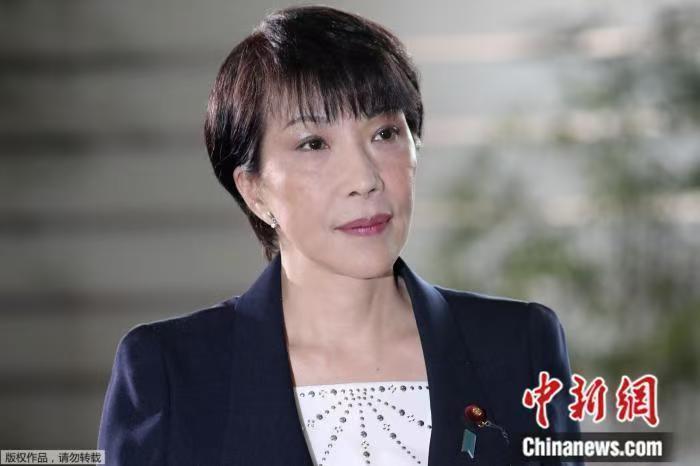
高市早苗妄图“以台制华”不会得逞
Yang Shi Xin Wen Ke Hu Duan· 2025-11-19 05:46
Core Viewpoint - The recent provocative remarks by Japanese Prime Minister Sanae Takaichi regarding Taiwan have elicited strong responses from Chinese diplomatic and defense authorities, highlighting the tensions in cross-strait relations and Japan's historical insensitivity [1][8]. Group 1: Strategic Intentions - Experts suggest that Takaichi's comments are aimed at using Taiwan as a strategic leverage point in geopolitical games, reflecting a series of underlying strategic intentions [1]. - The remarks are seen as an attempt to deter China and assert Japan's dominance in East Asia, while also catering to domestic right-wing factions that support her [3]. - Takaichi's statements are perceived as providing encouragement to pro-independence forces in Taiwan, further complicating the regional dynamics [3]. Group 2: Challenges to Sino-Japanese Relations - Takaichi's remarks pose a serious challenge to the political foundation of Sino-Japanese relations, which are governed by four key political documents that affirm commitments regarding Taiwan [5]. - The comments are viewed as a violation of Japan's political commitments and international legal obligations, which could exacerbate existing economic and cultural barriers between the two nations [7]. - The situation underscores the need for Japan to adhere to its political promises and international law to maintain regional peace [7]. Group 3: Reactions from Taiwan - Takaichi's statements have been met with widespread condemnation from various sectors in Taiwan, with over 30 organizations publicly protesting against her remarks [8]. - Taiwanese commentators argue that Takaichi's rhetoric reflects a persistent desire among Japanese right-wing factions to revive militarism, which poses a threat to Taiwan's sovereignty [10]. - The backlash indicates a strong rejection of any attempts to involve Taiwan in Japan's military ambitions, emphasizing that pro-independence movements will not succeed [10].
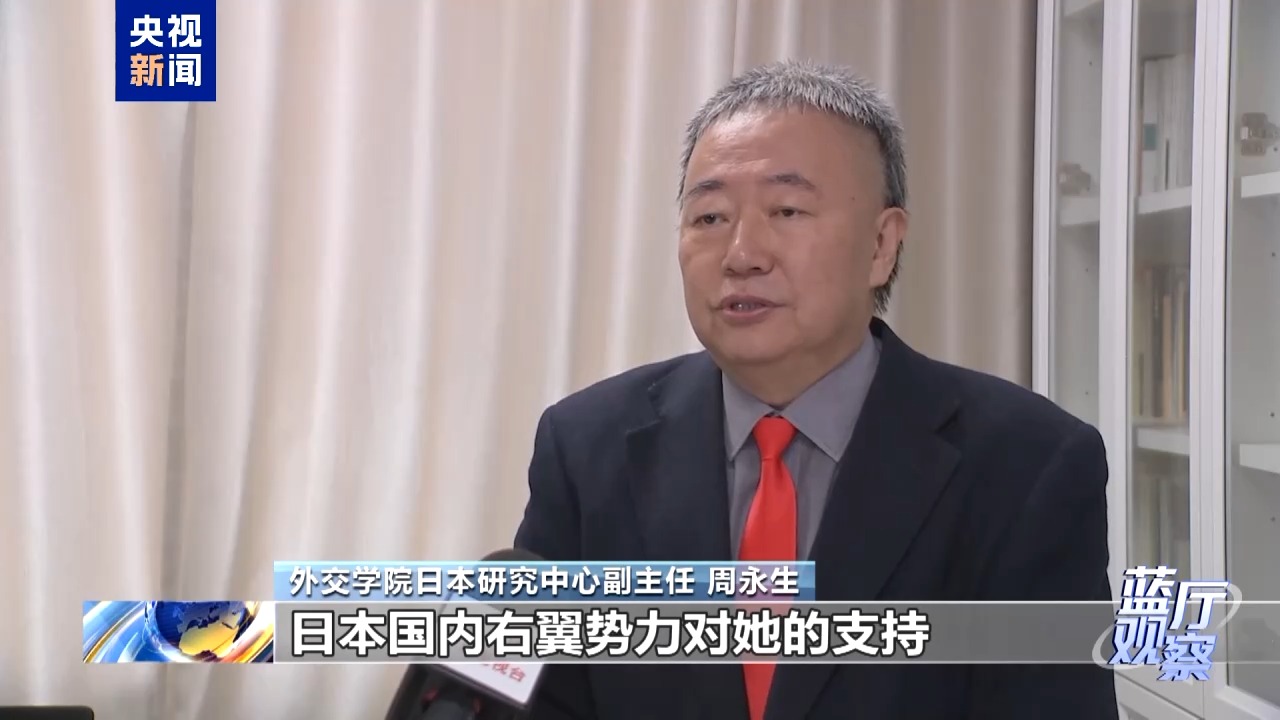
视频丨高市早苗错误言论被批:首相自身或成日本“存亡危机”
Yang Shi Xin Wen Ke Hu Duan· 2025-11-18 02:59
Core Viewpoint - The recent remarks by Prime Minister Kishi Sanae regarding Taiwan disregard legal and historical facts, posing risks to regional stability and Japan itself [2][5] Group 1: Political Context - Kishi is the first Japanese leader to directly link the concept of "Taiwan's situation" with "survival crisis," revealing intentions for military intervention in the Taiwan Strait [2] - Previous Japanese administrations have maintained a vague stance on the boundaries of "survival crisis," despite joint exercises between the Self-Defense Forces and the U.S. military under the backdrop of "Taiwan's situation" [2] Group 2: Reactions and Implications - Kishi's statements have sparked strong reactions, as they touch upon specific scenarios that the Japanese government has historically avoided addressing clearly [5] - The ambiguity in definitions related to "Taiwan's situation" could lead to dangerous implications for the exercise of collective self-defense [7] Group 3: Defense Policy - Kishi's administration is characterized by hawkish policies, including accelerating defense spending goals, establishing a "National Intelligence Agency," formulating anti-espionage laws, and easing weapon export regulations, which may intentionally escalate tensions [8]