户外品质生活

Search documents
库存借款高企却突击分红2.9亿,坦博尔IPO在刀尖上跳舞
凤凰网财经· 2025-10-15 14:19
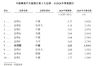
Core Viewpoint - The article discusses the recent IPO application of the domestic down jacket brand Tamboor, highlighting its strategic shift towards becoming an outdoor lifestyle brand and the challenges it faces in a competitive market [4][5][10]. Group 1: Company Overview - Tamboor has repositioned itself as an "outdoor quality lifestyle brand," moving from a focus on winter down jackets to a broader range of outdoor functional apparel [5]. - The company aims to raise funds for technology research and development, brand and channel upgrades, supply chain enhancement, strategic acquisitions, and operational funding [6]. Group 2: Market Position and Growth - By 2024, Tamboor is projected to be the fourth largest domestic professional outdoor apparel brand in China, with a retail revenue of RMB 2.03 billion and a market share of 1.54% [6]. - The outdoor sports participation rate in China is expected to reach nearly 30% by the end of 2024, with the professional outdoor industry market size projected to grow to RMB 418 billion by 2029 [7]. Group 3: Financial Performance - Tamboor's revenue has shown significant growth, with figures of RMB 732 million in 2022, RMB 1.02 billion in 2023, and a projected RMB 1.3 billion in 2024, reflecting a compound annual growth rate of 33% [10]. - The company reported a substantial year-on-year revenue increase of 85% in the first half of the current year, reaching RMB 658 million [10]. Group 4: Product Strategy - Tamboor's product line includes three main series: top outdoor series, sports outdoor series, and urban light outdoor series, catering to various outdoor activities and urban scenarios [8]. - The urban light outdoor series has contributed the majority of revenue, accounting for 68.2% in the first half of the current year, although its share is gradually declining as the company shifts towards higher-end products [12]. Group 5: Challenges and Concerns - Despite revenue growth, Tamboor faces challenges with declining gross margins, particularly in its high-end product lines, indicating potential pricing pressures [16]. - The company's inventory issues are concerning, with a significant increase in inventory value and a drastic rise in inventory turnover days to 485 days, which could impact cash flow [17]. - Tamboor's R&D expenditure as a percentage of total revenue has been decreasing, raising concerns about its long-term innovation capabilities [17]. Group 6: Corporate Governance and Future Outlook - Tamboor's ownership is highly concentrated, with a family-controlled structure, which may influence its financial decisions, including a recent large dividend payout before the IPO [18][19]. - The company must balance its growth strategy with profitability and innovation to compete effectively against larger brands like Anta and Li Ning, as well as similar brands like BERSHKA [19].

库存借款高企却突击分红2.9亿,坦博尔IPO在刀尖上跳舞
Xin Lang Cai Jing· 2025-10-15 12:28
Core Viewpoint - The domestic down jacket brand Tanboer has submitted an application for listing on the Hong Kong Stock Exchange, aiming to capitalize on the growth of the outdoor sports market in China, transitioning from a winter-focused brand to a year-round outdoor functional apparel brand [1][2]. Company Overview - Tanboer was established in 2015 and has previously listed on the New Third Board before delisting in 2017. It is now targeting the outdoor quality lifestyle market [1]. - As of 2024, Tanboer has become the fourth largest domestic professional outdoor apparel brand in China, with a retail revenue of RMB 2.03 billion, accounting for 1.54% of the market share [2][3]. Market Context - The outdoor sports participation rate in China is projected to reach nearly 30% by the end of 2024, with the professional outdoor industry expected to grow to RMB 418 billion by 2029. The market size for domestic professional outdoor apparel brands is forecasted to increase from RMB 27 billion in 2019 to RMB 57.3 billion in 2024, reflecting a compound annual growth rate of 19.1% [3]. Product Strategy - Tanboer's product line consists of three main series: top outdoor series, sports outdoor series, and urban light outdoor series, catering to various outdoor activities and urban scenarios [4]. - The pricing for the top outdoor series ranges from RMB 999 to RMB 3,299, while the sports outdoor series is priced between RMB 599 and RMB 2,999, and the urban light outdoor series ranges from RMB 699 to RMB 1,799 [5]. Financial Performance - Tanboer's revenue has shown significant growth, with figures of RMB 732 million in 2022, RMB 1.02 billion in 2023, and projected RMB 1.3 billion in 2024, representing a compound annual growth rate of 33% from 2022 to 2024. The revenue for the first half of 2024 increased by 85% year-on-year to RMB 658 million [5][6]. - The company has experienced a decline in gross margin, with the overall gross margin dropping to 54.2% in the first half of 2024, down from 59.8% in the previous year [11][12]. Marketing and Brand Positioning - Tanboer has been actively engaging in marketing campaigns, including partnerships with celebrities and events to enhance brand visibility. However, this has led to increased marketing costs, which accounted for nearly 40% of total revenue in recent years [11][13]. - The brand has also signed sponsorship deals with national teams, including the Austrian Nordic skiing team, to elevate its market presence [7]. Challenges and Concerns - The company faces challenges related to inventory management, with a significant increase in inventory value and a prolonged turnover period of 485 days, which is substantially higher than competitors like Anta and Li Ning [13]. - Despite the push towards high-end products, the investment in research and development has decreased, raising concerns about the sustainability of growth and innovation [13][14]. Conclusion - Tanboer's upcoming IPO represents a strategic move to secure funding amid rising competition in the outdoor apparel market. The brand's ability to balance growth with profitability and innovation will be critical for its long-term success in a competitive landscape [15].