
户外探险安全

Search documents
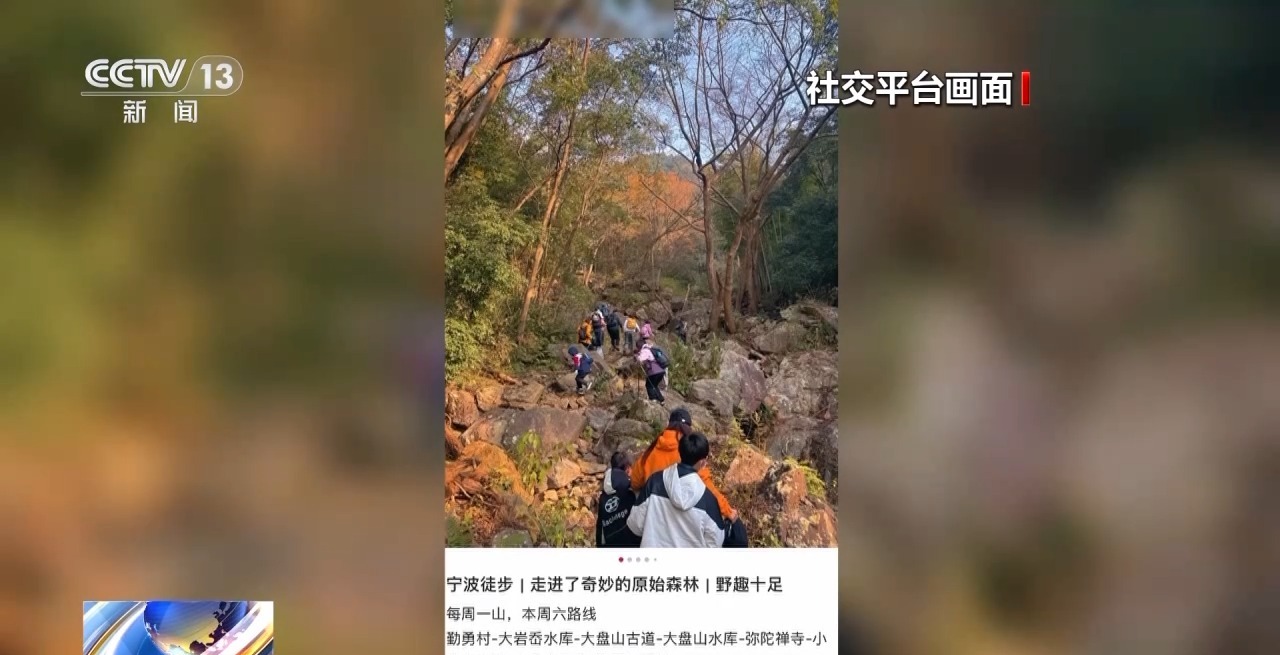
野外徒步受热捧 警惕社交平台“网红路线”藏险情
Yang Shi Wang· 2026-01-21 15:45
Core Viewpoint - The rise in outdoor hiking activities has led to an increase in safety risks, with many hikers getting lost or injured while following popular routes recommended on social media platforms [1][9][26] Group 1: Incidents and Risks - Two hikers in Ningbo got lost while following a social media-recommended route, ending up 15 kilometers away from their intended location, leading to one sustaining injuries due to exposure [2][4] - In Qingdao, a couple was rescued after getting lost on a mountain, having followed the same social media route as another couple who also required assistance [6][8] - Many popular hiking routes, such as the "heart-shaped line" in Changsha, are dangerous due to steep inclines and lack of safety measures, attracting inexperienced hikers despite warnings [11][13] Group 2: Safety Measures and Recommendations - Experts recommend a layered clothing approach for outdoor activities to prevent hypothermia, emphasizing the importance of proper gear and knowledge of the terrain [15][16] - Recent regulations have been introduced to manage outdoor exploration activities, including prohibiting unauthorized hiking routes and enhancing safety education [26][27] Group 3: Social Media Influence - Social media has significantly influenced the popularity of hiking routes, with many users sharing experiences and recommendations, often without highlighting the associated risks [4][9][17] - The phenomenon of "temporary group hiking" has emerged, where inexperienced individuals join together for hikes, increasing the potential for accidents due to varying levels of outdoor knowledge [19][20]

用理性认知拴上远足的“保险绳”
Xin Lang Cai Jing· 2026-01-11 21:22
Group 1 - The incident involving five young people in Shaanxi's Qinling "Aota Line" highlights the dangers of outdoor adventure and the misleading influence of social media on inexperienced individuals [1] - The "Aota Line" is located in a high-altitude area with extreme weather and complex terrain, leading to frequent accidents despite a ban on illegal crossings since 2018 [1] - From 2017 to 2021, over 2.3 million yuan was spent on search and rescue operations, indicating the significant financial burden of these incidents [1] Group 2 - Extreme sports have become a focal point for social media platforms, driven by commercial interests, leading to dangerous activities being portrayed as entertainment [2] - Recent cancellations of wilderness survival events due to safety risks emphasize the need for a shift from "traffic thinking" to "value thinking" in the industry [2] - There is a call for businesses and platforms to take responsibility for safety and environmental concerns, and for regulatory bodies to enforce clear penalties to protect public safety and ecological integrity [2]
中新网评:23岁硕士高反遇难,驴友不能“任自己的性”
Zhong Guo Xin Wen Wang· 2025-12-24 09:59
Core Viewpoint - The tragic incident of a 23-year-old master's student dying from severe altitude sickness while hiking in Sichuan highlights the critical need for outdoor enthusiasts to prioritize risk awareness and act within their limits [1][2]. Group 1: Incident Details - A 23-year-old master's student died due to severe altitude sickness while hiking at an elevation of over 4000 meters in Tianhaizi Mountain, Sichuan [1]. - The local sports center indicated that the hike was not officially sanctioned, lacking proper permits and a registered guide, and that the area had been closed to hikers since November [1]. Group 2: Outdoor Adventure Risks - Reports indicate that in 2024, there were 335 outdoor adventure accidents, resulting in 84 deaths, 92 injuries, and 11 missing persons [4]. - The causes of such accidents are complex, necessitating a multi-faceted approach to mitigate risks [4]. Group 3: Regulatory Measures - Authorities are urged to enhance risk warnings and designate prohibited areas for outdoor activities, as seen in recent bans on unauthorized exploration in the Qinling core protection area [4]. - Various regions, including Sichuan and Yunnan, are implementing regulations to define entry boundaries for undeveloped areas and hold violators accountable [4]. Group 4: Personal Responsibility - Individuals must take personal responsibility for their safety by respecting nature and understanding the risks associated with outdoor activities [4]. - It is essential for participants to educate themselves on relevant terrain, climate, and altitude sickness, and to adhere strictly to local laws and regulations [4]. Group 5: Legal Framework - The "Tourism Law of the People's Republic of China" mandates that tourists must follow safety warnings and may face legal consequences for violations that lead to adverse outcomes [5]. - The spread of risks associated with outdoor activities is exacerbated by social media and popular hiking guides that may misrepresent dangerous areas as safe [5]. Group 6: Responsible Outdoor Practices - The focus of regulatory measures is not to restrict outdoor activities but to ensure they are conducted safely and within controlled environments [5]. - By promoting compliance, professional services, and management protocols, the industry can provide safe outdoor experiences while addressing genuine travel demands [5].