执政危机

Search documents
国际观察丨高市早苗的三大危机与两大“赌注”
Xin Hua Wang· 2026-01-24 01:30
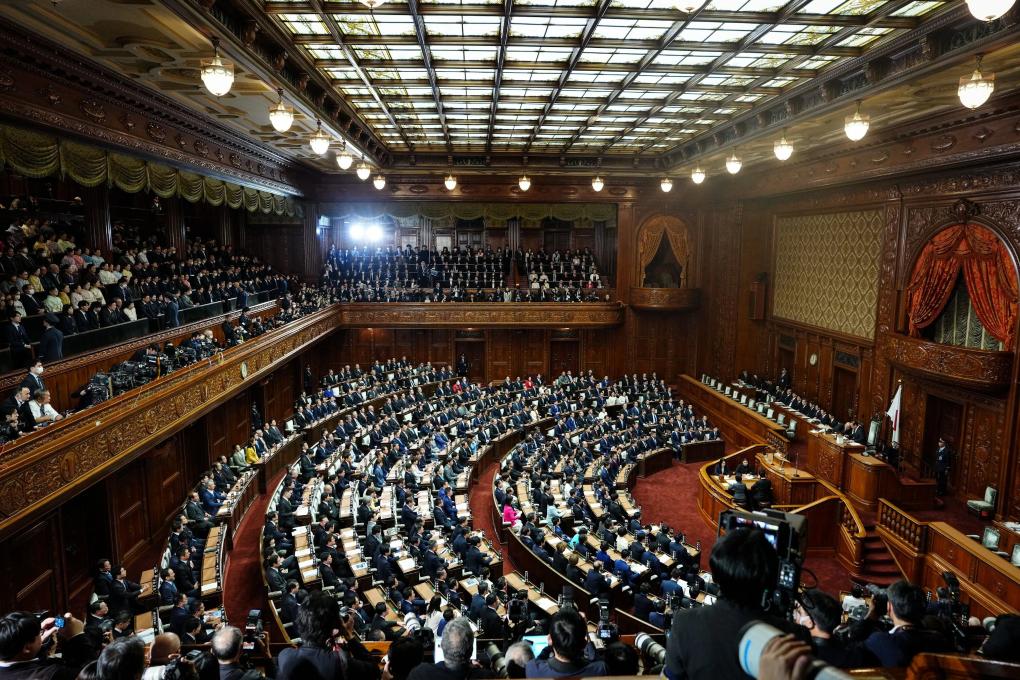
Core Viewpoint - The Japanese government, led by Prime Minister Sanae Takaichi, has dissolved the House of Representatives, marking the first time in 60 years that this has occurred on the opening day of a parliamentary session. This decision is seen as a political gamble amid three major crises facing Takaichi's administration, potentially reshaping Japan's political landscape and influencing its future direction [1][4]. Group 1: Three Major Crises - The first crisis is the instability of the ruling coalition, which holds a slim majority in the House of Representatives and is a minority in the House of Councillors. Takaichi's party, the Liberal Democratic Party (LDP), faces internal divisions and challenges from coalition partner Nippon Ishin no Kai [4]. - The second crisis involves personal scandals, including Takaichi's alleged connections with problematic religious groups and political funding issues, which could be exploited by opposition parties during parliamentary discussions [4]. - The third crisis is an unresolved economic predicament, as Takaichi's strategy of increasing government spending to combat high prices has not yielded significant results, leading to rising national debt and a depreciating yen [4]. Group 2: Two Major Bets - Takaichi's primary goal in the upcoming election is for the ruling coalition to secure a majority in the House of Representatives, with a secondary aim for the LDP to achieve a standalone majority. Recent polls suggest this goal is achievable [6]. - The sudden dissolution of the House of Representatives is a significant gamble, as it creates a short timeline of only 16 days until the election, the shortest since World War II. This unexpected move has caught many parties off guard, although the LDP, being the largest national party, is better positioned to field suitable candidates compared to opposition parties [6][7]. Group 3: Political Landscape Restructuring - In response to the dissolution, the largest opposition party, the Constitutional Democratic Party, has formed a new coalition with the former ruling partner Komeito, named the "Center Reform Alliance," to challenge Takaichi's administration. This coalition could significantly alter the electoral landscape, as previous opposition factions have been fragmented [8][10]. - Analysts suggest that the "Center Reform Alliance" may achieve a seat count comparable to the LDP, indicating a potential shift in political power dynamics. This new coalition reflects a broader restructuring of Japan's political scene [11][12]. - The emergence of this coalition may lead to a stronger centrist force in Japanese politics, contrasting with the right-wing LDP and Nippon Ishin no Kai, and could increase political volatility and uncertainty in the long term [12].

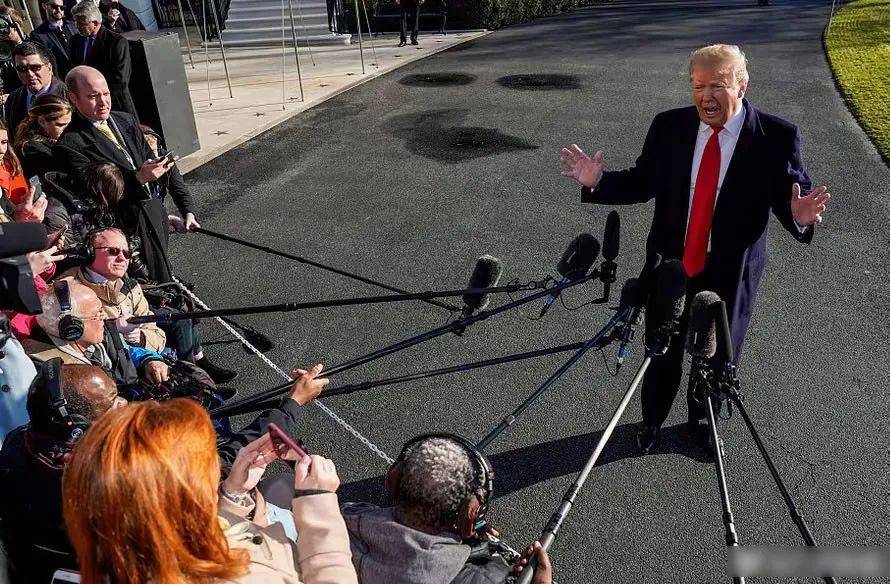
两大败笔产生!特朗普一筹莫展,只好拨通中国电话,已作重磅承诺
Sou Hu Cai Jing· 2025-09-21 01:55
Group 1 - The Trump administration is facing significant challenges both domestically and internationally, with internal staff changes and increasing skepticism from Congress contributing to a governance crisis [1] - Recent polls indicate a sharp decline in Trump's approval rating from 47% at the beginning of the year to 40%, highlighting a loss of support among key voter demographics [3] - European allies are expressing dissatisfaction with the administration's lack of concrete diplomatic plans, as evidenced by the failure to present a clear mediation strategy during closed-door meetings [4] Group 2 - The economic strategy of the Trump administration is in a deadlock, as attempts to stimulate the economy through aggressive interest rate cuts were met with only a modest 25 basis point adjustment from the Federal Reserve [6] - The recent involvement of the Treasury Secretary in a securities fraud investigation adds further uncertainty to an already precarious economic team [6] - A recent phone call between U.S. and Chinese leaders indicates a strategic shift, with Trump using language focused on maintaining world peace, suggesting a potential adjustment in U.S.-China relations [7] Group 3 - Experts suggest that the recent diplomatic gestures are more about crisis management than a fundamental policy shift, aiming to avoid unexpected conflicts in sensitive areas like the Taiwan Strait and South China Sea [8] - The administration's current approach reflects a recognition that negotiation may be more practical than confrontation as it faces dwindling leverage [8]