政坛重组

Search documents
国际观察丨高市早苗的三大危机与两大“赌注”
Xin Hua Wang· 2026-01-24 01:30
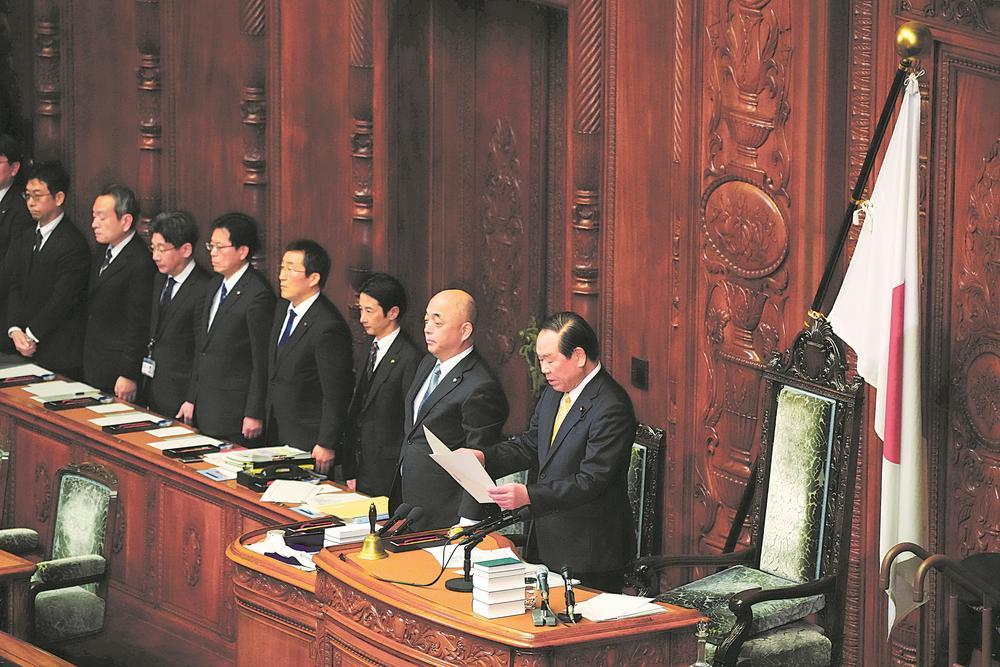
Core Viewpoint - The Japanese government, led by Prime Minister Sanae Takaichi, has dissolved the House of Representatives, marking the first time in 60 years that this has occurred on the opening day of a parliamentary session. This decision is seen as a political gamble amid three major crises facing Takaichi's administration, potentially reshaping Japan's political landscape and influencing its future direction [1][4]. Group 1: Three Major Crises - The first crisis is the instability of the ruling coalition, which holds a slim majority in the House of Representatives and is a minority in the House of Councillors. Takaichi's party, the Liberal Democratic Party (LDP), faces internal divisions and challenges from coalition partner Nippon Ishin no Kai [4]. - The second crisis involves personal scandals, including Takaichi's alleged connections with problematic religious groups and political funding issues, which could be exploited by opposition parties during parliamentary discussions [4]. - The third crisis is an unresolved economic predicament, as Takaichi's strategy of increasing government spending to combat high prices has not yielded significant results, leading to rising national debt and a depreciating yen [4]. Group 2: Two Major Bets - Takaichi's primary goal in the upcoming election is for the ruling coalition to secure a majority in the House of Representatives, with a secondary aim for the LDP to achieve a standalone majority. Recent polls suggest this goal is achievable [6]. - The sudden dissolution of the House of Representatives is a significant gamble, as it creates a short timeline of only 16 days until the election, the shortest since World War II. This unexpected move has caught many parties off guard, although the LDP, being the largest national party, is better positioned to field suitable candidates compared to opposition parties [6][7]. Group 3: Political Landscape Restructuring - In response to the dissolution, the largest opposition party, the Constitutional Democratic Party, has formed a new coalition with the former ruling partner Komeito, named the "Center Reform Alliance," to challenge Takaichi's administration. This coalition could significantly alter the electoral landscape, as previous opposition factions have been fragmented [8][10]. - Analysts suggest that the "Center Reform Alliance" may achieve a seat count comparable to the LDP, indicating a potential shift in political power dynamics. This new coalition reflects a broader restructuring of Japan's political scene [11][12]. - The emergence of this coalition may lead to a stronger centrist force in Japanese politics, contrasting with the right-wing LDP and Nippon Ishin no Kai, and could increase political volatility and uncertainty in the long term [12].

高市早苗开启“政治豪赌”
Xin Lang Cai Jing· 2026-01-23 18:53
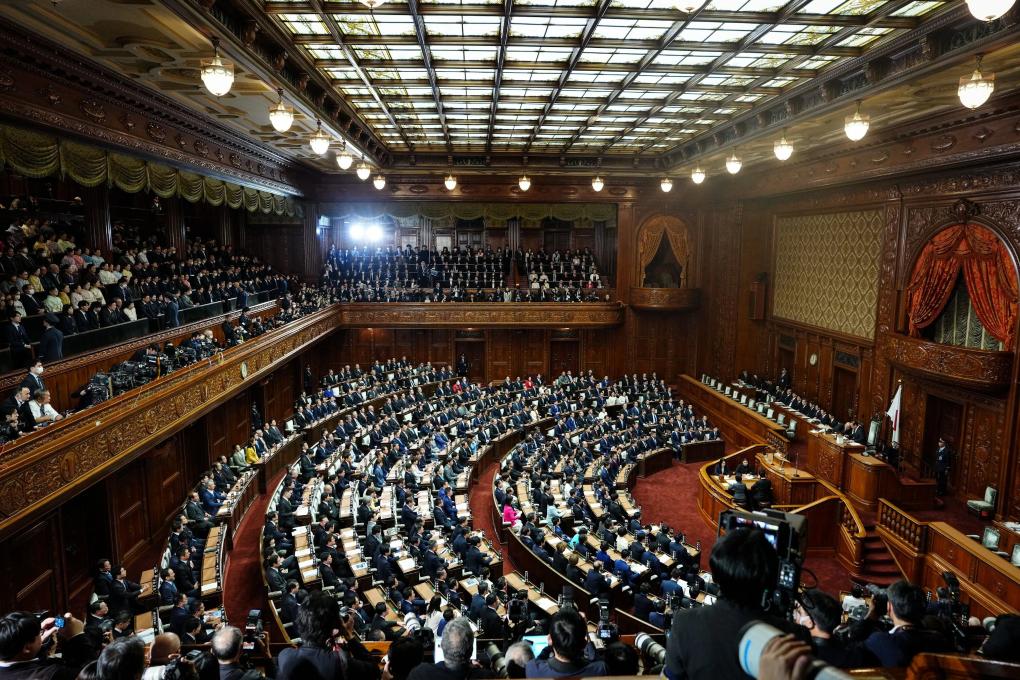
Core Viewpoint - The dissolution of Japan's House of Representatives by Prime Minister Kishi Nobuo on January 23 marks the first time in 60 years that the House was dissolved on the opening day of a regular session, leading to a snap election scheduled for February 8. This move is seen as a political gamble amid three major crises facing the government, potentially reshaping Japan's political landscape and influencing its future direction [2][3]. Group 1: Political Context - The decision to dissolve the House is perceived as a response to the unstable governing foundation, with the ruling coalition holding a slim majority in the House and being a minority in the Senate. Internal divisions within the ruling Liberal Democratic Party (LDP) and external pressures from opposition parties contribute to this instability [3]. - High-profile scandals involving Kishi, including connections to problematic religious groups and political funding issues, pose significant risks during parliamentary discussions, making the timing of the election critical [3]. - Economic challenges, including rising government debt and a depreciating yen, have led to ineffective responses to high inflation, further complicating Kishi's position [3][4]. Group 2: Election Strategy - The primary objective of the snap election is for the LDP to secure a majority in the House of Representatives. The sudden announcement of the election, with only 16 days between dissolution and voting, is a strategic gamble aimed at catching opposition parties off guard [5]. - Kishi's personal approval ratings are a key factor, but experts caution that individual popularity does not necessarily translate to party support, as evidenced by past elections where similar strategies led to losses for the LDP [5]. Group 3: Political Realignment - In response to the dissolution, the largest opposition party, the Constitutional Democratic Party, has formed a new coalition with the former ruling partner, Komeito, called the "Center Reform Alliance," which aims to challenge Kishi's government [6]. - Analysts suggest that without Komeito's support, many LDP candidates could face significant electoral challenges, as the new coalition may secure a comparable number of seats to the LDP, indicating a potential shift in the political balance [8]. - The formation of the new party signals a possible realignment in Japanese politics, with implications for future political dynamics, including the emergence of a "middle force" that could stabilize or disrupt the current political landscape [8].