扩产风险

Search documents
新富科技:毛利率下降,关联交易金额大、T公司依赖症
Xin Lang Cai Jing· 2026-01-30 04:32
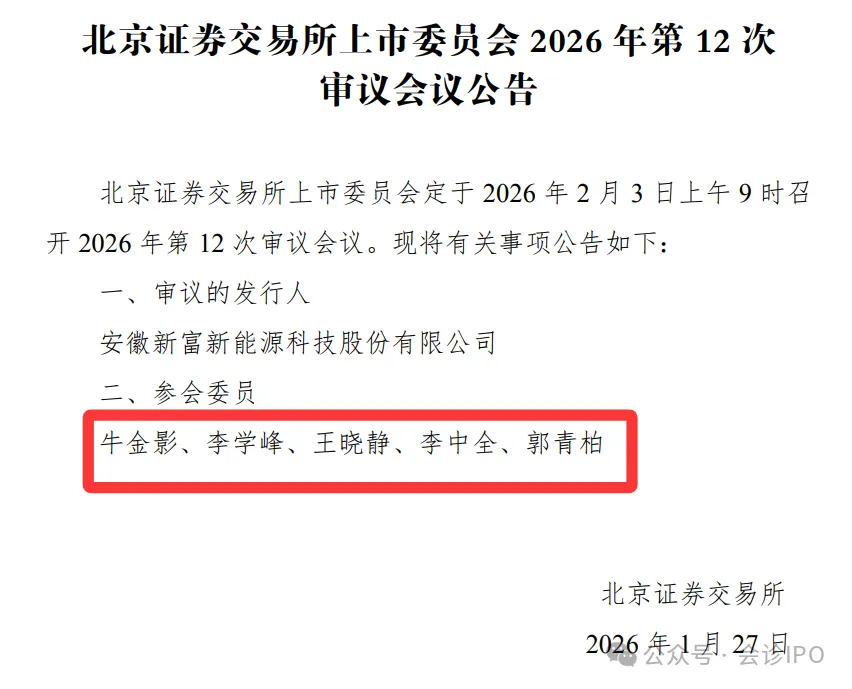
Group 1: Profit Margin Decline - The company's main business gross margin dropped sharply from 24.39% in 2022 to 13.44% in 2024, with the core product, battery liquid cooling plate, showing a gross margin of -14.01% in 2024, indicating losses with increased sales [2][19] - A significant portion of the 2024 net profit was attributed to accounting adjustments, particularly a surge in deferred tax assets by approximately 608.25%, raising concerns about reliance on financial engineering rather than operational improvements [19][20] - Regulatory bodies have demanded a quantitative analysis of various factors impacting gross margin, questioning whether the company is losing market share to competitors [20] Group 2: Related Party Transactions - The procurement amount from the actual controller's enterprise increased from 42.63 million to 94.37 million over three years, with an average annual growth rate exceeding 120%, outpacing the company's main business growth [20][21] - The acquisition of Dalian Huanxin for 113 million in 2022 raised questions about the fairness of the transaction price and potential profit transfer, becoming a focal point for regulatory scrutiny [3][20] - The company engaged in transactions with related parties that involved purchasing equipment and services at prices lower than external benchmarks, while selling wire products at higher margins than the company average, raising doubts about the commercial rationale [21][22] Group 3: Customer Dependency - The company's sales concentration among its top five customers increased from 77.92% to 90.08%, with a single customer, T Company, accounting for over 50% of sales, indicating a risky reliance on a limited customer base [6][23] - Regulatory authorities have requested a thorough investigation into the stability of customer relationships, particularly in light of nearly 60% of revenue coming from exports [24] Group 4: Control Structure and Governance - The actual controller, Pan Yixin, indirectly controls 61.83% of the voting rights through four partnership enterprises, raising concerns about governance independence and the protection of minority shareholders' interests [9][26] - The complex interrelations among controlling shareholders and partnerships diminish the company's governance independence, leading to potential conflicts of interest [27] Group 5: Capacity Utilization and Expansion Plans - The company's capacity utilization rates for battery liquid cooling pipes and plates declined in the first half of 2025, with decreases of 7.61% and 4.16% respectively compared to 2024, raising questions about the prudence of aggressive expansion plans [12][29] - Despite holding 258 million in cash by the end of 2024, the company plans to raise 463 million, with 409 million allocated for expansion, leading to skepticism about the necessity and rationale of such fundraising [30][31]

强一股份IPO:对神秘B公司业绩实际依赖超80%,关联交易迷雾重重
Sou Hu Cai Jing· 2025-07-08 07:36
Core Viewpoint - The article discusses the ongoing listing process of Qiangyi Semiconductor (Suzhou) Co., Ltd., highlighting issues such as heavy reliance on major clients and related party transactions that have delayed responses to inquiries from the Shanghai Stock Exchange [1][3]. Group 1: Client Dependency - Qiangyi Semiconductor is heavily dependent on a few major clients, with sales to its top five clients increasing significantly from 62.28% in 2022 to 81.31% in 2024 [3][5]. - The company's revenue from a mysterious client referred to as Company B has been substantial, with sales amounting to 22,403.09 million yuan in 2024, accounting for 34.93% of total sales [4][5]. - The reliance on Company B is even more pronounced when considering that the actual revenue from Company B-related services reached 52,487.55 million yuan in 2024, representing 81.84% of total revenue [6]. Group 2: Related Party Transactions - The controlling shareholder of Qiangyi Semiconductor, Zhou Ming, has connections to multiple companies, including a major supplier, which raises concerns about related party transactions [7][9]. - The company has been procuring products from a related party, Nanton Yuan Zhuyuan, which became its largest supplier shortly after its establishment in 2021, leading to questions about the transparency of these transactions [9][11]. Group 3: Expansion Challenges - Qiangyi Semiconductor plans to raise 1.5 billion yuan, with 1.2 billion yuan allocated for expanding its probe card production capacity, including advanced equipment [12]. - Despite the expansion plans, the company has faced challenges in sales, with a production and sales rate of around 80% for its main product, raising doubts about the necessity of such expansion [13]. - The company has a relatively high inventory level, with inventory turnover rates below industry averages, indicating potential issues with excess stock and cash flow [14][15].