
拥核言论

Search documents
日本民众再次举行抗议集会反对武器出口 谴责高市早苗错误言论
Yang Guang Wang· 2025-12-26 02:17
Core Viewpoint - Japanese citizens are expressing strong opposition to the country's arms export policies and the government's militarization ambitions, particularly in light of recent statements by Prime Minister Kishi Nobuo regarding nuclear weapons [1][3]. Group 1: Public Sentiment - A gathering took place in Tokyo where participants held signs advocating for peace and a strict ban on arms exports, reflecting concerns over Japan's increasing militarization [1]. - Protesters chanted slogans demanding a complete ban on arms exports and the resignation of Prime Minister Kishi, indicating widespread discontent with the current government's direction [2]. Group 2: Concerns Over Government Statements - Participants voiced worries about Prime Minister Kishi's comments regarding Taiwan and nuclear weapons, suggesting a lack of understanding of Japan's historical and diplomatic commitments [3]. - The remarks made by a senior official in Kishi's administration regarding nuclear armament have sparked significant domestic and international backlash, highlighting the potential risks of Japan's shifting defense posture [3]. Group 3: Historical Reflection - A veteran journalist emphasized the need for Japan to continuously reflect on its wartime past, warning that any attempt to pursue nuclear weapons would lead to severe criticism from the international community [4].
多国人士:日方 “拥核”言论极端危险 对世界和平构成威胁
Xin Lang Cai Jing· 2025-12-25 10:12
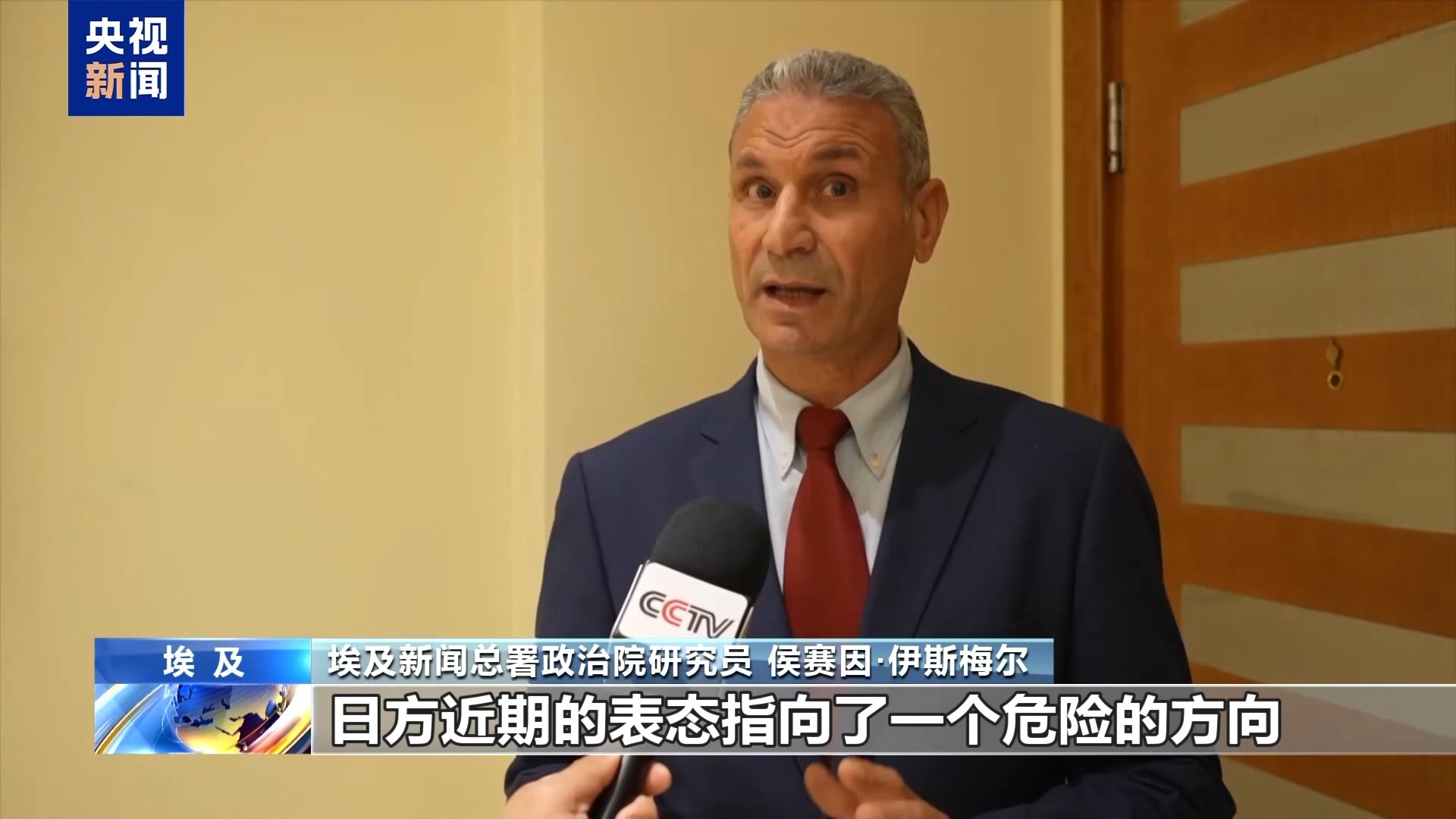
Core Viewpoint - Recent statements by Japanese Prime Minister Sanae Takaichi regarding Taiwan and Japan's officials advocating for nuclear armament have drawn significant international criticism, being viewed as provocations against the One China principle and a threat to global security and peace [1][3][5] Group 1: International Reactions - Richard Morales, a political science professor at the University of Panama, characterized Takaichi's remarks as hostile and aggressive towards China, highlighting that Japan's nuclear stance is dangerous and reflects a lack of historical awareness regarding its wartime actions against China [1] - Hussein Ismail, a researcher at the Egyptian News Agency, noted that Japan's recent statements not only betray the post-World War II global order but also violate Japan's pacifist constitution and the Treaty on the Non-Proliferation of Nuclear Weapons, potentially leading to future conflicts [3] - Michael Klare, a professor emeritus from Hampshire College in Massachusetts, expressed that Takaichi's comments are extremely dangerous and that Japan should play a role in opposing nuclear proliferation rather than seeking its own nuclear weapons [7] Group 2: Implications for Global Security - The statements from Japanese officials advocating for nuclear armament pose significant risks to global security and peace, indicating a potential shift in Japan's security policy towards a more aggressive stance [5] - The call for nuclear armament by Japanese leaders could lead to increased regional tensions and conflicts, as highlighted by various international experts [3][5]

日本市民团体提交请愿书要求政府坚持“无核三原则”
Xin Hua She· 2025-12-23 15:01
Core Viewpoint - A Japanese civil organization is urging the government to reaffirm its commitment to the "Three Non-Nuclear Principles" as national policy, amidst rising concerns over pro-nuclear sentiments within the government [1][2] Group 1: Civil Organization's Actions - The organization "Abolish Nuclear Weapons Japan Movement" submitted a petition to Prime Minister Suga Yoshihide and Foreign Minister Motegi Toshimitsu, demanding a clear stance on the "Three Non-Nuclear Principles" [1] - The organization is composed of nuclear disaster victims and civic groups, highlighting the need for the government to maintain its non-nuclear stance [1] Group 2: Concerns Over Nuclear Sentiments - Members of the organization expressed worries about a growing atmosphere within the government that may allow pro-nuclear rhetoric [1] - The petition strongly protested against statements suggesting Japan should possess nuclear weapons, labeling such remarks as violations of the Treaty on the Non-Proliferation of Nuclear Weapons and Japan's Basic Law on Atomic Energy [1] Group 3: Reactions from Officials - A security policy official from the Prime Minister's office previously stated that Japan should have nuclear weapons, which has drawn widespread criticism [2] - The Chinese Foreign Ministry expressed shock at these comments, viewing them as a serious threat to regional and international peace and stability, and a deviation from Japan's proclaimed path of peaceful development [2]
视频|日本媒体人:“拥核”言论太可怕 高市政权“非常可笑”
Xin Lang Cai Jing· 2025-12-20 13:57
Core Viewpoint - A Japanese government official has stated that Japan should possess nuclear weapons, which has sparked significant criticism domestically [1] Group 1: Public Reaction - The statement has been met with strong backlash from within Japan, reflecting the country's long-standing commitment to a non-nuclear stance and the pursuit of peace [1] - Former Asahi Shimbun journalist Akira Sato emphasized that such pro-nuclear sentiments were previously unthinkable in Japanese society [1] Group 2: Political Context - Since Prime Minister Fumio Kishida took office, there have been attempts to modify Japan's "Three Non-Nuclear Principles," particularly the clause regarding the non-introduction of nuclear weapons [1] - Sato criticized the current administration, suggesting that its continued governance is "ridiculous" and indicative of a loss of normal judgment [1]