换电服务标准化

Search documents
电池翻倍完成!15000+块电池如何护航春运出行?
Xin Lang Cai Jing· 2026-02-05 06:59
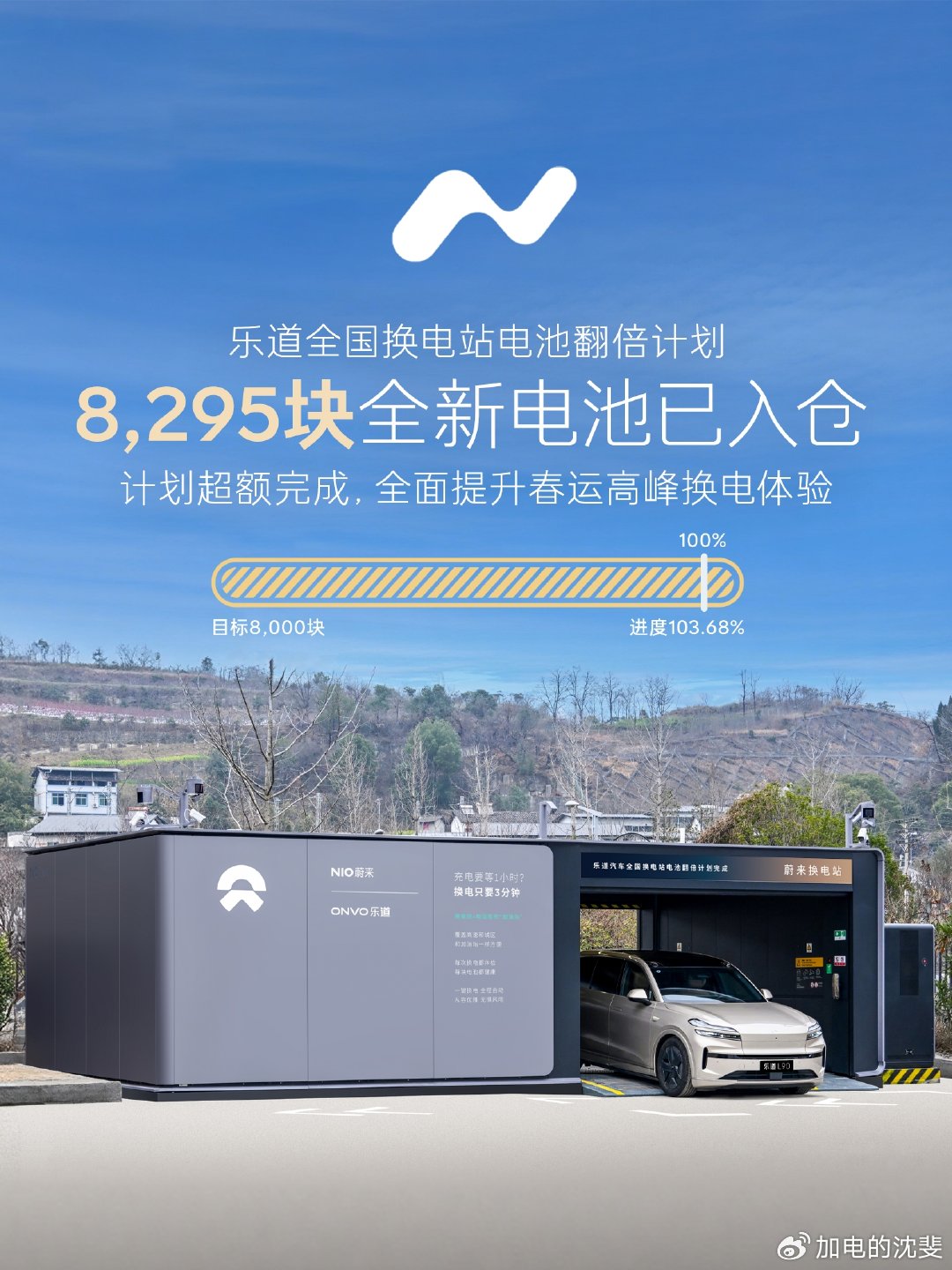
Core Insights - The company has successfully completed its battery doubling plan, adding 8,295 new batteries, bringing the total to over 15,000 batteries across more than 2,300 battery swap stations, with an average of 6-7 batteries per station [1][20] - The battery doubling plan aims to enhance service capacity during the peak travel season, ensuring efficient battery swapping for users [1][5] Battery Operations Management - The increase in battery count is essential to meet the growing user base and the number of swap stations, maintaining a dynamic balance between supply and demand [3][24] - The network can provide approximately 55,000 battery swaps per day, translating to about 1,045,000 swaps during the 19-day peak travel period, allowing each user to swap batteries roughly 8 times [5][26] User Experience Enhancement - Users can check real-time battery availability at each station via mobile, ensuring transparency and efficient management of battery resources [6][27] - The increase in battery availability not only improves the number of swaps but also enhances user experience by reducing wait times and increasing flexibility in choosing swap stations [11][32] System Efficiency - The battery swap network operates on the NIO Power Cloud, which utilizes real-time data and predictive models to optimize battery distribution across stations [9][30] - The system can dynamically adjust battery supplies based on regional demand and seasonal factors, ensuring a balanced distribution [9][30] Standardization and Reliability - Battery swapping offers a standardized and reliable charging experience, significantly reducing user wait times and enhancing the overall convenience compared to traditional charging methods [15][36] - The process allows users to remain in their vehicles during swaps, providing comfort and safety regardless of external conditions [15][36] Infrastructure Expansion - The company has established a comprehensive charging infrastructure, with plans to expand its battery swap network to over 1,000 districts and complete key long-distance routes by 2026 [17][38] - This expansion aims to facilitate long-distance travel for electric vehicle users, ensuring they can access charging facilities similar to traditional fuel vehicles [17][38]