放养模式

Search documents
山东饲料巨头拟一口气吃下7家养殖公司,科学布局还是命运“赌局”
Mei Ri Jing Ji Xin Wen· 2025-07-22 11:38
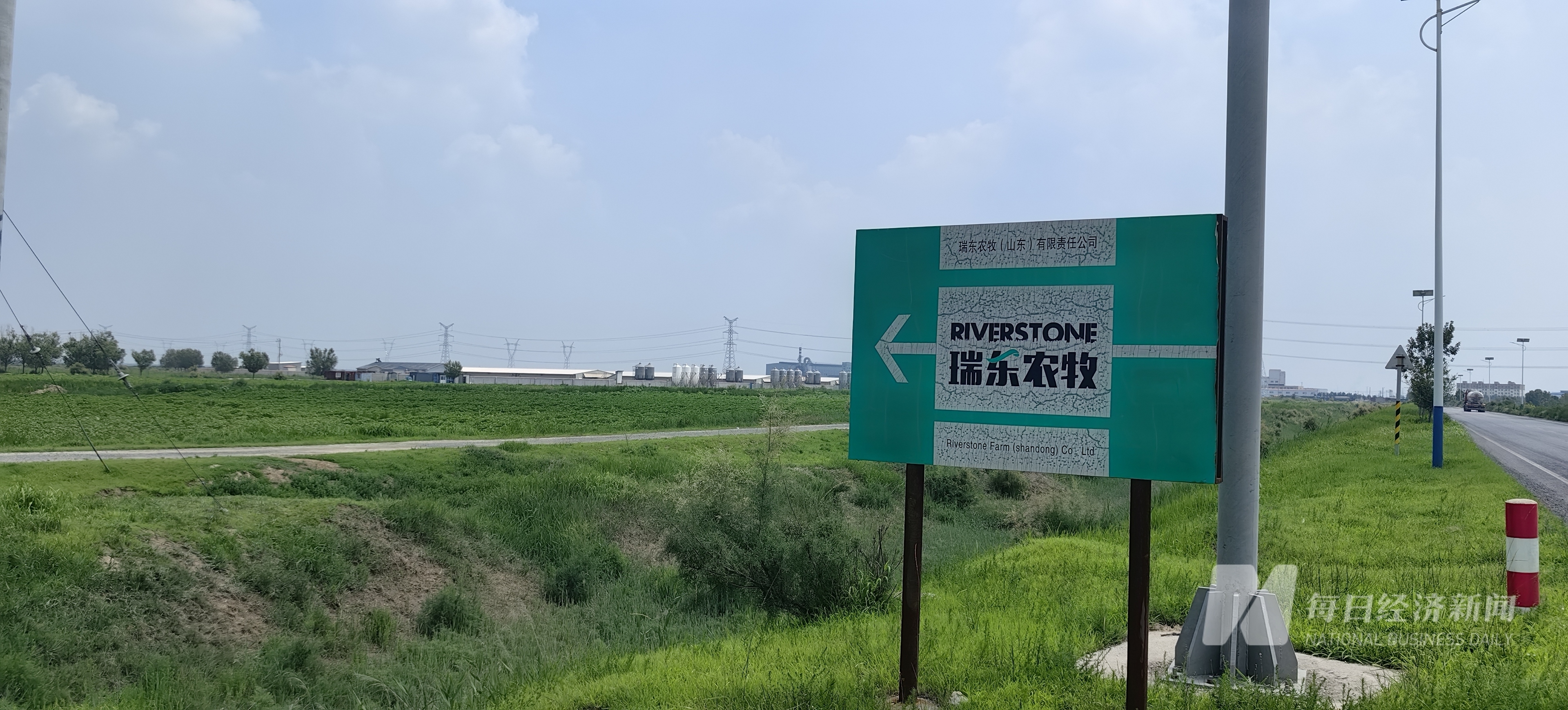
Core Viewpoint - The acquisition of Riverstone Farm Pte.Ltd. by Bangji Technology aims to create a closed-loop supply chain in the feed and pig farming industry, potentially reducing feed costs for farmers while navigating the cyclical nature of the pig industry [1][5][20]. Group 1: Acquisition Details - Bangji Technology plans to acquire 100% equity of six agricultural companies under Riverstone, including Riverstone Agriculture, for a total consideration expected to exceed 600 million yuan [5][6]. - The acquisition is seen as a strategic move to transition from a pure feed production company to an integrated feed and pig farming enterprise, enhancing upstream and downstream collaboration [14][20]. - The deal is anticipated to significantly lower feed costs for farmers, with estimates suggesting a reduction of 80 yuan per pig [20][23]. Group 2: Industry Context - The feed industry is currently facing challenges, with a reported 14.1% decline in pig feed production in Shandong, dropping to 9.66 million tons in 2024 [15]. - The pig farming sector in Shandong has been impacted by African swine fever, leading to significant losses in breeding stock and prompting a shift towards external piglet sourcing [9][10]. - The trend towards a "platform + breeding team + family pig farm" model is gaining traction, indicating a shift in the industry towards more integrated and sustainable practices [18][20]. Group 3: Market Dynamics - The acquisition reflects a broader trend in the industry where companies are seeking to control the entire supply chain to mitigate risks associated with market volatility and cyclical downturns [20][23]. - The competitive landscape is intensifying, with many companies, including Haida Group and New Hope, also pursuing similar strategies to enhance their market position [20][24]. - The potential for a price war in 2025 due to increased production capacity poses a risk to profitability, highlighting the cyclical nature of the pig farming industry [23][24].