
政治豪赌

Search documents
日本自民党获过半议席,高市早苗将继续执政
Mei Ri Jing Ji Xin Wen· 2026-02-09 04:38
Core Viewpoint - The ruling coalition of the Liberal Democratic Party (LDP) and the Japan Innovation Party has secured a majority in the Japanese House of Representatives elections held on February 8, allowing Prime Minister Kishi Sanae to continue in office [1][3]. Election Results - The election saw 1,284 candidates participating, with the LDP winning 316 seats and the Japan Innovation Party securing 36 seats [3]. - The opposition parties, including the Constitutional Democratic Party and the Komeito Party, formed a new party called the "Center Reform Coalition," which won 49 seats. Other parties like the Democratic Party for the People and the Communist Party received 28 and 4 seats, respectively [3]. Political Context - The House of Representatives has a statutory term of four years, but Kishi Sanae pushed for an early dissolution on January 23, just 1 year and 3 months after the last election [5]. - Analysts suggest that Kishi's decision to dissolve the House was a political gamble aimed at consolidating power and avoiding risks [6][8]. Strategic Objectives - Kishi aims to secure a stable majority to facilitate the passage of her more radical policy proposals, which may face significant opposition in the current political landscape [8]. - The early election is also seen as a strategy to mitigate upcoming political and economic risks, including potential financial instability due to previous budgetary policies [8]. Public Opinion - A national poll conducted on January 17-18 revealed that 50% of respondents opposed Kishi's decision to dissolve the House, while only 36% supported it [10]. - Opposition party leaders criticized Kishi for prioritizing party interests over national interests, labeling the dissolution as unjustifiable [10][12][14][16].

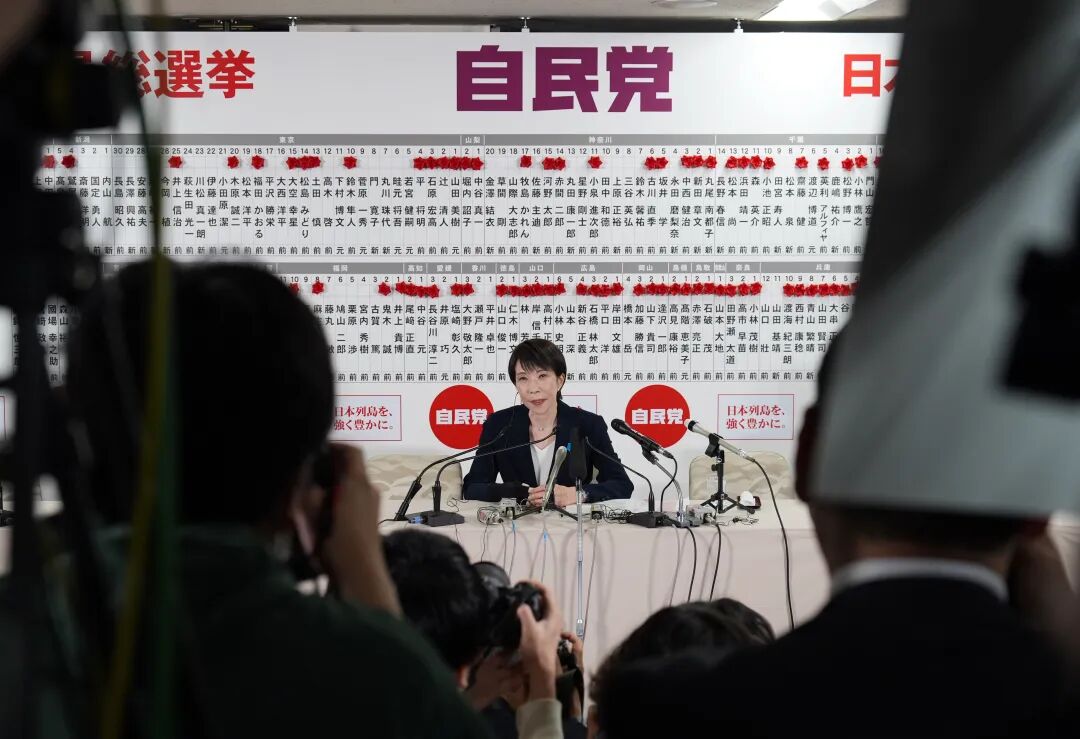
高市早苗将继续执政!她凭什么赢了这场“政治豪赌”?评论员拆解五大原因
Xin Lang Cai Jing· 2026-02-08 16:28
Core Viewpoint - The political gamble by Kishi Sanae succeeded due to a combination of factors including a snap election, economic policies, personal branding, social media engagement, and support from Trump [1] Group 1: Election Dynamics - The ruling coalition of the Liberal Democratic Party and the Japan Innovation Party is projected to secure a majority in the House of Representatives elections [1] - The snap election disrupted the political landscape, allowing Kishi to capitalize on the situation [1] Group 2: Economic Policies - Economic welfare policies played a significant role in attracting voter support [1] Group 3: Personal Branding and Media Strategy - Kishi Sanae effectively marketed her personal image to resonate with the electorate [1] - The use of social media was instrumental in building her campaign presence and engaging with voters [1] Group 4: External Support - The endorsement from Trump provided additional momentum and credibility to Kishi's campaign [1]
陈冰:高市早苗“政治豪赌”能够得逞的五大关键因素
Xin Lang Cai Jing· 2026-02-08 15:29
Core Viewpoint - The recent Japanese election results indicate a significant victory for the ruling Liberal Democratic Party (LDP) and the Japan Innovation Party, with implications for political stability and policy direction in Japan, particularly in foreign relations with China and the United States [1][2]. Group 1: Election Results and Implications - The ruling coalition of the LDP and the Japan Innovation Party has secured 273 seats, with expectations to surpass the critical threshold of 310 seats in the House of Representatives [1][2]. - Four key seat thresholds are identified: 233 for government continuity, 243 for a stable majority, 261 for an absolute stable majority, and 310 for constitutional amendment capabilities [1]. Group 2: Political Strategy and Leadership - The term "political gamble" is used to describe the election strategy, where leaders seek voter support to legitimize their policies amid challenges [5]. - High-profile political figures, such as former UK Prime Minister Theresa May, illustrate the risks of early elections, contrasting with the successful gamble of Prime Minister Kishi, who capitalized on unexpected timing and popular policies [6]. Group 3: Policy Focus and Challenges - High's policies, including a $135 billion economic stimulus and a two-year suspension of an 8% consumption tax on food, have garnered public support but face criticism for lack of detail and practicality [7][9]. - Key challenges for the new administration include stagnant wages, a weak yen, and rising living costs, which may quickly diminish the initial electoral victory's momentum [9]. Group 4: Foreign Relations Outlook - The election outcome may provide an opportunity for High to improve relations with China, as Japan's economy is closely tied to China's supply chain [10]. - In contrast, relations with the U.S. may strengthen, particularly in military cooperation, as High aims to enhance Japan's defense capabilities and constitutional amendments regarding the Self-Defense Forces [10][11]. - The future of Japan-China relations will hinge on High's approach to Taiwan, with potential for improvement or deterioration based on her stance on Taiwan-related issues [11].

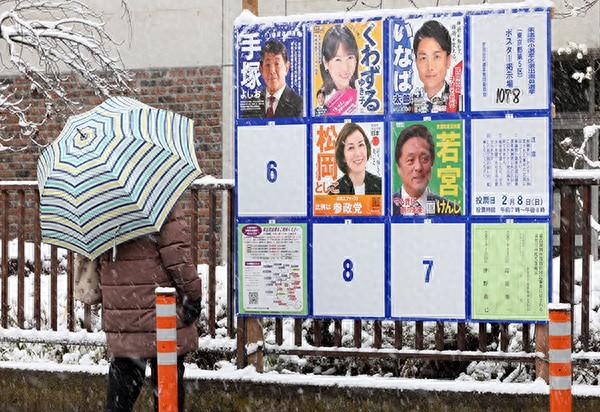
日本在创纪录暴雪下迎来大选,重重因素增添不确定性
Xin Lang Cai Jing· 2026-02-08 11:21
Core Viewpoint - Japan is holding a rare winter election amid record snowfall, with the ruling coalition led by Prime Minister Sanae Takaichi aiming to secure a majority in the House of Representatives [1][8]. Group 1: Election Context - The election is Japan's second early dissolution of the House of Representatives in two years and the third national election held in February since World War II [1]. - A total of 1,284 candidates are competing for 465 seats in the House of Representatives, with the ruling coalition's ability to secure a majority being a focal point of public interest [1][3]. Group 2: Voter Turnout and Impact - As of 4 PM local time, the national voter turnout was 21.64%, a decrease of 2.65% compared to the last election [3]. - Early voting saw a significant increase, with 27,017,098 people participating, marking a rise of over 6.06 million compared to previous elections, setting a historical record [3]. Group 3: Political Dynamics - Polls indicate that the ruling coalition could win over 300 seats, a significant increase from the current 233 seats [3]. - If the coalition secures 310 seats, Takaichi could leverage an "absolute majority" to overturn decisions made by the House of Councillors, where the coalition currently lacks a majority [3]. Group 4: Challenges and Criticism - The election timing has been criticized by opposition parties, who argue it delays anti-inflation measures and adds administrative burdens to local governments [8]. - Takaichi's policies, which include increased public spending and tax cuts, have been described as vague, raising concerns about their effectiveness in addressing Japan's economic challenges [8][9]. Group 5: Public Sentiment and Concerns - Takaichi's popularity among younger voters is notable, with over 90% support from those under 30, although the overall voting intention among this demographic remains uncertain [6][8]. - Concerns about Takaichi's hardline stance on defense and relations with China have emerged, with some voters expressing anxiety over potential military expenditures and conflicts [9][10].
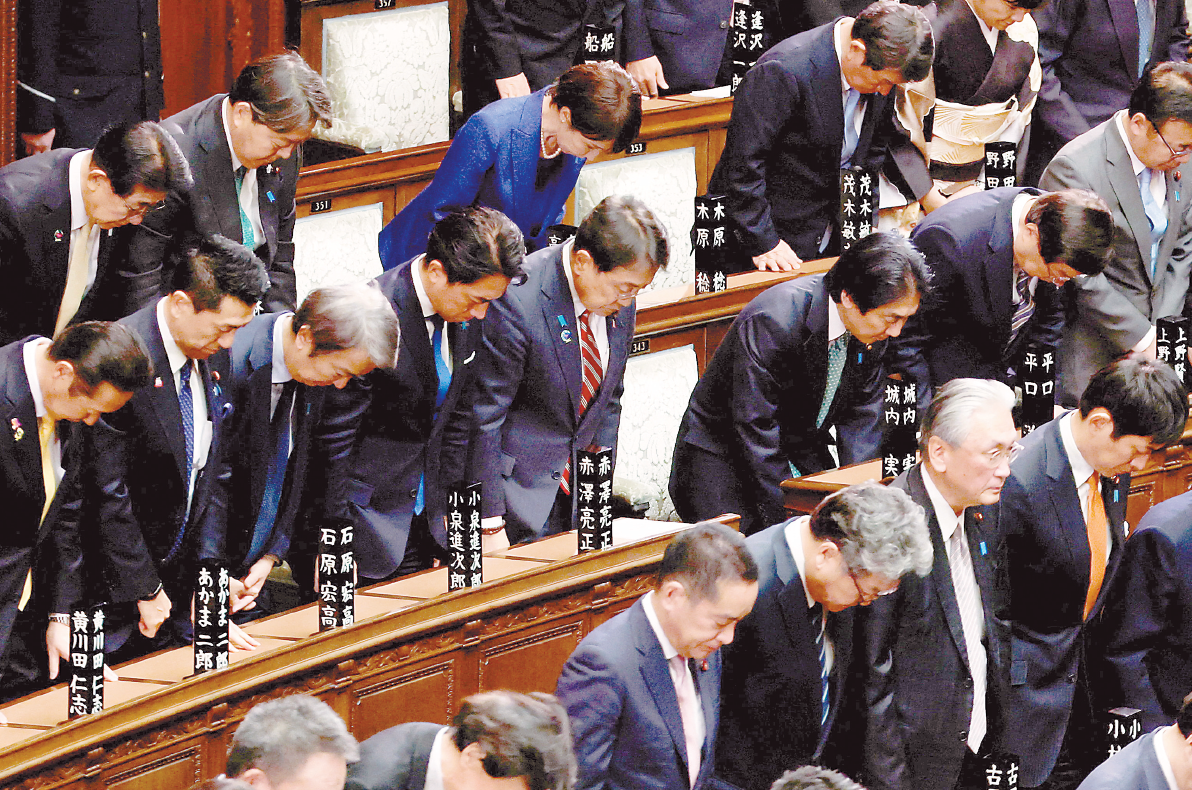
高市早苗选择“政治豪赌”,在野政党痛批“没有大义”,日本迎来“最匆忙”大选
Huan Qiu Shi Bao· 2026-01-23 22:44
Core Viewpoint - The Japanese Prime Minister Fumio Kishida's decision to dissolve the House of Representatives on the opening day of the Diet session is seen as a high-risk political gamble aimed at capitalizing on the current high approval ratings to secure more seats in the upcoming election, which is scheduled for February 8, 2024, just 16 days after the dissolution [1][4][8]. Group 1: Political Context - This dissolution marks the first time in 60 years that the House of Representatives has been dissolved on the opening day of a Diet session, and it creates a record for the shortest interval between dissolution and election since World War II [1]. - The current House of Representatives has 465 seats, and the ruling coalition, after a recent shift in alliances, barely holds a majority with 233 seats [4][8]. - The opposition parties have criticized the dissolution as a self-serving political maneuver that prioritizes party interests over the public's needs [1][6]. Group 2: Election Implications - The upcoming election is expected to significantly impact Japan's future domestic and foreign policies, with the ruling party aiming to solidify its power amid rising public concerns over economic issues and international relations [1][8]. - The newly formed "Center Reform Coalition" by the major opposition parties aims to challenge the ruling coalition, focusing on issues like reducing the food consumption tax and addressing political corruption [9][10]. - Key campaign issues will include economic policies, foreign relations, and defense strategies, with the ruling coalition emphasizing stricter regulations on foreign land purchases and increased defense spending [9][10]. Group 3: Public Sentiment - Public opinion appears divided, with some citizens questioning the rationale behind the dissolution and expressing concerns over rising living costs and economic stability [7][8]. - Criticism from within the political sphere highlights fears that frequent elections may detract from addressing long-term issues such as population decline and economic challenges [5][6].
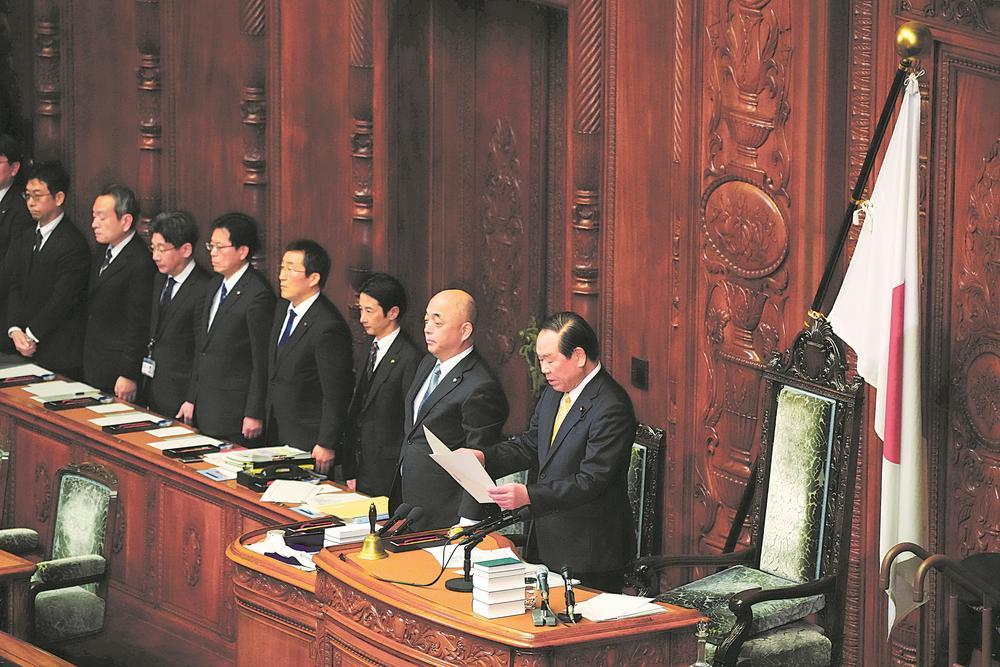
高市早苗开启“政治豪赌”
Xin Lang Cai Jing· 2026-01-23 18:53
Core Viewpoint - The dissolution of Japan's House of Representatives by Prime Minister Kishi Nobuo on January 23 marks the first time in 60 years that the House was dissolved on the opening day of a regular session, leading to a snap election scheduled for February 8. This move is seen as a political gamble amid three major crises facing the government, potentially reshaping Japan's political landscape and influencing its future direction [2][3]. Group 1: Political Context - The decision to dissolve the House is perceived as a response to the unstable governing foundation, with the ruling coalition holding a slim majority in the House and being a minority in the Senate. Internal divisions within the ruling Liberal Democratic Party (LDP) and external pressures from opposition parties contribute to this instability [3]. - High-profile scandals involving Kishi, including connections to problematic religious groups and political funding issues, pose significant risks during parliamentary discussions, making the timing of the election critical [3]. - Economic challenges, including rising government debt and a depreciating yen, have led to ineffective responses to high inflation, further complicating Kishi's position [3][4]. Group 2: Election Strategy - The primary objective of the snap election is for the LDP to secure a majority in the House of Representatives. The sudden announcement of the election, with only 16 days between dissolution and voting, is a strategic gamble aimed at catching opposition parties off guard [5]. - Kishi's personal approval ratings are a key factor, but experts caution that individual popularity does not necessarily translate to party support, as evidenced by past elections where similar strategies led to losses for the LDP [5]. Group 3: Political Realignment - In response to the dissolution, the largest opposition party, the Constitutional Democratic Party, has formed a new coalition with the former ruling partner, Komeito, called the "Center Reform Alliance," which aims to challenge Kishi's government [6]. - Analysts suggest that without Komeito's support, many LDP candidates could face significant electoral challenges, as the new coalition may secure a comparable number of seats to the LDP, indicating a potential shift in the political balance [8]. - The formation of the new party signals a possible realignment in Japanese politics, with implications for future political dynamics, including the emergence of a "middle force" that could stabilize or disrupt the current political landscape [8].
赌上首相宝座!高市解散众院开启政坛洗牌,会下台吗?
Zhong Guo Xin Wen Wang· 2026-01-23 05:54
Group 1 - The Japanese Prime Minister, Suga Yoshihide, has dissolved the House of Representatives, initiating a rapid election cycle with results expected on February 8, 2023, which is seen as a risky political gamble [1][2] - The election is characterized by a short timeline, with only 16 days between the dissolution and voting, reflecting Suga's strategy for a swift resolution [2] - The opposition parties, including the Constitutional Democratic Party and the Komeito Party, have merged to form a new party called the "Center Reform Alliance," which is interpreted as a formal opposition alliance against Suga [2][7] Group 2 - Suga aims to achieve three main objectives through this election: securing a majority for the Liberal Democratic Party (LDP), consolidating his power within the party, and avoiding accountability from opposition parties [3] - The LDP currently holds 199 seats in the House of Representatives and needs to gain at least 34 more seats to achieve a majority, with factors such as high public support for Suga and the disarray among opposition parties potentially aiding this goal [4] - However, challenges include the withdrawal of the Komeito Party from the coalition, which may jeopardize the LDP's electoral prospects, as well as issues like delayed budgets and internal party conflicts [4][5] Group 3 - The upcoming election is expected to reshape the political landscape in Japan, with potential internal power shifts within the LDP depending on the election outcome [5][6] - The new "Center Reform Alliance" could consolidate 172 seats in the House of Representatives, providing a significant counterbalance to the ruling coalition and appealing to voters dissatisfied with Suga's policies [7] - The success or failure of this new party could influence the future of Japan's political dynamics, either promoting a two-party system or leading to further fragmentation among opposition forces [7]
赌上首相宝座!高市解散众院开启政坛洗牌,会下台吗? | 国际识局
Zhong Guo Xin Wen Wang· 2026-01-23 05:10
Core Viewpoint - The dissolution of the House of Representatives by Prime Minister Suga Yoshihide marks a significant political gamble, with the election results expected on February 8, 2023, amidst internal party pressures and potential risks to his leadership [1][4]. Group 1: Election Strategy and Implications - The election announcement will occur on January 27, with voting on February 8, indicating a rapid electoral strategy aimed at decisive outcomes [4]. - Suga describes the dissolution as a decision that risks his political career, suggesting that a loss could lead to his resignation [4]. - The formation of a new party, the "Center Reform Alliance," by the largest opposition party and a former coalition partner, is seen as a direct challenge to Suga's leadership [4][10]. Group 2: Political Risks and Challenges - Critics argue that Suga's decision to dissolve the House is an attempt to evade accountability and prioritize personal and party interests over national concerns [5]. - The opposition is expected to mobilize against Suga, leveraging public dissatisfaction with his economic policies [5][11]. - The current political landscape shows that the ruling Liberal Democratic Party (LDP) holds 199 seats and needs to gain at least 34 more to secure a majority, facing challenges from the newly formed opposition alliance [7]. Group 3: Internal Party Dynamics - Suga's unilateral decision has caused discontent among party elites, potentially leading to increased internal divisions and challenges to his authority [8][9]. - The relationship between the LDP and the newly formed opposition party may intensify, with potential competition in key electoral districts [8]. - The outcome of the election could lead to a significant reshuffling of power within the LDP, affecting its future policy direction [9]. Group 4: Future Political Landscape - The election results are anticipated to reshape Japan's political landscape for years to come, with implications for governance and policy-making [8][10]. - The success or failure of the new opposition party could either consolidate or further fragment the opposition, influencing the potential for political change in Japan [11].
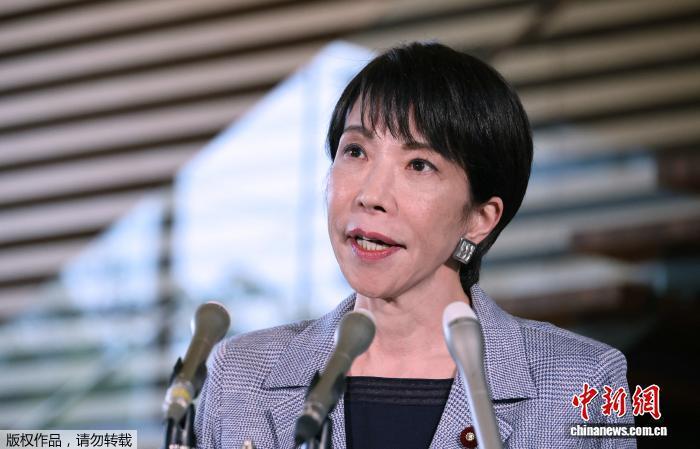
日本大选开启,高市可能下台吗?
Xin Lang Cai Jing· 2026-01-23 04:39
Group 1 - The core viewpoint of the article is that Prime Minister Sanna Takashi's decision to dissolve the House of Representatives is a risky political gamble, facing significant internal party pressure and potential consequences if the election results are unfavorable [1][4][13] - The election schedule indicates a rapid transition from dissolution to voting, with only 16 days in between, reflecting the government's intention for a swift resolution [4][16] - The establishment of the new party "Center Reform Alliance" by the largest opposition party, the Constitutional Democratic Party, and the former coalition partner Komeito is seen as a formal opposition alliance against Takashi [4][10][16] Group 2 - Takashi's political gamble aims to achieve three objectives: securing a majority for the Liberal Democratic Party (LDP), consolidating her power within the party, and avoiding accountability from opposition parties [7][20] - The LDP currently holds 199 seats in the House of Representatives and needs to gain at least 34 more to achieve a majority, with factors such as high public support and the rightward shift in societal thought being advantageous, while the exit of Komeito poses a significant challenge [8][20] - The upcoming election is expected to reshape the political landscape in Japan, with potential internal power shifts within the LDP and the emergence of the new opposition party posing a significant variable in the election outcome [11][24]

发起“超短期决战”,高市早苗为何赌上政治生命?
Xin Lang Cai Jing· 2026-01-23 04:27
Core Viewpoint - Japanese Prime Minister Sanna Takashi's decision to dissolve the House of Representatives is seen as a "political gamble" aimed at strengthening her party's position ahead of the upcoming elections, with significant implications for her political future and the governance of Japan [1][2][3]. Group 1: Political Strategy and Implications - The dissolution of the House of Representatives will lead to elections on February 8, marking the shortest interval between dissolution and voting since World War II, which is referred to as a "super short-term battle" [1]. - Takashi has staked her political career on this election, stating that if her party, the Liberal Democratic Party (LDP), and the Japan Innovation Party secure a majority, she will continue as Prime Minister; otherwise, her leadership will be challenged [1]. - The current political landscape shows that the LDP does not hold a majority in the House, prompting Takashi to leverage her personal popularity to gain more seats and solidify her party's governance base [1][2]. Group 2: Opposition and Public Sentiment - There is significant criticism from opposition parties regarding Takashi's decision, with claims that she prioritizes party interests over national concerns, particularly in light of pressing issues like rising living costs [3]. - A poll by Asahi Shimbun indicates that 50% of the Japanese public opposes the dissolution at this time, primarily due to concerns about delays in addressing high prices and the approval of the fiscal budget [3]. - The decision to dissolve was made without prior consultation with senior members of the LDP, indicating a highly personal political decision that has raised concerns about potential backlash within the party [2][3]. Group 3: Opposition Coalition and Political Dynamics - The Constitutional Democratic Party and Komeito have formed a new political entity called the "Center Reform Alliance," aiming to position themselves as the main opposition party against the ruling coalition [5]. - This new coalition seeks to shift the political focus from ideological battles to governance capabilities and social welfare issues, advocating for economic policies that prioritize citizens' needs [5]. - Analysts suggest that while the coalition may have the potential to mobilize votes, the differing policy positions between the parties could hinder their effectiveness in gaining broader public support [5].