故乡与文学

Search documents
知名作家共聚“文学跨年” 重温文学故乡分享文学生活
Xin Lang Cai Jing· 2026-01-02 13:18
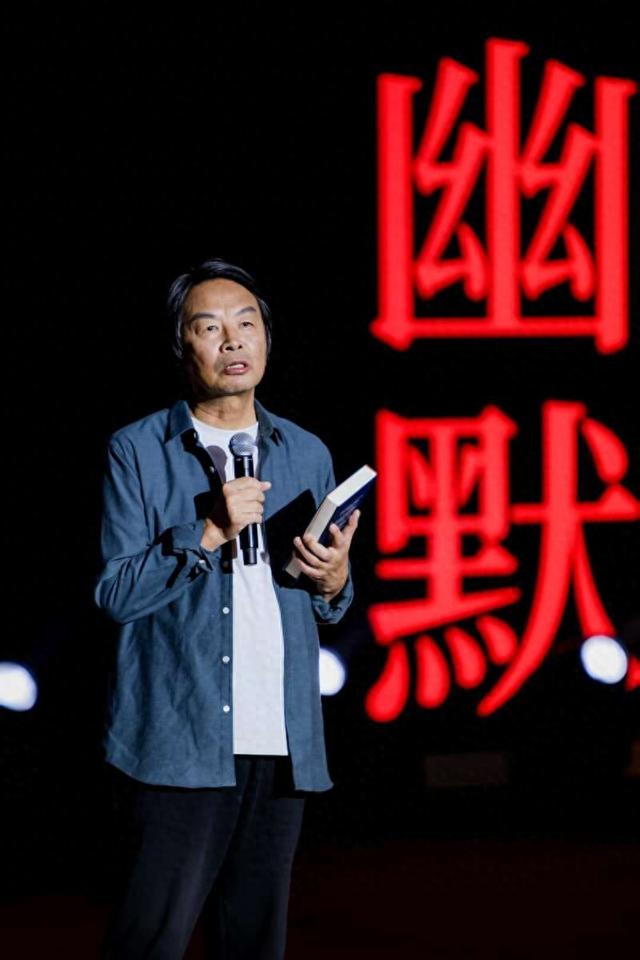
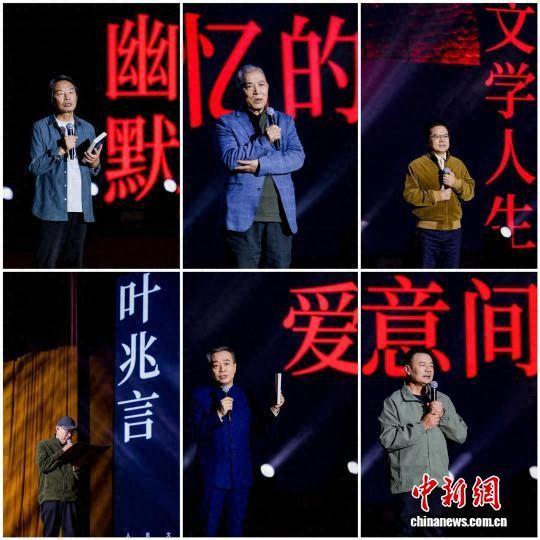
Core Viewpoint - The "Literature·China" New Year's Eve Gala, organized by the People's Literature Publishing House, has become a unique cultural event over the past five years, showcasing the relationship between literature and personal experiences of various authors [1][3]. Group 1: Event Overview - The event took place on December 31, 2025, at the China International Publishing Exchange Center in Beijing [1]. - It featured five chapters: "My Literary Hometown," "My Literary Passion," "My Literary Life," "My Literary Idol," and "My Literary Journey" [1]. Group 2: Author Contributions - Liu Zhenyun discussed the relationship between hometown and literary humor in his new work "Salty Jokes," emphasizing that true humor comes from details and shared human experiences [3]. - Liang Shao shared his deep emotional connection to his hometown in Northeast China, highlighting its unique cultural landscape as a source of inspiration [3]. - Chen Yan described his hometown as a layered map, with various geographical and historical influences shaping his creative foundation [3]. - Ye Zhaoyan examined the Qinhuai literary lineage within the broader context of Chinese literature, stressing the importance of innovation built on past foundations [3]. Group 3: Cultural Reflections - Feng Jicai reflected on Tianjin's cultural atmosphere, which has shaped his literary style, contrasting the stories of "old city" life with the experiences of living in a "concession" [4]. - Jia Pingwa noted that his writing career began with his hometown, emphasizing the importance of local experiences in his storytelling [4]. - Kang Zhen and Wen Zheng explored how literature responds to life's challenges, using Su Dongpo and Dante as examples of resilience and self-confidence [4][6]. Group 4: Everyday Inspirations - "Takeout Poet" Wang Jibing shared his 37-year writing journey, while "Market Writer" Chen Hui discussed capturing stories from daily life at her vegetable stall [6]. - Ma Huijuan, a "thumb writer" from Ningxia, expressed how literature can create miracles and empower personal expression [6]. Group 5: Cross-Disciplinary Insights - Musician Hu Haiquan reflected on the interplay between literature and music, emphasizing the importance of conveying thoughts through both mediums [6]. - Actor Zhang Jiayi recounted his experience in "White Deer Plain," describing it as a spiritual homecoming [6]. Group 6: Emerging Voices - Young authors shared their dreams and commitments, with Ge Liang focusing on stories about artisans, and Shi Yifeng expressing pride in creating unprecedented characters [8].

文学跨年,这些名作家这样谈故乡
Xin Lang Cai Jing· 2026-01-01 16:39
Core Viewpoint - The "Literature China" New Year's Eve Gala, organized by the People's Literature Publishing House, has become a unique cultural event over the past five years, featuring various renowned authors and scholars sharing their literary experiences and connections to their hometowns [1]. Group 1: Event Overview - The event took place on December 31, 2025, at the China International Publishing Exchange Center in Beijing [1]. - This year's gala included five chapters: "My Literary Hometown," "My Literary Obsession," "My Literary Life," "My Literary Idol," and "My Literary Journey" [1]. Group 2: Author Contributions - Liu Zhenyun discussed the relationship between humor and literature in his new work "Salty Jokes," emphasizing that true humor comes from details and human experiences rather than just language techniques [3][4]. - Liang Xiaosheng shared his deep emotional connection to his hometown in Northeast China, highlighting its unique cultural and historical significance as a cradle of industrial development in New China [6]. - Chen Yan described his hometown as a layered landscape that inspires his writing, with influences from various regions including the natural beauty of southern Shaanxi and the historical richness of Xi'an [8][9]. - Ye Zhaoyan examined the Qinhuai literary lineage within the broader context of Chinese literature, stressing the importance of continuous creative evolution based on historical foundations [12]. - Feng Jicai reflected on the cultural duality of Tianjin, which shapes his literary style, and emphasized the need to preserve the city's historical essence [15]. - Jia Pingwa recounted how his writing journey began with his hometown, using memories and experiences from various counties in Shangluo as a source of inspiration [18]. - Ma Weidu, a native of Beijing, discussed how the city's cultural diversity influences his writing, noting the importance of maintaining cultural roots amidst rapid urban changes [20].