
《燕食记》

Search documents
北科大推荐!这些“年货”值得一看!
Xin Lang Cai Jing· 2026-02-03 05:25
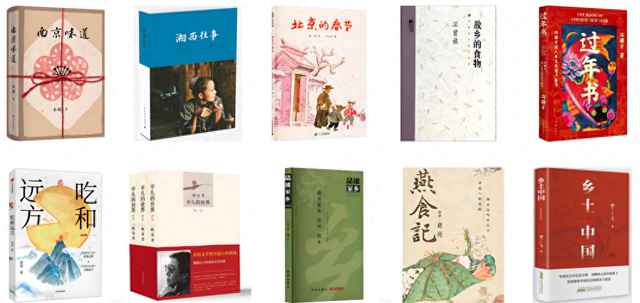
Core Viewpoint - The articles highlight the significance of traditional Chinese New Year celebrations and recommend various books that capture the essence of "Nian Wei" (the flavor of the New Year) through personal memories, culinary traditions, and cultural practices [1][3][19]. Group 1: Memory of Home - The warmth of family gatherings during the New Year is emphasized, showcasing how these moments are cherished and remembered [3]. - "Ordinary World" by Lu Yao depicts the New Year celebrations in a rural setting, illustrating the emotional connections and growth of characters through festive traditions [4][6]. - "Beijing's Spring Festival" by Lao She captures the vibrant atmosphere of New Year in old Beijing, evoking nostalgia and joy associated with traditional celebrations [8]. Group 2: Culinary Traditions - "Hometown Food" by Wang Zengqi reflects on the rich culinary heritage associated with New Year, highlighting various traditional dishes that evoke feelings of nostalgia [12]. - "Nanjing Flavors" by Yu Bin describes the unique culinary experiences of Nanjing during the New Year, emphasizing the warmth and community spirit of the city [14]. - "Eating and the Faraway" by Cheng Lei connects family stories with food, illustrating how meals serve as vessels for cherished memories and relationships [16]. Group 3: Cultural Significance - "New Year Book: Feng Jicai on the Cultural Heritage of Spring Festival" explores the deeper cultural meanings behind New Year customs, emphasizing the importance of preserving these traditions [19][21]. - "Rural China" by Fei Xiaotong discusses the cultural logic behind New Year practices, shedding light on the significance of family reunions and social structures during the festival [22][24]. - "Reading Hometown: Same Hometown in Different Places" delves into the emotional connections tied to regional dialects and traditions during the New Year [27].

知名作家共聚“文学跨年” 重温文学故乡分享文学生活
Xin Lang Cai Jing· 2026-01-02 13:18
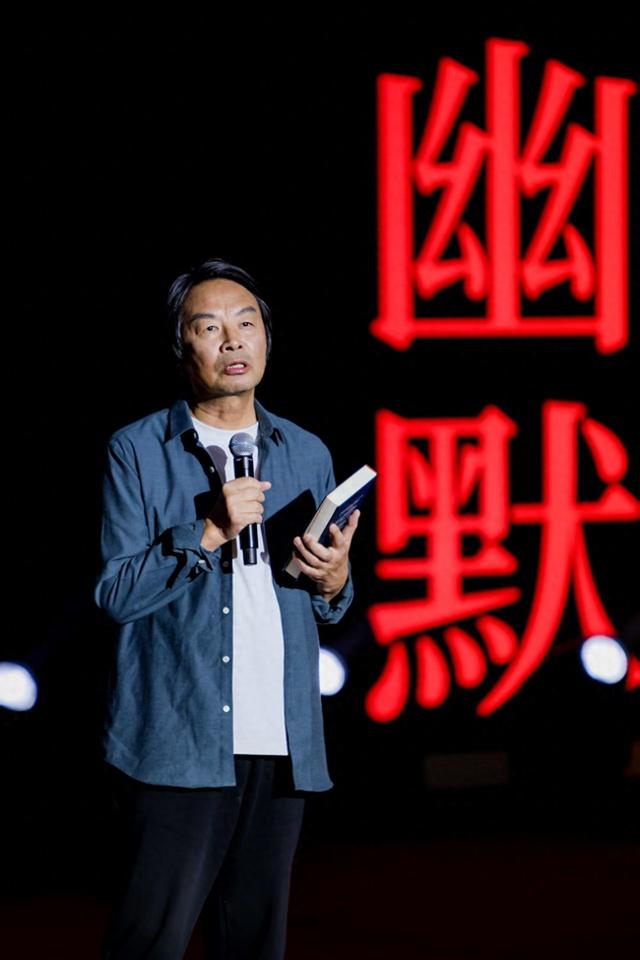
Core Viewpoint - The "Literature·China" New Year's Eve Gala, organized by the People's Literature Publishing House, has become a unique cultural event over the past five years, showcasing the relationship between literature and personal experiences of various authors [1][3]. Group 1: Event Overview - The event took place on December 31, 2025, at the China International Publishing Exchange Center in Beijing [1]. - It featured five chapters: "My Literary Hometown," "My Literary Passion," "My Literary Life," "My Literary Idol," and "My Literary Journey" [1]. Group 2: Author Contributions - Liu Zhenyun discussed the relationship between hometown and literary humor in his new work "Salty Jokes," emphasizing that true humor comes from details and shared human experiences [3]. - Liang Shao shared his deep emotional connection to his hometown in Northeast China, highlighting its unique cultural landscape as a source of inspiration [3]. - Chen Yan described his hometown as a layered map, with various geographical and historical influences shaping his creative foundation [3]. - Ye Zhaoyan examined the Qinhuai literary lineage within the broader context of Chinese literature, stressing the importance of innovation built on past foundations [3]. Group 3: Cultural Reflections - Feng Jicai reflected on Tianjin's cultural atmosphere, which has shaped his literary style, contrasting the stories of "old city" life with the experiences of living in a "concession" [4]. - Jia Pingwa noted that his writing career began with his hometown, emphasizing the importance of local experiences in his storytelling [4]. - Kang Zhen and Wen Zheng explored how literature responds to life's challenges, using Su Dongpo and Dante as examples of resilience and self-confidence [4][6]. Group 4: Everyday Inspirations - "Takeout Poet" Wang Jibing shared his 37-year writing journey, while "Market Writer" Chen Hui discussed capturing stories from daily life at her vegetable stall [6]. - Ma Huijuan, a "thumb writer" from Ningxia, expressed how literature can create miracles and empower personal expression [6]. Group 5: Cross-Disciplinary Insights - Musician Hu Haiquan reflected on the interplay between literature and music, emphasizing the importance of conveying thoughts through both mediums [6]. - Actor Zhang Jiayi recounted his experience in "White Deer Plain," describing it as a spiritual homecoming [6]. Group 6: Emerging Voices - Young authors shared their dreams and commitments, with Ge Liang focusing on stories about artisans, and Shi Yifeng expressing pride in creating unprecedented characters [8].
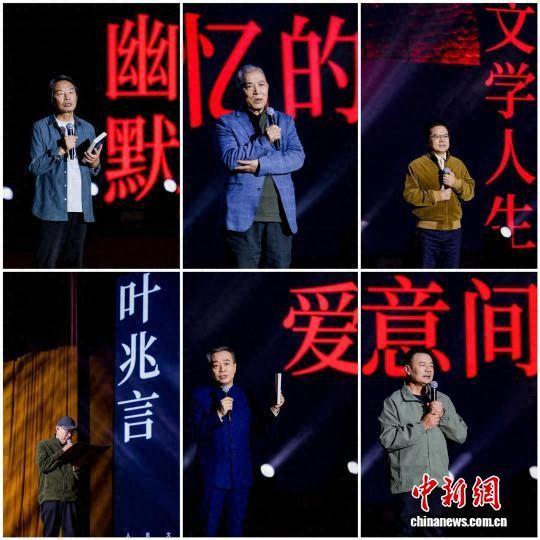
这一场文学跨年,作家带大家一起重温文学故乡,述说文学跋涉
Xin Lang Cai Jing· 2026-01-02 05:02
Core Viewpoint - The "Literature·China" New Year's Eve Gala, held on December 31, 2025, in Beijing, has become a unique cultural event over its five years, featuring renowned authors and scholars sharing their literary journeys and inspirations [1]. Group 1: Themes and Contributions - The event is divided into five chapters, each focusing on different aspects of literature and personal experiences [1]. - Liu Zhenyun discusses the relationship between hometown and literary humor in his new work "Salty Jokes," emphasizing that true humor comes from details and shared human experiences [3][4]. - Chen Yan describes his hometown as a layered landscape that inspires his writing, highlighting the importance of both real and imagined homelands in literature [6]. - Ye Zhaoyan examines the Qinhuai literary lineage within the broader context of Chinese literature, stressing the need for continuous creative evolution [8]. Group 2: Personal Narratives and Inspirations - Kang Zhen and Wen Zheng explore how literature addresses life's challenges, using Su Dongpo as an example of spiritual transformation through adversity [10][11]. - Various authors share their daily inspirations, with "takeaway poet" Wang Jibing reflecting on the resilience found in life's hardships, and "market writer" Chen Hui emphasizing sincerity in storytelling [13]. - Cross-disciplinary guests, such as singer Hu Haiquan and actor Zhang Jiayi, discuss the interplay between literature and their respective fields, illustrating the profound impact of literary experiences on their artistic expressions [13]. Group 3: Emerging Voices - In the final chapter, young writers discuss their dreams and commitments, with Ge Liang focusing on the fresh energy found in traditional craftsmanship and its integration into modern narratives [15]. - Shi Yifeng expresses fulfillment in creating unprecedented characters, highlighting the creative journey as a significant aspect of literary development [15].
广东影视“政策包”引力足 全国影视头部企业齐聚广州
Guang Zhou Ri Bao· 2025-06-20 02:03
Group 1 - The Guangdong Provincial Film and Television Industry Policy aims to promote high-quality development in the industry through 15 specific measures, including the establishment of a film creation topic library and support for talent cultivation [2][5] - The policy is the first of its kind in China to cover various formats such as theatrical films, TV dramas, web dramas, and micro-short dramas, indicating a comprehensive approach to the industry [2][5] - Representatives from major networks and production companies view Guangdong as a land of opportunities for filmmakers, highlighting the region's rich cultural heritage and unique storytelling potential [3][4] Group 2 - The potential for developing Lingnan cultural IP is significant, with many companies expressing interest in collaborating to create content that reflects the region's historical and cultural depth [4][5] - Companies are eager to leverage Guangdong's high-tech enterprises to enhance cultural innovation in film and television, suggesting a trend towards integrating technology with creative content [4][5] - The Guangdong policy has attracted top industry players, leading to a surge in quality projects and innovative ideas being brought to the region [5][6] Group 3 - Companies like Tencent Video are actively developing projects in Guangdong, indicating a strong alignment between the region's supportive environment and the industry's needs for collaboration and innovation [6] - The successful implementation of projects in Guangdong, such as the web drama "Endless End," showcases the effectiveness of government support throughout the creative process [5][6] - The emphasis on local storytelling and real location shooting is seen as a way to enhance the cultural relevance of productions while also boosting local tourism [3][4]