
故乡情怀

Search documents
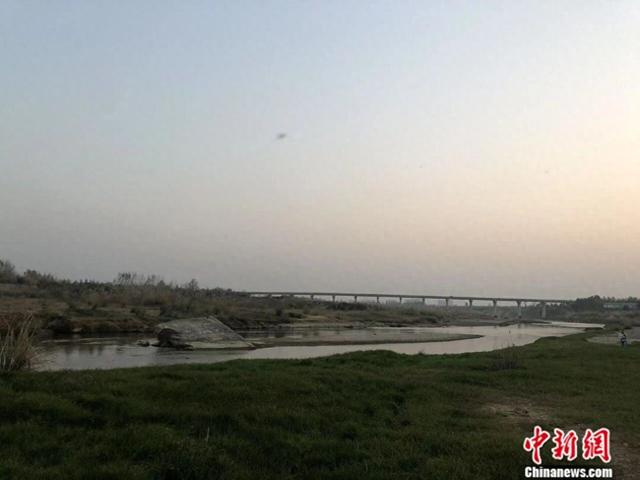
作家梁鸿:远游世界,却始终难忘故乡的河
Zhong Guo Xin Wen Wang· 2026-02-15 01:10
Core Viewpoint - The article highlights the deep emotional connection of Liang Hong to her hometown Liangzhuang and its river "Tuan Shui," which serves as a significant part of her identity and creative inspiration [1][2][3]. Group 1: Personal Connection to Hometown - Liang Hong expresses excitement about returning to Liangzhuang for the Spring Festival, reminiscing about traditional activities such as shopping for food and visiting relatives [1]. - The river "Tuan Shui" is described as an integral part of Liang Hong's life, shaping her understanding of the world and serving as a backdrop for her writing [3]. - The river symbolizes her emotional ties to her homeland, representing beauty, nature, and personal memories [3]. Group 2: Literary Works - Liang Hong's literary contributions include the "Liangzhuang Trilogy," which documents the dramatic changes in rural life, the experiences of migrant workers, and the evolution of rural society over time [4]. - Her recent work focuses on youth education and aims to explore the lives of women in Liangzhuang [6]. - The trilogy reflects her journey of self-discovery and the connection between personal experiences and broader historical narratives [9]. Group 3: Changes in Liangzhuang - Over the past decade, Liangzhuang has undergone significant transformations, with old houses being replaced by new constructions and improvements in living conditions and education [9]. - The river's pollution has notably decreased since 2000, influenced by environmental initiatives like the South-to-North Water Diversion Project [9]. - Liang Hong observes that the changes in Liangzhuang resonate with the broader progress of China, illustrating a parallel between personal and national development [9]. Group 4: Reflection on Time and Legacy - Liang Hong reflects on the passage of time, noting her personal growth from "young Liang Hong" to "middle-aged Liang Hong" over the 15 years since her book's initial publication [7]. - The loss of her father profoundly impacted her, driving her to document their shared experiences and ultimately leading to the creation of new works [14]. - The narrative emphasizes the continuity of life and memory, with the river serving as a metaphor for the enduring nature of existence and familial bonds [14][15].

锐评|千帆归来仍少年
Xin Lang Cai Jing· 2026-02-15 00:04
Group 1 - The article highlights the significance of returning home during the Spring Festival, emphasizing the emotional connection and nostalgia associated with family and hometowns [1][4][6] - It discusses how modern transportation has expanded people's travel radius, making returning home a common experience for many, contrasting it with the limited mobility in traditional agrarian societies [1][4] - The narrative reflects on the comfort and warmth of family, portraying home as a safe haven that alleviates the fatigue and challenges faced by individuals in their journeys [4][6] Group 2 - The concept of hometown is presented as a crucial starting point in everyone's life journey, serving as a reference for self-identity and personal growth [6][7] - The article conveys the idea that despite the challenges of modern life, the emotional ties to one's hometown remain strong, representing an irreplaceable aspect of individual identity and cultural roots [4][6] - It concludes with a poetic sentiment about the joy of returning home, suggesting that such experiences replenish one's energy and spirit for future endeavors [7]

淹没你的那碗刨猪汤
Xin Lang Cai Jing· 2026-02-11 16:40
Core Viewpoint - The article reflects on the nostalgic memories of a traditional pig slaughtering ceremony in a rural hometown, emphasizing the cultural significance and communal joy associated with this event. Group 1: Cultural Significance - The pig slaughtering event is described as a major celebration in rural life, marking an important tradition that brings families and communities together [2][4] - The preparation and execution of the pig slaughter involve various community members, highlighting the collaborative spirit and shared responsibilities within the village [2][3] Group 2: Culinary Experience - The process of preparing the pig includes various steps such as scalding, skinning, and cooking, which culminate in a festive meal featuring dishes like pig offal soup and various pork preparations [3][4] - The article details the sensory experiences associated with the meal, including the aromas and flavors that evoke a sense of home and tradition [4] Group 3: Emotional Connection - The narrative conveys a deep emotional connection to the hometown, illustrating how memories of food and communal gatherings can evoke feelings of belonging and nostalgia [1][4] - The celebration is portrayed not just as a meal but as a ritual that reinforces familial bonds and cultural heritage, serving as a reminder of one's roots [4]
故乡的原野
Xin Lang Cai Jing· 2026-01-24 20:40
Core Viewpoint - The articles reflect on the beauty and tranquility of the hometown's winter landscape, emphasizing the emotional connection and spiritual significance of the homeland to an individual's identity and well-being [1][2]. Group 1: Emotional Connection to Homeland - The winter landscape of the hometown is described as a beautiful fairy-tale world, evoking feelings of insignificance and humility in the vastness of nature [1]. - The trees in the landscape are portrayed as silent companions, providing a sense of connection and honor to be among them [1]. - The land is depicted as nurturing and vital, supporting the growth of various crops and symbolizing the dreams of future abundance [1]. Group 2: Spiritual Significance - The experience of standing in the homeland's fields brings a sense of peace and clarity, allowing one to forget worldly burdens and reconnect with the essence of life [2]. - The homeland is characterized as a source of the soul and an eternal spiritual home, highlighting the importance of remaining true to its nurturing influence [2]. - The landscape is likened to a mother's embrace, capable of healing emotional wounds and representing an unchanging beauty in one's heart [2].