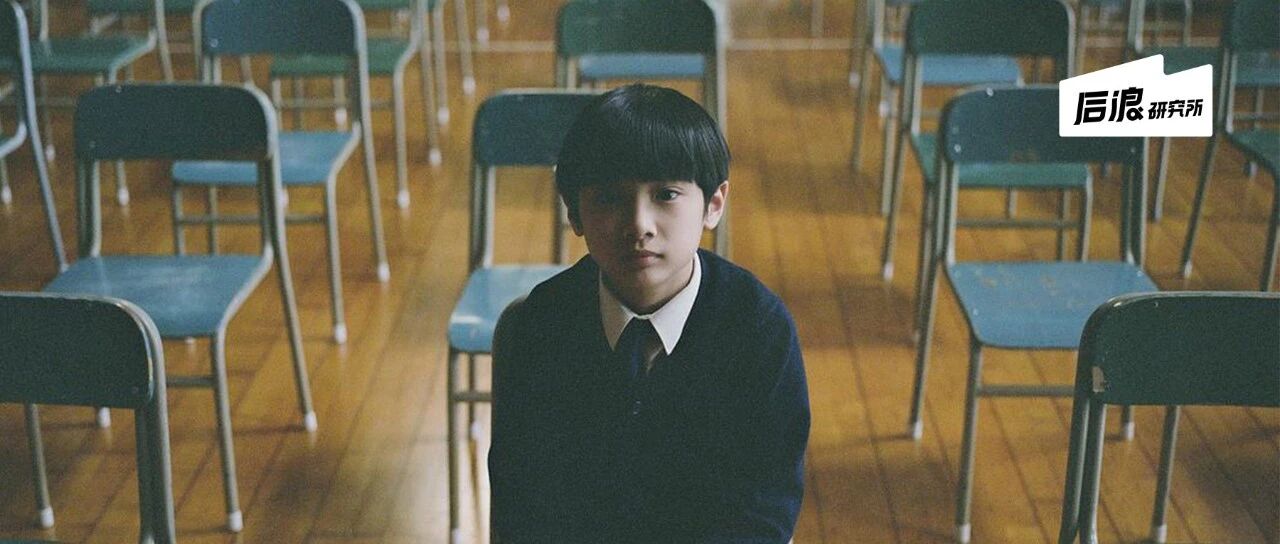
《要有光》

Search documents
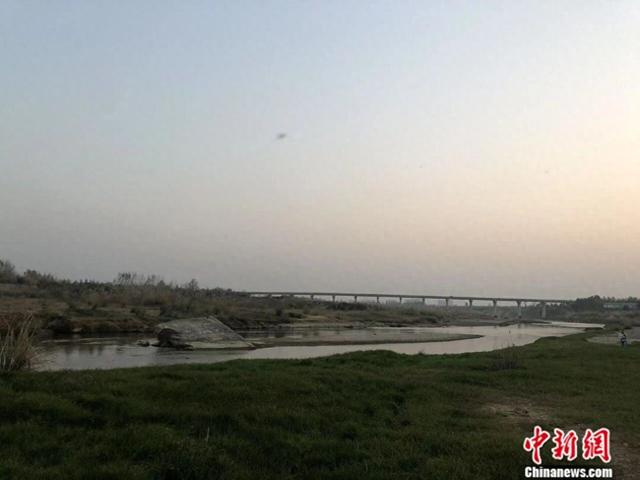
作家梁鸿:远游世界,却始终难忘故乡的河
Zhong Guo Xin Wen Wang· 2026-02-15 01:10
Core Viewpoint - The article highlights the deep emotional connection of Liang Hong to her hometown Liangzhuang and its river "Tuan Shui," which serves as a significant part of her identity and creative inspiration [1][2][3]. Group 1: Personal Connection to Hometown - Liang Hong expresses excitement about returning to Liangzhuang for the Spring Festival, reminiscing about traditional activities such as shopping for food and visiting relatives [1]. - The river "Tuan Shui" is described as an integral part of Liang Hong's life, shaping her understanding of the world and serving as a backdrop for her writing [3]. - The river symbolizes her emotional ties to her homeland, representing beauty, nature, and personal memories [3]. Group 2: Literary Works - Liang Hong's literary contributions include the "Liangzhuang Trilogy," which documents the dramatic changes in rural life, the experiences of migrant workers, and the evolution of rural society over time [4]. - Her recent work focuses on youth education and aims to explore the lives of women in Liangzhuang [6]. - The trilogy reflects her journey of self-discovery and the connection between personal experiences and broader historical narratives [9]. Group 3: Changes in Liangzhuang - Over the past decade, Liangzhuang has undergone significant transformations, with old houses being replaced by new constructions and improvements in living conditions and education [9]. - The river's pollution has notably decreased since 2000, influenced by environmental initiatives like the South-to-North Water Diversion Project [9]. - Liang Hong observes that the changes in Liangzhuang resonate with the broader progress of China, illustrating a parallel between personal and national development [9]. Group 4: Reflection on Time and Legacy - Liang Hong reflects on the passage of time, noting her personal growth from "young Liang Hong" to "middle-aged Liang Hong" over the 15 years since her book's initial publication [7]. - The loss of her father profoundly impacted her, driving her to document their shared experiences and ultimately leading to the creation of new works [14]. - The narrative emphasizes the continuity of life and memory, with the river serving as a metaphor for the enduring nature of existence and familial bonds [14][15].

第一财经年度教育图书 | AI时代中国教育需要一场全民思考
Di Yi Cai Jing· 2026-01-16 03:49
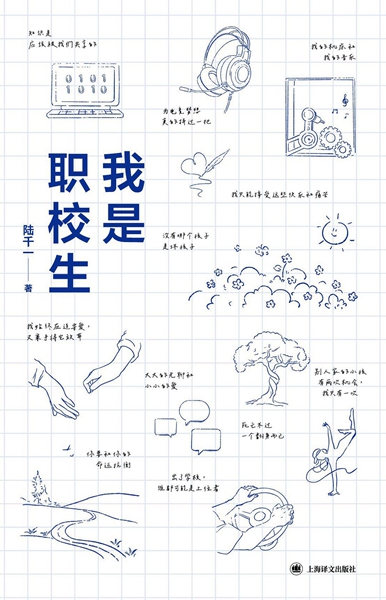
Core Viewpoint - The article discusses the evolving landscape of education in the context of rapid AI development and societal changes, emphasizing the need for innovative educational approaches that prioritize holistic human development over mere academic performance [2]. Group 1: Educational Trends and Concerns - The article highlights various educational issues, including the challenges faced by students during the pandemic, the impact of extracurricular tutoring, and the mental health struggles of youth [1][2]. - It reflects on a family gathering where parents predominantly discussed their children's education, illustrating the intense focus on educational outcomes and the societal pressures surrounding it [1]. Group 2: Recommended Books and Their Themes - "I Am a Vocational School Student" provides insights into the lives of vocational students, shedding light on their experiences and the pressures they face from educational institutions and families [5]. - "You Should Have Light" explores the lives of students struggling with emotional issues, aiming to reveal the complexities of familial relationships and the impact of parental expectations on children's mental health [7]. - "Beyond the Seen: Education, Culture, and the Future" discusses the need for educational reform in the AI era, emphasizing the responsibility of the current generation to ensure a better future for the next [9]. - "Ten Lectures on How to Read University" addresses the importance of critical thinking and effective communication in education, advocating for a shift from rote learning to innovative thinking [11]. - "How to Become an Emotionally Stable Parent" serves as a guide for parents to manage their emotions and improve their parenting skills, highlighting the challenges of modern parenting [13][14].
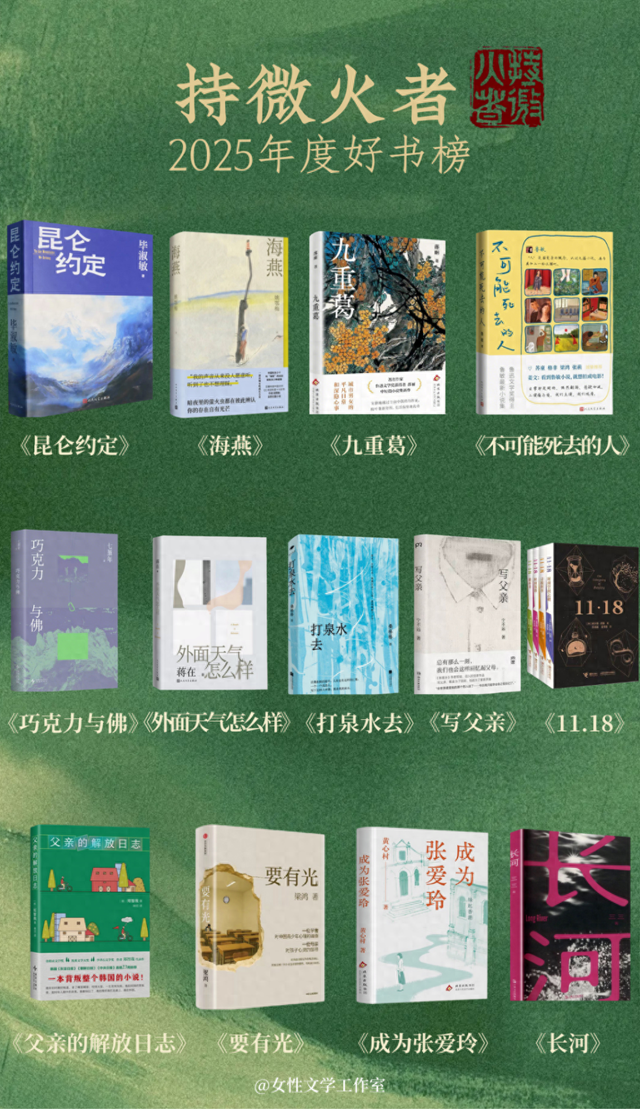
汇聚女性力量,持微火者·女性文学好书榜发布
Xin Lang Cai Jing· 2026-01-14 01:13
Core Insights - The "Holding the Micro Fire: Women's Literature Best Books List" for 2025 has been released, highlighting ten notable works by female authors, emphasizing the importance of women's perspectives in literature [1][4]. Group 1: Award Winners - The ten awarded books include works by authors such as Bi Shumin, Shao Li, and Lu Min, among others, showcasing a diverse range of themes and narratives [1]. - Special recommendations were given to Liang Hong's "To Have Light" and Huang Xincun's "Becoming Zhang Ailing," indicating their significant contributions to contemporary literature [1][5]. Group 2: Author Insights - Award-winning author Solwei Balle expressed the importance of connecting with others through writing, encouraging young women to share their stories [5]. - Zheng Zhiwo highlighted the honor of receiving a women's literature award in China, attributing his success to his parents and emphasizing the mission of achieving human equality [5]. - Liang Hong discussed the personal challenges faced while writing "To Have Light," aiming to foster understanding between generations [6]. - Huang Xincun focused on the historical and emotional depth of Zhang Ailing's life, aiming to revive her essence through literature [6]. Group 3: Themes in Women's Writing - Yao Emei emphasized the unique perspectives of female writers, advocating for the representation of women's stories in literature [7]. - Bi Shumin described women's writing as a journey towards understanding humanity, encouraging writers to explore their inner struggles and strengths [8]. Group 4: New Female Writing - Discussions on "New Female Writing" highlighted the need for a broader perspective on women's experiences within complex social networks, marking a significant trend in contemporary literature [8][10]. - The role of publishing in promoting women's literature was underscored, with digital platforms providing unprecedented opportunities for female authors to reach audiences directly [10]. Group 5: Future of Women's Literature - Zhang Li, the organizer, emphasized the goal of the "Holding the Micro Fire" initiative to showcase Chinese women's stories within a global literary context, aiming for greater visibility and recognition of women's literature [11].
我的二〇二五
Sou Hu Cai Jing· 2025-12-31 02:34
Group 1 - The year 2025 is seen as a new starting point for various professionals, including scholars, doctors, writers, and artists, highlighting a shared sense of resilience and hope for the future [3][4][5][6][12][14]. - The achievements of individuals in 2025 include publishing books, completing academic tasks, and engaging in significant cultural events, reflecting a commitment to their respective fields [4][5][12][14]. - The importance of mentorship and the passing of artistic traditions to younger generations is emphasized, showcasing the role of established figures in nurturing new talent [12][14]. Group 2 - The emergence of AI technology in the film and television industry is transforming production processes, significantly reducing costs and enabling more creators to enter the field [24][25][26]. - The shift towards AI-driven content creation is expected to democratize the industry, allowing for a broader range of voices and stories to be told [25][26]. - The cultural landscape is undergoing a transformation due to technological advancements, with the potential for increased output and innovation in storytelling [26].
当文学为生活世界掌灯 普通人的写作疗愈了谁?
Xin Lang Cai Jing· 2025-12-25 18:25
Core Viewpoint - The rise of ordinary people's writing is transforming literature into a more accessible and relatable form, creating a vibrant emotional community that reflects real-life experiences and struggles [1][4][6]. Group 1: Ordinary Writers and Their Impact - Ordinary individuals like Xiao Damei and Li Wenli are gaining recognition for their writing, which captures the essence of their life experiences and struggles, thus enriching the literary landscape [1][3]. - The emergence of new authors, such as "takeout poet" Wang Jibing and "miner poet" Chen Nianxi, signifies a shift where personal narratives are becoming increasingly visible and valued in the literary world [3][4]. - The publication of works by ordinary writers, such as the "Diary of a Real Estate Salesperson" and "Diary of a Bank Employee," highlights the resilience and determination of individuals facing life's challenges [3][4]. Group 2: Cultural Shift in Literature - The transition from professional writers to ordinary individuals sharing their stories marks a significant cultural shift, where the barriers between the two are diminishing [4][5]. - Internet platforms have democratized writing, allowing personal narratives to enter public discourse, thus fostering a new creative ecosystem where readers actively engage with these stories [4][5]. - The literary scene is expanding beyond traditional forms, with various media like stand-up comedy and short videos resonating with contemporary audiences, indicating a broader definition of literature [6][7]. Group 3: Healing and Expression through Writing - Writing serves as a therapeutic tool for many, allowing individuals to process their pain and experiences, which can lead to emotional healing [6][7]. - The act of writing is portrayed as a fundamental human need, providing a means to explore and express one's inner life amidst external challenges [7]. - The narratives produced by ordinary writers not only document their struggles but also inspire others to find hope and resilience in their own lives [5][6].
光,我们一起点亮
Ren Min Ri Bao· 2025-12-11 22:11
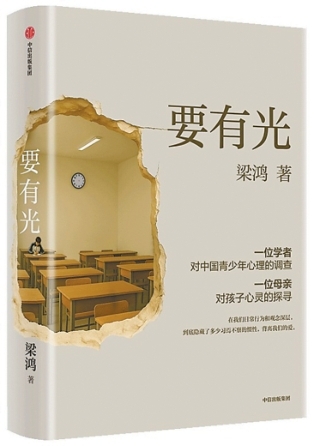
Core Insights - The book "To Have Light" by Liang Hong explores the mental health challenges faced by adolescents, highlighting the interconnectedness of family, education, and societal pressures [2][3] - It emphasizes the importance of understanding the emotional struggles of youth and the need for a supportive environment to foster their growth [3] Group 1: Adolescent Mental Health - Adolescents are identified as a high-risk group for mental health issues, often stemming from emotional detachment in their families and the competitive pressures of education [2] - The author uses various narrative techniques, including dialogues and diaries, to present the inner worlds of children, making the data relatable and emotionally resonant [2] Group 2: Educational and Familial Reflections - The book prompts reflection on parenting and educational practices, questioning the traditional metrics of success that may burden children [2] - It argues that education should focus on nurturing growth rather than competition, positioning the responsibility for children's well-being as a societal mission [3] Group 3: Sources of Hope - "Light" is depicted as coming from various sources, including dedicated teachers, supportive family members, and resilient children who strive to overcome their challenges [3] - The stories of recovery and resilience among children serve as a powerful reminder of the potential for growth and healing in the face of adversity [3]
当妈妈直言“看不起孩子”,这个家和孩子身上发生了什么?
Di Yi Cai Jing· 2025-11-28 02:20
Core Insights - The book "To Have Light" by Liang Hong explores the fundamental question of what love is and how to express it, particularly in the context of children suffering from emotional issues and school dropout [2][4] Group 1: Themes of Parental Influence - The narrative highlights that mothers can be a source of pain for their children, as seen in the case of a girl named Minmin, who faced physical abuse from her mother during a tumultuous period in their family [4][8] - Liang Hong reflects on her own experiences as a mother, revealing her internal conflicts and the emotional toll of trying to connect with her son amidst growing tensions [4][5] Group 2: Mental Health Statistics - Liang Hong's research indicates that 30% of depression patients are under 18, with 50% of these being school students, showcasing a concerning trend of increasing mental health issues among youth [6] - The prevalence of depression among adolescents is reported to be between 15% and 20%, indicating a significant public health concern that requires urgent attention [6] Group 3: Personal Stories and Experiences - The book includes personal accounts from various children, such as a girl named Yaya, who experienced severe anxiety and depression due to academic pressure, leading to a mental health crisis [7][10] - Another case involves a boy known as the "Flower Arm Boy," who faced abandonment and neglect, resulting in severe emotional and psychological issues [9] Group 4: Societal Reflections - Liang Hong's observations reveal a broader societal issue where parents often express disdain for their children when they struggle academically, reflecting a harsh reality in parental expectations [11] - The narrative emphasizes the need for a cultural shift in how parents perceive and interact with their children, suggesting that deep-seated beliefs and behaviors contribute to the ongoing cycle of emotional distress [11][12]
湃书单|澎湃新闻编辑们在读的13本书:工资的真相
Xin Lang Cai Jing· 2025-11-15 09:08
Group 1 - The core argument of the article revolves around the systemic unfairness in the modern American labor market, particularly focusing on low wages and the factors influencing wage determination [5][6][9] - The author critiques traditional economic theories that link wages directly to risk or productivity, arguing that this assumption does not hold true in practice [6][9] - The book discusses how employers maintain low wages through policies like salary secrecy and non-compete agreements, which limit employees' bargaining power [6][9] Group 2 - The author identifies key factors in wage determination, including power dynamics, inertia, imitation, and fairness, which challenge mainstream human capital and job theories [6][9] - The analysis highlights the role of weakened unions and the shareholder primacy ideology in contributing to wage stagnation and widening income inequality in the U.S. [6][9] - The book suggests that the current plight of American workers is not coincidental but rather a result of carefully designed systemic forces [8][9] Group 3 - The author proposes comprehensive reform ideas aimed at raising minimum wages, expanding the middle class, and limiting elite incomes, which face significant political resistance in a weakened union environment [9] - The discussion includes the importance of understanding organizational performance metrics and the underlying power intentions rather than blindly accepting them [7][9] - The book emphasizes the need for workers to critically assess the performance indicators set by organizations to recognize the power dynamics at play [9]
梁鸿:抑郁的少年,是如何被大人「围困」的?
3 6 Ke· 2025-11-01 01:32
Core Insights - The book "要有光" by Liang Hong focuses on the psychological struggles of contemporary Chinese youth, highlighting the disconnect between parents and children in understanding each other's pain [2][6][28] - Liang Hong's investigation reveals a significant rise in mental health issues among adolescents, with 30% of depression patients being under 18, and 50% of these patients being students [2][7] Group 1: Psychological Issues Among Youth - The narrative includes the story of a girl named Min Min, who suffers from domestic violence and subsequently drops out of school for three years due to her mental health struggles [2][11] - The book emphasizes the increasing prevalence of depression among young people, with statistics indicating that 77% and 69% of student patients experience issues related to interpersonal and family relationships [2][7] - Liang Hong's research involved interviews with various stakeholders, including students, parents, teachers, and psychologists, to present a comprehensive view of the psychological landscape faced by youth in modern China [3][6] Group 2: Parental Relationships and Educational Pressures - The author discusses the challenges parents face in connecting with their children, often feeling helpless and confused about how to support them [7][8] - The book highlights the detrimental effects of high parental expectations and rigid educational systems, which can lead to severe mental health issues in children [19][20] - The experiences of different families illustrate the varying impacts of educational pressures, with some children feeling isolated and unsupported despite their parents' good intentions [19][21] Group 3: Support Systems and Community Responses - The narrative includes the role of a tutor named Uncle, who provides a safe space for troubled students, allowing them to express their feelings without judgment [14][15] - The book portrays the importance of creating dialogue between parents and children, as well as between parents and mental health professionals, to address the underlying issues of youth mental health [15][28] - The author aims to shed light on the complexities of these issues, encouraging readers to reflect on their own experiences and the societal factors contributing to youth mental health crises [28][30]
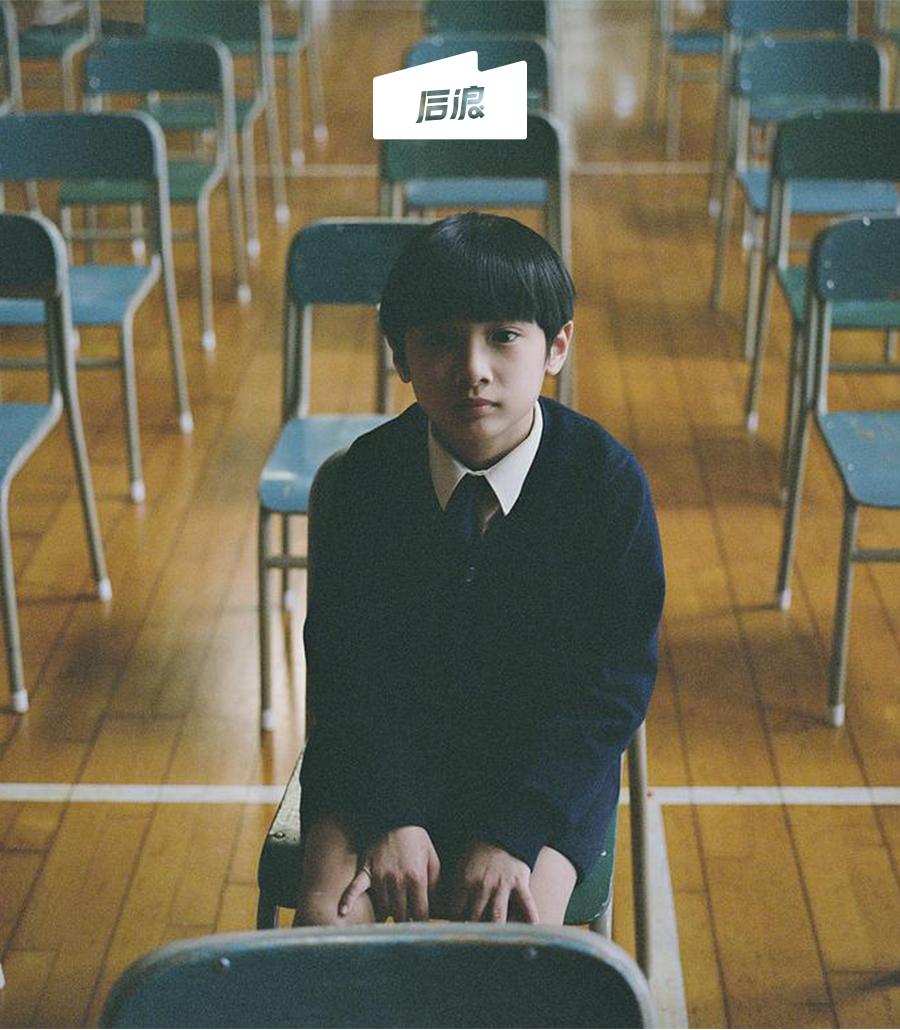
梁鸿:抑郁的少年,是如何被大人「围困」的?
后浪研究所· 2025-10-28 03:48
Core Viewpoint - The article discusses the psychological struggles faced by contemporary Chinese youth, emphasizing the disconnect between parents and children, and the urgent need to address adolescent mental health issues [3][4][10]. Group 1: Adolescent Mental Health Issues - A significant portion of depression cases in China involves individuals under 18, with 30% of all depression patients being in this age group, and 50% of them are students [3]. - The trend of depression is increasingly affecting younger populations, highlighting a societal need for greater awareness and intervention in adolescent mental health [3][4]. Group 2: Parental Challenges - Many parents struggle to connect with their children, often feeling helpless and confused about how to support them through their emotional difficulties [9][10]. - The article illustrates the emotional burden on parents, particularly mothers, who often feel isolated in their struggles while fathers may remain detached [18][19]. Group 3: Case Studies and Personal Narratives - The narrative includes various personal stories of adolescents like Minmin and Yaya, who face severe emotional distress due to family dynamics and societal pressures [11][13][30]. - The experiences shared by these youths reveal the complexities of their mental health issues, often exacerbated by parental expectations and societal norms [22][24]. Group 4: Educational Environment and Societal Expectations - The article critiques the educational system and societal pressures that contribute to the mental health crisis among youth, noting that high expectations can lead to anxiety and depression [29][30]. - It highlights the contrasting experiences of children from different socio-economic backgrounds, indicating that while middle-class families may impose strict educational demands, rural children face different challenges such as parental absence [30][31]. Group 5: The Role of Support Systems - The importance of supportive environments, such as counseling centers and community programs, is emphasized as crucial for helping troubled youth [17][18]. - The narrative showcases individuals like Uncle, who provide emotional support and understanding to children facing mental health challenges, creating safe spaces for them to express their feelings [17][18].