
敏捷供应链

Search documents
前阿里高管空降,对山姆和中国用户意味着什么?
3 6 Ke· 2025-10-28 12:21
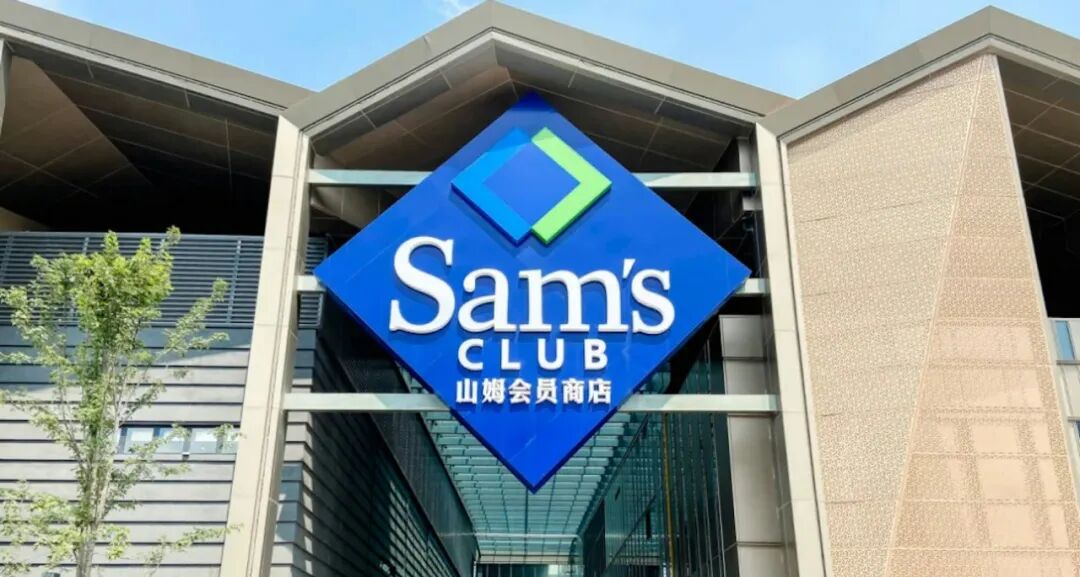
Core Insights - Walmart China appointed Liu Peng as the president of Sam's Club, indicating a strategic shift towards localized operations in the competitive membership retail market in China [1][3] Group 1: Competitive Landscape - The competition among membership-based supermarkets has evolved from a "warehouse model" to a "localized deep operation" model, necessitating a better understanding of Chinese family needs and refined local supply chains [3][4] - Sam's Club's traditional advantages in global procurement and private label development are being challenged by local competitors like Hema, requiring a shift in strategy to meet local consumer demands [3][4] Group 2: Supply Chain Strategy - The focus is shifting from globalized "goods" to a more refined, member-centric agile supply chain, emphasizing quick responses to member needs and the introduction of products tailored for Chinese consumers [4][5] - Liu Peng's experience at Alibaba is expected to enhance Sam's Club's ability to localize global brands and develop a supply chain that can quickly adapt to consumer preferences [4][5] Group 3: Online and Offline Integration - The integration of online and offline ecosystems is becoming crucial, with data-driven strategies and user lifecycle management being key to sustaining growth in the retail sector [6] - Liu Peng's appointment signals a move towards a more efficient operational model that prioritizes user experience over traditional channel competition, reflecting a broader trend in the retail industry [6][7]


零售行业供应链 从效率竞争发展到价值共生
Zheng Quan Ri Bao· 2025-04-29 18:28
Group 1: Industry Overview - As of April 29, among 144 wholesale and retail companies that have released their 2024 annual reports, 80 companies reported a year-on-year decline in net profit, and 27 companies incurred losses, primarily due to intense industry competition leading to pressure on store sales [1] - Traditional retail companies face challenges such as outdated product presentation, insufficient services, and product homogeneity, which hinder their ability to generate profits [1] - "Store adjustment" has become a consensus in the industry, as highlighted in annual reports from companies like Zhongbai Holdings Group and Nanjing Central Market Group [1] Group 2: Supply Chain Dynamics - The retail industry's supply chain is undergoing challenges such as demand differentiation, pressure from private labels, and efficiency tests, transitioning from a competitive to a collaborative model [2] - The core of traditional supply chain competition has shifted from "cost competition" to "value competition," emphasizing quality upgrades rather than mere differentiation [2] - Companies are focusing on core suppliers to build a supply chain that emphasizes quality, pricing, and long-term relationships [2] Group 3: Future Trends - Flexibility and responsiveness of the supply chain are becoming key competitive factors, with an increasing emphasis on information sharing and digital collaboration [3] - The relationship between retailers and suppliers is evolving from a transactional nature to a value community, moving from cost competition to shared innovation [3] - The retail supply chain transformation is expected to deepen as new retail infrastructure becomes more established [3]