散户逢低加仓

Search documents
美股法规迎来大改变,日内交易门槛只需2000刀,散户“逢低加仓”成新风向
3 6 Ke· 2025-08-13 03:37
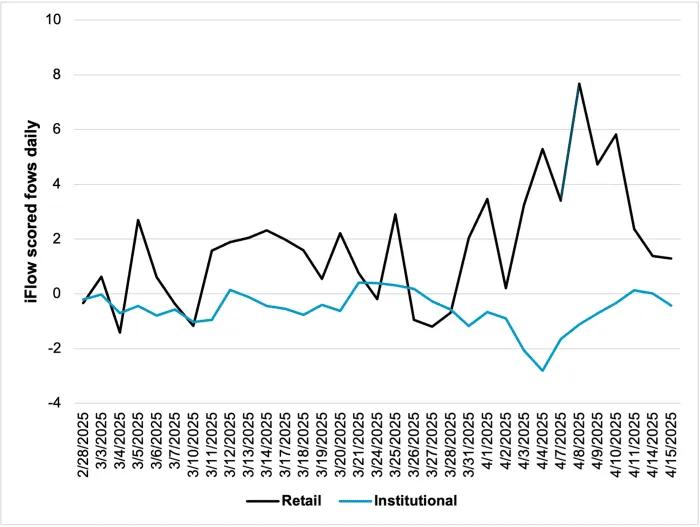
Core Insights - Retail investors are showing unprecedented resilience in the recent U.S. stock market, contrary to traditional investment theories that suggest they panic and sell during downturns [1] - Retail investors are increasingly viewing market pullbacks as buying opportunities, particularly in the technology sector, leading to significant net buying during market adjustments [1][3] - The shift in retail investor behavior is altering the microstructure of the market, challenging the traditional dominance of institutional investors [3] Group 1: Retail Investor Behavior - Retail investors are adopting a "buying on dips" strategy, which allows them to build positions steadily during market volatility and achieve better returns during rebounds [1][3] - Trading data from brokerage platforms indicates a notable increase in net buying by retail accounts whenever the market experiences a downturn [1] Group 2: Market Dynamics and Regulation - The potential regulatory reform by the Financial Industry Regulatory Authority (FINRA) aims to lower the minimum equity requirement for "pattern day traders" from $25,000 to $2,000, which could significantly increase participation from smaller accounts [3][5] - Supporters of the reform argue that advancements in zero-commission trading and real-time risk management technologies justify the reduction of barriers that were established in a different market environment [5] - Critics warn that lowering the entry threshold may lead inexperienced investors to engage in impulsive trading, which historically results in underperformance compared to market indices [5] Group 3: Future Market Implications - The combination of increased retail investment and the potential liberalization of day trading regulations may create a dual-variable environment for the U.S. stock market [5] - Investors will face both opportunities and challenges in a more active and volatile market, where maintaining rationality and risk management will be crucial for success in the new cycle [5]