文人紫砂

Search documents
“不与俗人同”
Xin Lang Cai Jing· 2026-01-10 07:05
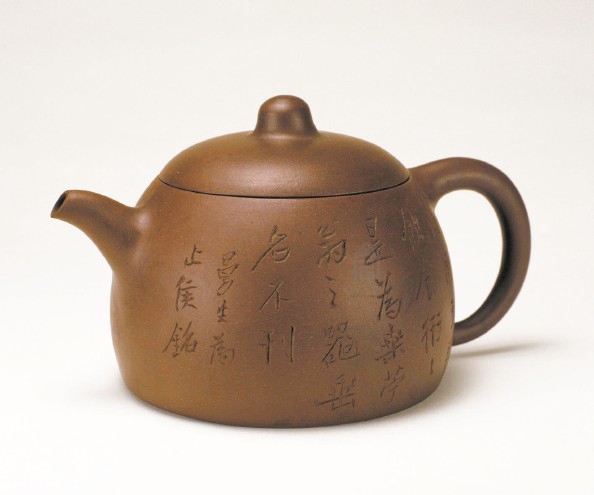
Core Viewpoint - The article discusses the evolution of Chinese purple clay teapots (Yixing teapots) and their significance in the cultural and artistic life of scholars throughout different historical periods, particularly during the Song, Ming, and Qing dynasties. Group 1: Historical Context - During the Song dynasty, the rise of the scholar-official class led to a flourishing of cultural activities, including poetry, painting, and tea drinking, which became social events known as "elegant gatherings" [6][7] - The Ming dynasty saw a resurgence in artistic expression among scholars, driven by economic prosperity and a shift in focus from official careers to personal artistic pursuits, leading to the creation of unique and high-quality artifacts [8] Group 2: Development of Purple Clay Teapots - In the late Ming to early Qing period, purple clay teapots became integral to the daily lives of scholars, reflecting their aesthetic values and artistic sensibilities [9] - The collaboration between scholars and artisans led to the integration of poetry, calligraphy, and painting into the design of purple clay teapots, creating a new artistic form that expressed personal sentiments [9] Group 3: Artistic Peak and Techniques - The peak of purple clay artistry occurred during the Guangxu period, with notable collaborations between scholars and master potters, resulting in a rich variety of teapot designs that harmonized form and meaning [10] - The Yucheng kiln became significant for its unique approach, emphasizing natural aesthetics and traditional techniques, producing teapots that showcased a diverse color palette and intricate designs [10][11]