宋代美学

Search documents
“不与俗人同”
Xin Lang Cai Jing· 2026-01-10 07:05
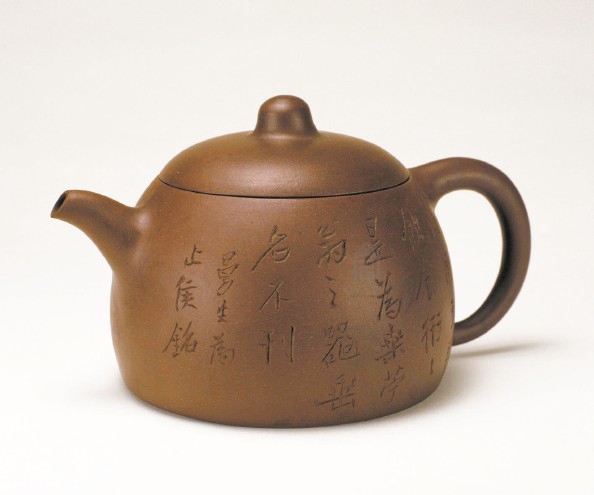
Core Viewpoint - The article discusses the evolution of Chinese purple clay teapots (Yixing teapots) and their significance in the cultural and artistic life of scholars throughout different historical periods, particularly during the Song, Ming, and Qing dynasties. Group 1: Historical Context - During the Song dynasty, the rise of the scholar-official class led to a flourishing of cultural activities, including poetry, painting, and tea drinking, which became social events known as "elegant gatherings" [6][7] - The Ming dynasty saw a resurgence in artistic expression among scholars, driven by economic prosperity and a shift in focus from official careers to personal artistic pursuits, leading to the creation of unique and high-quality artifacts [8] Group 2: Development of Purple Clay Teapots - In the late Ming to early Qing period, purple clay teapots became integral to the daily lives of scholars, reflecting their aesthetic values and artistic sensibilities [9] - The collaboration between scholars and artisans led to the integration of poetry, calligraphy, and painting into the design of purple clay teapots, creating a new artistic form that expressed personal sentiments [9] Group 3: Artistic Peak and Techniques - The peak of purple clay artistry occurred during the Guangxu period, with notable collaborations between scholars and master potters, resulting in a rich variety of teapot designs that harmonized form and meaning [10] - The Yucheng kiln became significant for its unique approach, emphasizing natural aesthetics and traditional techniques, producing teapots that showcased a diverse color palette and intricate designs [10][11]

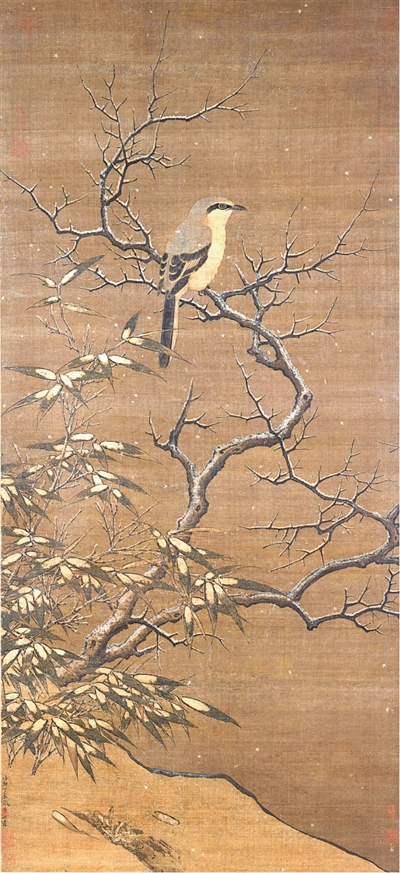
静观之境存风骨(读画)
Ren Min Ri Bao· 2025-11-08 22:11
Core Perspective - The article emphasizes the aesthetic and philosophical significance of Li Di's painting "Snowy Tree and Cold Bird," reflecting the Song Dynasty's ideals of quiet observation and inner contemplation amidst the harshness of winter [2][3]. Summary by Sections Artistic Analysis - The painting, created in 1187, showcases a resilient thorn tree and a solitary bird, symbolizing strength and perseverance in a desolate winter landscape [2]. - The use of negative space and minimalistic elements in the artwork conveys a sense of tranquility and depth, allowing viewers to feel the essence of winter [2]. Historical Context - The year the painting was completed coincided with a period of personal loss for Emperor Xiaozong, which may have influenced the themes of solitude and resilience depicted in the artwork [3]. - The painting reflects the broader aesthetic pursuit of the Song Dynasty, emphasizing not just technical skill but also the profound exploration of existential themes [3]. Philosophical Implications - The artwork embodies the Song Dynasty's philosophy of "external barrenness with internal richness," illustrating the contrast between the starkness of the scene and the underlying vitality of life [3]. - The enduring message of the painting is one of dignity and hope, suggesting that even in the face of adversity, the spirit of life remains unyielding [3].
文博日历丨何为影青?这抹中式“薄荷曼波”好清新~
Yang Shi Xin Wen· 2025-05-13 02:09
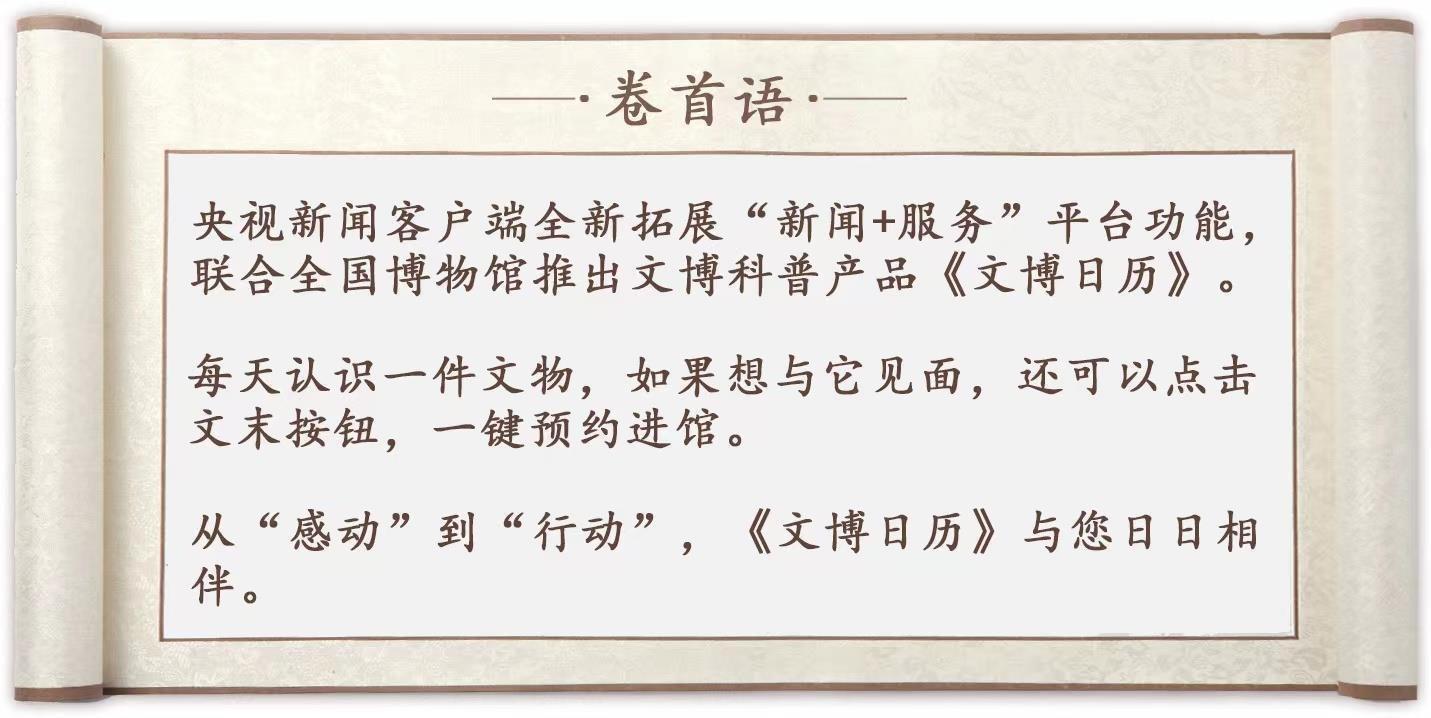
Core Viewpoint - The article highlights the introduction of a new cultural and educational product, "Wenbo E," in collaboration with museums across the country, aimed at enhancing public engagement with cultural heritage through daily interactions with artifacts [1]. Group 1: Product Introduction - "Wenbo E" is a cultural science product that allows users to learn about a different artifact each day and provides a one-click reservation feature for museum visits [1]. Group 2: Artifact Highlight - The featured artifact is the "Yingqing Chrysanthemum Petal Pattern Jar" from the Song Dynasty, measuring 4.8 cm in diameter and 8.3 cm in height, housed in the Nanhai Museum of China (Hainan) [2][10]. Group 3: Aesthetic Description - The jar is described as embodying the beauty of "Yingqing" porcelain, characterized by its thin, translucent quality and a glaze that appears between blue and white, often referred to as "fake jade" [17][14]. - The design features raised chrysanthemum petal patterns, symbolizing a blooming flower, and reflects the Song Dynasty's aesthetic principles of simplicity and elegance [16][19]. Group 4: Cultural Significance - The article emphasizes the historical appreciation of the color blue in Chinese culture, linking it to various forms of artistic expression, including ceramics and literature, showcasing the enduring legacy of blue porcelain [25][21].