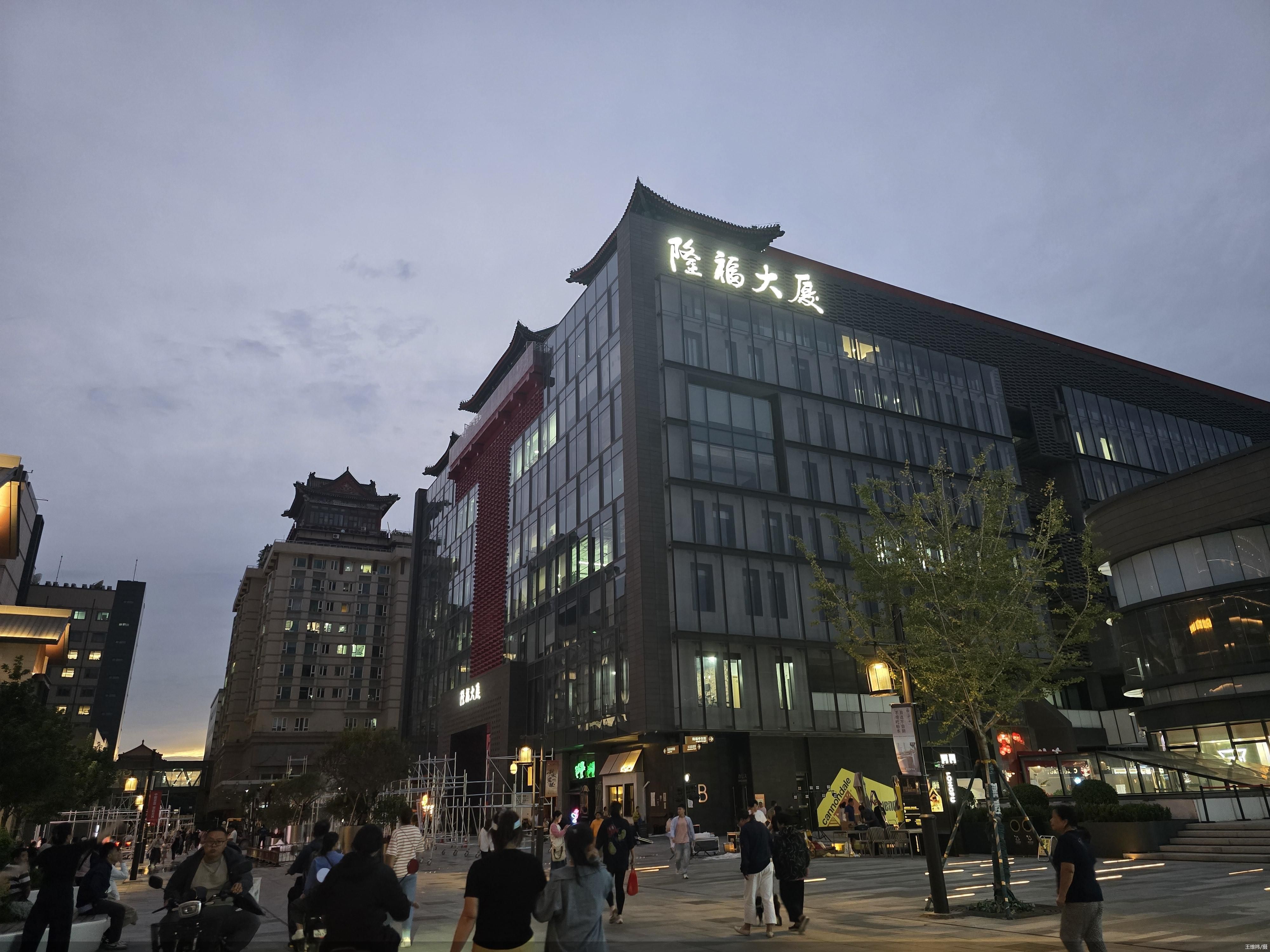
文化孵化

Search documents
文化地标隆福寺备考商业地标
Bei Jing Shang Bao· 2025-09-17 16:16
Core Insights - The article discusses the reopening of the Longfu Temple, which aims to redefine its consumer positioning in Beijing's market by integrating cultural elements and enhancing commercial operations [1][5]. Group 1: Project Overview - The Longfu Temple's second phase officially opened on September 17, expanding its commercial area to over 35,000 square meters and introducing a variety of flagship stores and experiential businesses [3]. - The project has transformed into a cultural and artistic park since the completion of its first phase in 2019, preserving historical architecture while integrating modern commercial elements [3][4]. Group 2: Visitor Engagement and Experience - The new phase includes attractions like the Happy Mahua Theater and a VR cinema, aiming to provide immersive experiences and attract a diverse audience [3][4]. - On the opening day, the Longfu Temple announced several exhibitions, including a non-heritage exhibition and a theme exhibition on Chinese animation, to draw more visitors [5]. Group 3: Market Positioning and Strategy - The Longfu Temple aims to differentiate itself from other commercial areas like Wangfujing and Sanlitun by leveraging its cultural heritage and creating unique consumer experiences [5][7]. - Experts suggest that the success of the Longfu Temple will depend on its ability to merge cultural experiences with retail offerings, creating a vibrant community that attracts repeat visitors [6][7].

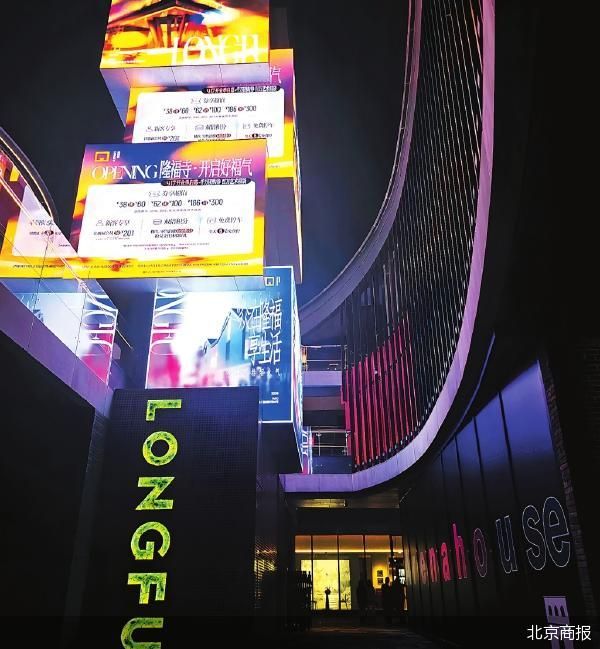
文化地标焕新入市 隆福寺迎商业考验
Bei Jing Shang Bao· 2025-09-17 14:38
Core Insights - The reopening of Longfu Temple aims to establish a new consumer positioning in Beijing's vibrant market, integrating cultural heritage with modern commercial experiences [1][4] - The second phase of Longfu Temple has officially opened, expanding its commercial area to over 35,000 square meters and offering a richer variety of retail and experiential formats compared to the first phase [4][5] Group 1: Project Overview - Longfu Temple has transformed into a cultural and artistic park since the completion of its first phase in 2019, hosting over 500 offline events and exhibitions [6] - The second phase includes notable attractions such as the Happy Mahua Theater, All-Time VR Cinema, and various flagship stores, enhancing the overall visitor experience [5][6] Group 2: Market Strategy - The project aims to attract foot traffic through themed exhibitions, including a Beijing Time-Honored Brand Heritage Exhibition and a China Animation Centennial Exhibition, to engage more consumers [7] - Longfu Temple's management anticipates a weekend footfall of 100,000 to 200,000 visitors post-opening, with plans for various cultural events to enhance its appeal [8] Group 3: Cultural Integration - The project emphasizes the need for a deep integration of cultural experiences with retail offerings to convert foot traffic into sales, highlighting the importance of a "cultural incubation" strategy during its initial operational phase [8][9] - Experts suggest that the success of Longfu Temple will depend on its ability to create a vibrant cultural ecosystem that attracts and retains visitors through engaging cultural content and community-driven activities [9]