文字禅

Search documents
这本书曾被烧毁却依旧流传千年,揭秘“禅门第一书”的神秘面纱!
首席商业评论· 2025-09-14 04:08
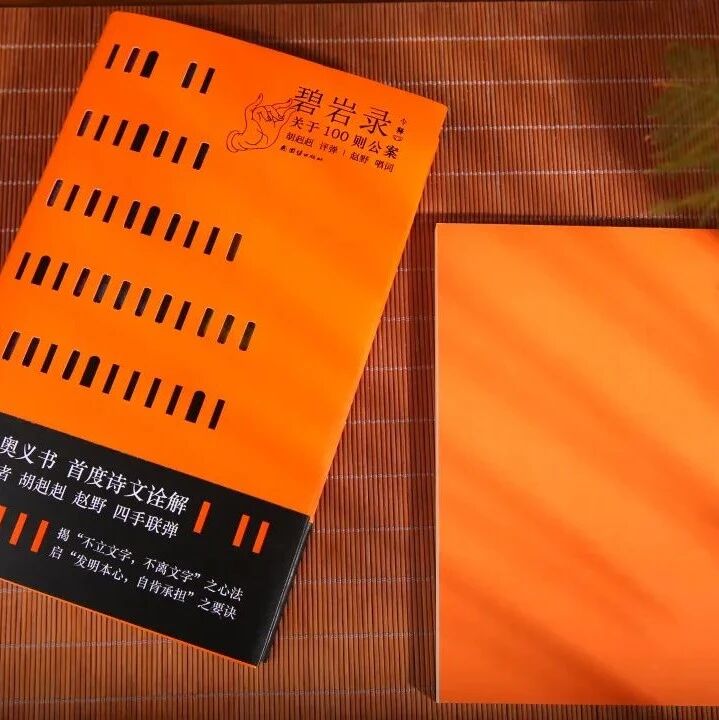
Core Viewpoint - The article discusses the significance of the book "Biyan Lu" (碧岩录), regarded as the "first book of the sect" in Zen Buddhism, highlighting its profound influence on both Chinese and Japanese Zen culture [1][2]. Group 1: Background of "Biyan Lu" - "Biyan Lu" was compiled by the Song Dynasty monk Yuanwu Keqin and his disciples, serving as a collection of Zen teachings and anecdotes [2]. - Yuanwu Keqin, born into a scholarly family, had a transformative experience that led him to pursue Zen, eventually becoming a prominent figure in the Zen community [4][5]. - His teachings emphasized the importance of understanding the essence of Zen beyond mere words, illustrated through various anecdotes and dialogues with disciples [5][7]. Group 2: Structure and Content of "Biyan Lu" - The book consists of 100 Zen koans, which are short stories or dialogues that convey deep spiritual insights and are used as teaching tools [13][15]. - Yuanwu Keqin's contributions to the text include three main components: prefaces, annotations, and commentaries that provide context and interpretation for each koan [10][11]. - The language of "Biyan Lu" is poetic and rich in imagery, making it a vital text for Zen practitioners seeking enlightenment [15]. Group 3: Influence and Legacy - "Biyan Lu" has been influential in Zen practice, often used as a primary text for meditation and understanding Zen principles [15][17]. - Despite attempts to suppress its publication due to misinterpretations, the book has persisted in its influence, with notable figures praising its depth and significance [11][13]. - The recent publication "Biyan Lu Jin Shi" aims to modernize the interpretation of the text, combining the original text with contemporary commentary and poetry [19][24].