禅宗

Search documents
第一次推荐这座反向游宝藏小城,我后悔了……
3 6 Ke· 2026-02-10 03:42
Core Viewpoint - The article highlights the unique cultural and historical significance of Qujiang, a district in Shaoguan, Guangdong, emphasizing its underappreciated status as a destination for spiritual and culinary experiences, particularly during the New Year celebrations [2][7][40]. Group 1: Historical and Cultural Significance - Qujiang has a rich history, with over 2100 years of administrative establishment since the Han Dynasty [4]. - The area is home to significant cultural landmarks, including the Nanhua Temple, known as the birthplace of Southern Zen Buddhism, and the Ma Ba people archaeological site, which represents the earliest known human presence in the region [4][51][56]. - The Nanhua Temple, established over 1500 years ago, is a key site for New Year blessings and has historical ties to notable figures like Su Dongpo and Huineng [15][27][30]. Group 2: Natural Beauty and Tourism Potential - Qujiang is described as a serene and healing destination, ideal for those seeking a retreat from crowded tourist spots, with its picturesque landscapes and cultural heritage [8][40]. - The region's geographical positioning within a "U"-shaped valley makes it a crucial hub for transportation and cultural exchange in northern Guangdong [42]. - The article suggests that Qujiang is an emerging destination for reverse tourism, particularly during the New Year, combining traditional cultural experiences with modern artistic expressions [39][40]. Group 3: Culinary Delights - Qujiang is noted for its unique local cuisine, including dishes like Datang pork and various river fish, which reflect the region's culinary heritage and emphasis on fresh ingredients [61][70]. - The article emphasizes the importance of local food traditions, such as the use of seasonal and fresh ingredients, which align with the Zen philosophy of simplicity and mindfulness in dining [61][70]. - The culinary offerings in Qujiang are portrayed as a significant aspect of the local culture, contributing to the overall experience of visitors [61][70].


哭之笑之,四百年来第一流
Xin Lang Cai Jing· 2026-02-07 07:21
Core Viewpoint - The article discusses the enduring legacy and modern relevance of the artist Ba Da Shan Ren (Eight Great Mountain Man), highlighting upcoming exhibitions and the profound impact of his work on Chinese art history [7][8]. Group 1: Historical Context and Artistic Evolution - Ba Da Shan Ren, originally a member of the royal family, faced a dramatic life change after the fall of the Ming dynasty, leading him to seek refuge in monastic life and ultimately influencing his artistic expression [8]. - His art reflects a transition from emotional expression to existential recognition, shaped by personal and historical trauma [8][9]. - The artist's works are characterized by a minimalist approach, utilizing empty spaces and sparse elements to convey deeper meanings and emotional weight [9][10]. Group 2: Artistic Techniques and Philosophical Underpinnings - Ba Da Shan Ren's paintings exhibit a deliberate simplicity, where the use of negative space and restrained composition creates a unique visual tension [9][13]. - His works are influenced by Zen Buddhism, emphasizing a non-conventional perspective that challenges traditional representations and invites viewers to engage with the art on a deeper level [11][12]. - The artist's later works reflect a shift towards broader existential themes, moving away from nationalistic sentiments to focus on individual human experience and value [14][15]. Group 3: Influence and Legacy - Ba Da Shan Ren's art has had a lasting impact on subsequent generations of Chinese artists, serving as a source of inspiration and a catalyst for artistic innovation [15][16]. - His minimalist style and philosophical depth resonate with modernist principles, offering a classical prototype that influences various fields beyond painting, including architecture and design [15][16]. - The artist's ability to convey profound meaning through simplicity has established him as a pivotal figure in the evolution of Chinese art, continuously inviting reinterpretation and engagement from contemporary audiences [16].

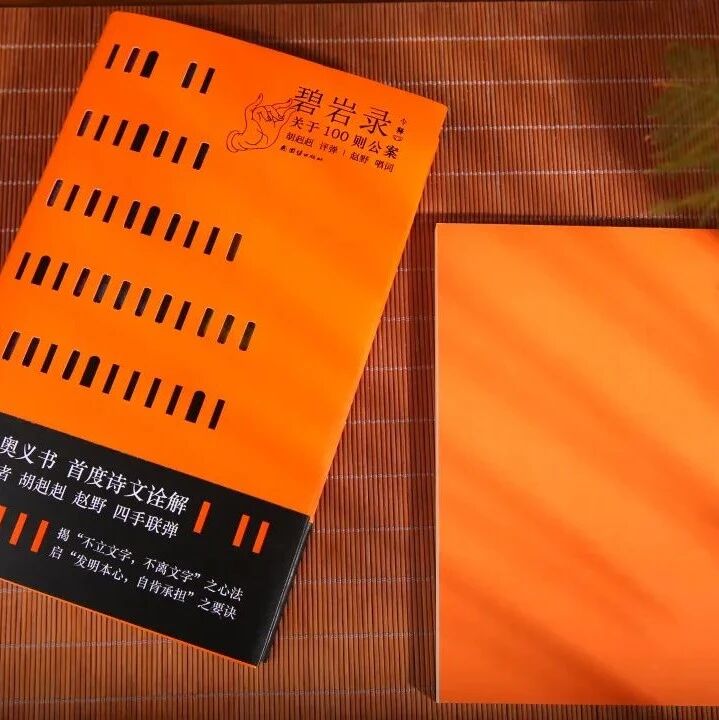
这本书曾被烧毁却依旧流传千年,揭秘“禅门第一书”的神秘面纱!
首席商业评论· 2025-09-14 04:08
Core Viewpoint - The article discusses the significance of the book "Biyan Lu" (碧岩录), regarded as the "first book of the sect" in Zen Buddhism, highlighting its profound influence on both Chinese and Japanese Zen culture [1][2]. Group 1: Background of "Biyan Lu" - "Biyan Lu" was compiled by the Song Dynasty monk Yuanwu Keqin and his disciples, serving as a collection of Zen teachings and anecdotes [2]. - Yuanwu Keqin, born into a scholarly family, had a transformative experience that led him to pursue Zen, eventually becoming a prominent figure in the Zen community [4][5]. - His teachings emphasized the importance of understanding the essence of Zen beyond mere words, illustrated through various anecdotes and dialogues with disciples [5][7]. Group 2: Structure and Content of "Biyan Lu" - The book consists of 100 Zen koans, which are short stories or dialogues that convey deep spiritual insights and are used as teaching tools [13][15]. - Yuanwu Keqin's contributions to the text include three main components: prefaces, annotations, and commentaries that provide context and interpretation for each koan [10][11]. - The language of "Biyan Lu" is poetic and rich in imagery, making it a vital text for Zen practitioners seeking enlightenment [15]. Group 3: Influence and Legacy - "Biyan Lu" has been influential in Zen practice, often used as a primary text for meditation and understanding Zen principles [15][17]. - Despite attempts to suppress its publication due to misinterpretations, the book has persisted in its influence, with notable figures praising its depth and significance [11][13]. - The recent publication "Biyan Lu Jin Shi" aims to modernize the interpretation of the text, combining the original text with contemporary commentary and poetry [19][24].
Z世代的佛祖不需要释永信了
Hu Xiu· 2025-07-29 12:47
Group 1 - The article discusses the transformation of Shaolin Temple from a dilapidated site to a commercial powerhouse under the leadership of Shi Yongxin, who expanded its influence through various business ventures [4][5][10] - The temple's economic activities have grown significantly, with the overall temple economy in 2023 nearing 90 billion yuan, projected to exceed 100 billion yuan by 2025 [14][15] - Shi Yongxin's approach to business has raised concerns about the integrity of the temple, as he has been associated with numerous controversies, including allegations of personal misconduct [12][18][22] Group 2 - The article highlights a cultural shift among younger generations, who view temple visits more as transactions rather than spiritual experiences, indicating a pragmatic approach to religious practices [34][40] - The narrative suggests that the appeal of traditional martial arts and the Shaolin brand is waning among the youth, with a preference for modern consumer brands over historical practices [40][41] - The changing dynamics in religious engagement reflect broader societal trends, where younger individuals seek emotional value and practical benefits from their experiences [37][39]
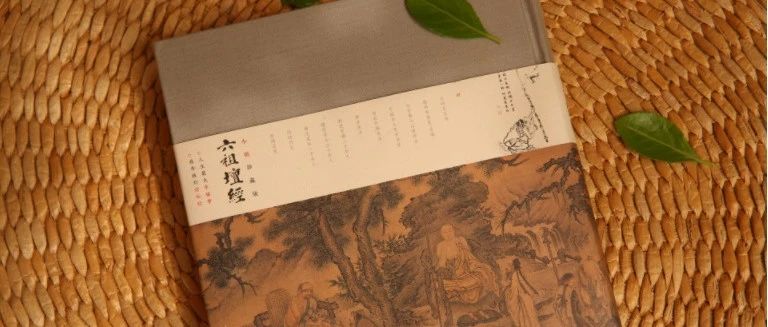
史上最美小楷《六祖坛经》,让您走入禅宗顿悟的神奇之门!
首席商业评论· 2025-06-14 04:26
Core Viewpoint - The article emphasizes the significance of the "Platform Sutra of the Sixth Patriarch" by Huineng as a vital text in Chinese Buddhism, regarded as a must-read for personal development and understanding of Zen principles [9][12][47]. Group 1: Importance of the "Platform Sutra" - The "Platform Sutra" is considered a unique Buddhist text, being the only one referred to as a "sutra" in Chinese Buddhism, highlighting its exceptional status [6][22]. - Influential figures, including Chairman Mao and renowned scholars like Qian Mu, have recognized the "Platform Sutra" as essential reading, placing it alongside other classic texts like "The Analects" and "Tao Te Ching" [10][12]. - The text is recommended for all ages, with the notion that it provides insights relevant to different life stages, making it beneficial to read at any time [12][27]. Group 2: Huineng's Life and Teachings - Huineng, originally a woodcutter, became the Sixth Patriarch of Zen Buddhism, illustrating a remarkable journey from humble beginnings to spiritual enlightenment [5][14]. - His teachings emphasize the concept of inherent Buddha-nature in all beings, advocating for an internal search for enlightenment rather than external pursuits [27][28]. - The "Platform Sutra" contains ten chapters, each addressing different aspects of Zen practice and philosophy, including the nature of wisdom, meditation, and the importance of self-awareness [25][39]. Group 3: Versions and Accessibility of the Text - The "Platform Sutra" has multiple versions due to historical transcription and publication, with the most popular being the one compiled by the monk Zongbao during the Yuan Dynasty [41][43]. - A newly published edition, the "Small Calligraphy Edition of the Platform Sutra," combines calligraphy, illustrations, and modern interpretations, making it accessible for contemporary readers [40][45][47]. - This edition aims to facilitate understanding of Zen principles, allowing readers with no prior knowledge of Buddhism to engage with the text meaningfully [47].