文学革命

Search documents
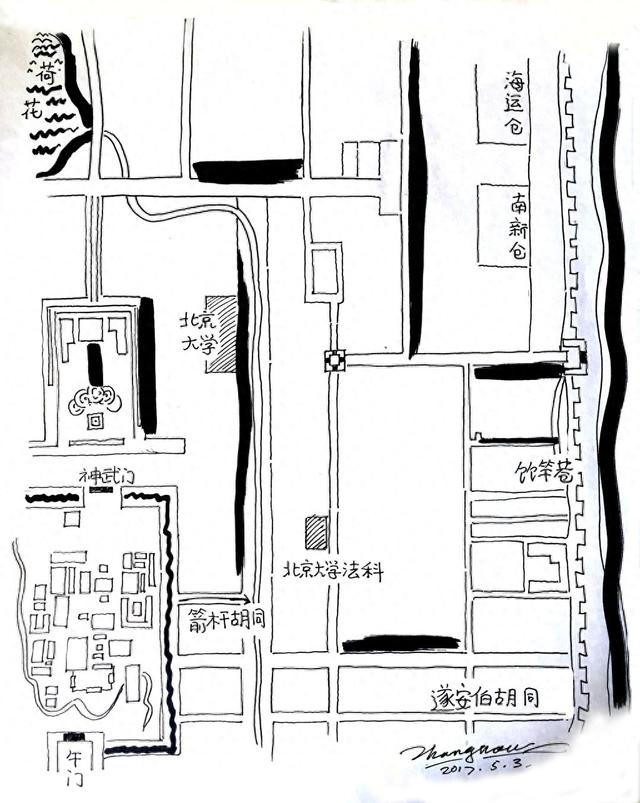
季剑青:1917年北京新文化地图
Xin Lang Cai Jing· 2026-02-03 00:22
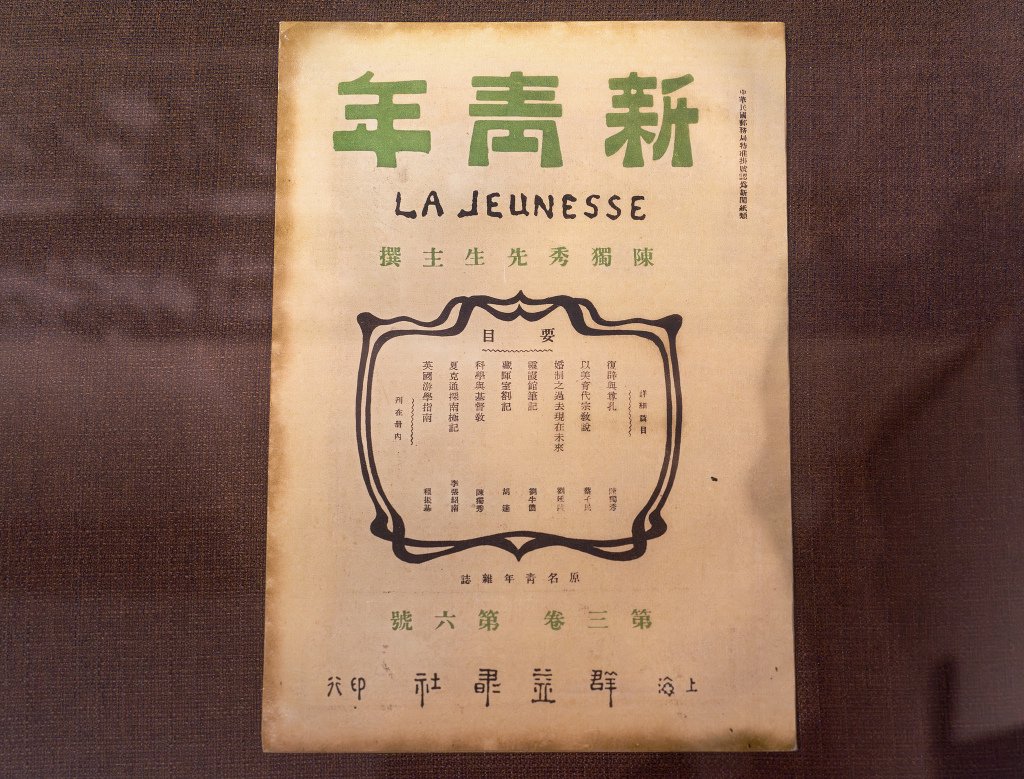
Core Viewpoint The early Republican era in Beijing was characterized by a political atmosphere heavily influenced by bureaucratic practices and party conflicts, which permeated various sectors including education and journalism. Despite the corruption and challenges, there were emerging cultural movements and new educational reforms that began to reshape the intellectual landscape. Group 1: Political Environment - The political life in Beijing reached a peak of corruption during Yuan Shikai's self-proclamation as emperor in 1916, leading to a revival of the National Assembly after his death, with over 70 newspapers being revived or newly established [2] - The majority of newspapers continued to serve as tools for political parties or profit-driven entities, lacking vitality [2] - The political climate in Beijing significantly impacted the ability of intellectuals to express independent views, as seen with figures like Li Dazhao who faced challenges in publishing [2][3] Group 2: Educational Reforms - Cai Yuanpei's appointment as president of Peking University in 1917 marked a significant shift, emphasizing the importance of academic research over the pursuit of government positions [5] - Major reforms were implemented in the university's curriculum, particularly in the liberal arts and sciences, fostering a culture that valued scholarship [5] - The collaboration between Peking University and the publication "New Youth" created a new cultural space that contributed to the New Culture Movement [6][12] Group 3: Cultural Movements - The New Culture Movement gained momentum with the publication of influential articles in "New Youth," such as Hu Shi's and Chen Duxiu's works, which resonated with students and intellectuals [6][12] - The establishment of the National Language Research Society in 1916 highlighted the growing awareness of the need for linguistic reform, which was supported by figures like Cai Yuanpei and Hu Shi [11] - By the end of 1917, Peking University had transformed significantly, with various student organizations emerging and the university becoming a central hub for new cultural and political ideas [12]

罗志田:文学革命的社会功能与社会反响
Xin Lang Cai Jing· 2025-05-04 04:25
Group 1 - The literary revolution during the New Culture Movement is often misunderstood, with scholars like Hu Shi and Zhou Zuoren noting that the success of this movement is often overestimated [1][2] - Hu Shi emphasized that the literary revolution was a deliberate effort to elevate popular novels to their rightful place in Chinese literary history, indicating a significant shift in societal values [3][4] - The interaction between societal changes and the development of thought is crucial for understanding the literary revolution and the New Culture Movement [2][3] Group 2 - The collaboration between Hu Shi and Chen Duxiu was pivotal for the rapid success of the literary revolution, with their differing approaches complementing each other [4][5] - Hu Shi's initial expectation was that the vernacular movement would take 25 to 30 years to succeed, while Chen Duxiu's assertive stance helped garner significant attention for the movement [4][5] - The disconnect between Western-educated students and domestic intellectual discourse highlighted the need for better communication and engagement with the broader society [5][6] Group 3 - The literary revolution aimed to raise the status of popular literature, thereby enhancing the role of the reading public, particularly marginalized readers [3][4] - The movement provided a pathway for marginalized readers to become more engaged and active participants in the literary landscape [3][4] - The relationship between the proponents of the literary revolution and the general public reflects a broader trend of challenging traditional hierarchies in society [3][4] Group 4 - The misunderstanding of the literary revolution's success is evident in the limited readership of vernacular literature, which primarily attracted a specific segment of the population rather than the general public [25][26] - The actual readers of new literary works were often young, marginal intellectuals who aspired to ascend to elite status, rather than the broader populace [26][30] - The literary revolution's impact was more pronounced among intellectuals and aspiring elites, indicating a disconnect with the general public [32][34]