
文物捐赠与处置

Search documents
南京博物院藏仇英名作现身拍卖市场,最新消息
第一财经· 2025-12-19 01:12
Core Viewpoint - The recent auction of the Ming Dynasty painting "Jiangnan Spring" by Qiu Ying has sparked discussions regarding the recognition and handling of donated items by state-owned museums, as well as the protection of the rights of art donors [1] Group 1: Donation and Authentication Issues - The painting "Jiangnan Spring" was part of a donation of 137 pieces made by the family of renowned collector Pang Laichen to the Nanjing Museum in 1959, which included a receipt and inventory of the donated items [2] - Pang Shuling, the granddaughter of Pang Laichen, asserts that the museum's claim that five pieces, including "Jiangnan Spring," are forgeries has severely damaged her family's reputation [2] - The Nanjing Museum provided expert authentication records from 1961 and 1964, which concluded that "Jiangnan Spring" was a forgery [2][3] Group 2: Legal Proceedings and Claims - In June 2025, Pang Shuling and her lawyer discovered that five artworks, including "Jiangnan Spring," were missing from the museum's collection, which the museum claimed were removed due to being identified as forgeries [3] - A lawsuit was filed by Pang Shuling against the Nanjing Museum, demanding clarification on the whereabouts of the missing artworks and their return [3] Group 3: Museum's Handling of Artworks - Historical records indicate that in 1986, the Ministry of Culture established guidelines for museum collections, leading to the review and eventual removal of certain artworks from the Nanjing Museum's collection [4] - The painting "Jiangnan Spring" was officially removed from the museum's records in May 1997 and was sold in 2001 for 6,800 yuan, labeled as a "copy of Qiu Ying's landscape scroll" [4][6][8] Group 4: Legal and Ethical Considerations - The legal representatives argue that ownership of the donated items transferred to the museum upon donation, and the current laws do not obligate the museum to return items deemed forgeries [8][9] - Industry experts emphasize the importance of ensuring the legitimacy of artwork provenance, suggesting that the Nanjing Museum must provide clear evidence of compliance when the painting was removed from its collection [9] Group 5: Regulatory Response - The incident has attracted the attention of relevant authorities, who plan to establish an investigation team to look into the matter [10]

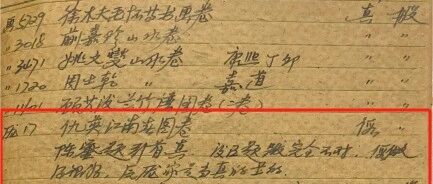
“南京博物院藏仇英名作现身拍卖市场”追踪
Xin Hua She· 2025-12-18 16:30
Core Viewpoint - The recent auction of the Ming Dynasty painting "Jiangnan Spring" by Qiu Ying has sparked significant attention regarding the recognition and handling of donated items by state-owned museums, as well as the protection of the rights of art donors [1] Group 1: Donation and Provenance - The painting "Jiangnan Spring" was part of a donation of 137 pieces made by the family of renowned collector Pang Laichen to the Nanjing Museum in 1959, with official receipts provided for the donation [2] - Pang Shuling, the granddaughter of Pang Laichen, asserts that the items donated are genuine and that the museum's claim of five pieces being forgeries has severely damaged her family's reputation [2] Group 2: Disappearance and Legal Action - In June 2025, it was discovered that five artworks, including "Jiangnan Spring," were missing from the museum's collection, which the museum claimed were removed due to being classified as forgeries [3] - A lawsuit was filed by Pang Shuling against the Nanjing Museum, demanding clarification on the whereabouts of the missing artworks and their return [3] Group 3: Historical Context and Management - The Nanjing Museum's decision to classify certain artworks as unsuitable for collection dates back to a 1986 management regulation, leading to the eventual sale of "Jiangnan Spring" in 2001 for 6,800 yuan, labeled as a copy [4] - The process of determining the status of the artworks spanned several decades, during which the Pang family was unaware of the museum's actions regarding their donated items [5] Group 4: Legal and Ethical Considerations - Legal representatives argue that the ownership of the donated items transferred to the museum upon donation, and current laws do not obligate the museum to return items classified as forgeries [6] - Industry experts emphasize the importance of ensuring the provenance of artworks in the market, suggesting that the museum must provide clear evidence of compliance when items are removed from its collection [6] Group 5: Regulatory Response - The incident has garnered attention from relevant authorities, leading to the formation of an investigation team to look into the matter [7]