文物捐赠与管理

Search documents
江苏成立专班后,捐赠者后人发声
Xin Lang Cai Jing· 2025-12-18 11:04
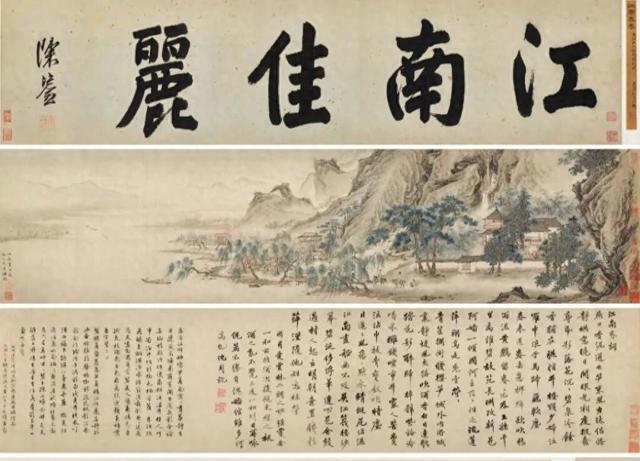
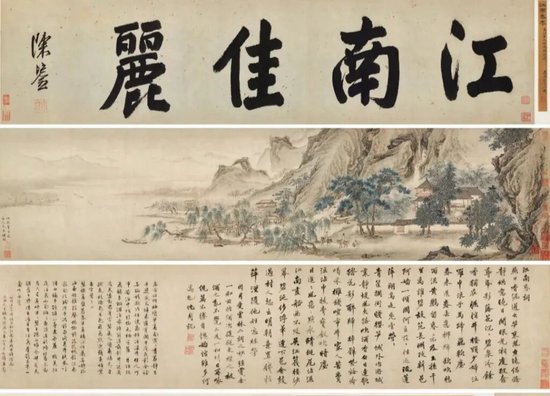
Core Viewpoint - The controversy surrounding the donation of valuable artworks by the descendants of Pang Laichen to the Nanjing Museum has escalated after one of the donated pieces, a Ming Dynasty painting, appeared at an auction, prompting investigations and legal actions [1][19]. Group 1: Background of the Donation - Pang Laichen (1864-1949) was a renowned collector in modern China, known for his exceptional collection of ancient paintings, which were donated to various state cultural institutions, with the Nanjing Museum receiving the most, totaling 137 pieces [2][20]. - The donated artworks included significant pieces that have become treasures of the institutions [20]. Group 2: Legal Actions and Investigations - Pang Laichen's great-granddaughter, Pang Shuling, has filed a lawsuit against the Nanjing Museum, questioning how the donated painting, "Jiangnan Spring," ended up in the auction market and demanding the return of five missing artworks [4][22]. - The Nanjing Museum has acknowledged receiving court documents regarding the dispute and stated that they will cooperate with the investigation into the five disputed artworks, which were previously deemed forgeries by expert panels [5][24]. Group 3: Public and Government Response - The Jiangsu Provincial Department of Culture and Tourism has formed a task force to investigate the matter, indicating that if any illegal activities are found, appropriate actions will be taken [1][19]. - Pang Shuling expressed her expectation for a thorough investigation and accountability for those responsible for the artworks' disappearance [1][19].

独家|馆藏作品现身拍卖市场,“颠覆了我对博物馆的认知”
Xin Lang Cai Jing· 2025-12-17 16:09
Core Viewpoint - The article discusses a legal dispute involving the descendants of Chinese collector Pang Laishen and the Nanjing Museum regarding the disappearance of valuable donated artworks, particularly the Ming Dynasty painting "Jiangnan Spring" by Qiu Ying, which resurfaced at an auction with an estimated value of 88 million yuan [1][5][20]. Group 1: Background of the Donation - Pang Laishen, a prominent collector, donated 137 pieces of ancient paintings to the Nanjing Museum in 1959, which were recognized as significant cultural artifacts [5][12]. - The Nanjing Museum issued receipts and certificates acknowledging the donation, affirming the value and authenticity of the artworks [10][11]. Group 2: Legal Actions and Disputes - Pang Laishen's great-granddaughter, Pang Shuling, filed a lawsuit against the Nanjing Museum, questioning how the donated painting ended up in the auction market and demanding the return of the missing artworks [1][20][38]. - The Nanjing Museum claimed that five of the donated artworks, including "Jiangnan Spring," were identified as forgeries and subsequently removed from their collection, but did not provide clear documentation of their whereabouts [20][22][33]. Group 3: Auction Incident - The painting "Jiangnan Spring" was unexpectedly listed at an auction in Beijing with a starting price of 88 million yuan, prompting Pang Shuling to report the incident to the authorities, leading to the auction's cancellation [1][20][27]. - The auction's revelation raised questions about the museum's management and the integrity of the donation process, as the painting was previously considered a significant cultural asset [27][38]. Group 4: Museum's Response and Public Trust - The Nanjing Museum has not provided satisfactory explanations regarding the missing artworks and their classification as forgeries, leading to public skepticism about the museum's handling of donated items [27][40]. - Experts in the field have emphasized the importance of transparency and proper procedures in managing donated artworks, highlighting the need for museums to respect the wishes of donors [37][38].