
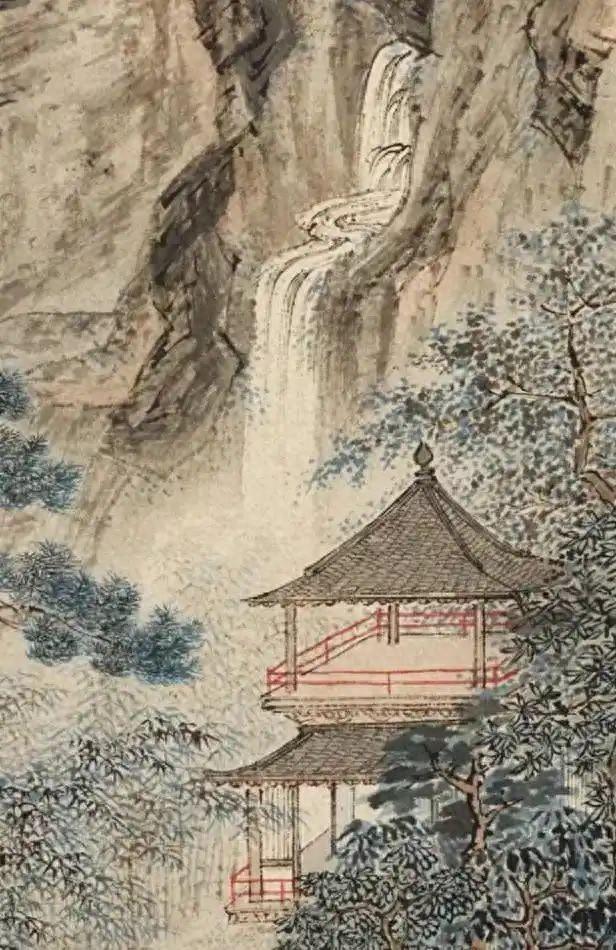
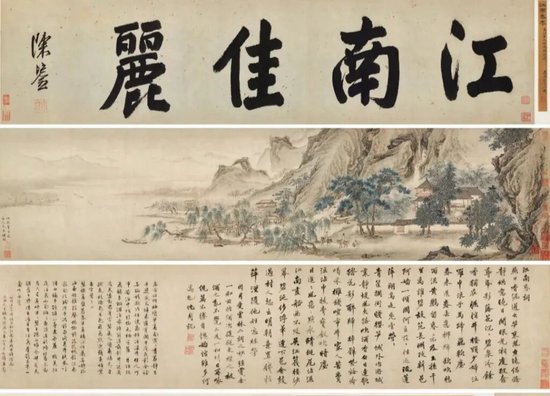
明代仇英《江南春》图卷

Search documents
捐出去的藏品不该成为“泼出去的水”
Xin Lang Cai Jing· 2026-01-11 23:23
Core Viewpoint - The recent incident involving the donation of a Ming Dynasty painting to the Nanjing Museum has raised significant concerns about the management and rights associated with cultural relic donations, highlighting a trust crisis between collectors and museums [2][3]. Group 1: Donation Practices and Obligations - Cultural relic donations are often conditional gifts, where the museum must fulfill certain obligations as per the donation agreement, reflecting the donor's wishes and the museum's capabilities [4][5]. - The Civil Code allows for donations to be accompanied by obligations, meaning museums must adhere to the terms set forth in the donation agreements [5]. - Museums are encouraged to respect the donor's intentions regarding the collection, preservation, and exhibition of donated items, as stipulated by the Cultural Relics Protection Law [5]. Group 2: Legal Framework and Management - The Cultural Relics Protection Law outlines that museums must classify relics, maintain archives, and establish strict management systems, which are essential for the legal protection of collections [9]. - The process of accepting donations typically includes communication, evaluation, agreement signing, and detailed record-keeping to ensure legality and compliance [6][9]. - Experts emphasize the necessity of setting collection standards to filter out non-compliant items, particularly to avoid the acceptance of counterfeit relics [7]. Group 3: Issues of Trust and Transparency - The incident involving the Nanjing Museum has revealed a lack of transparency and communication regarding the status of donated items, leading to disputes over ownership and authenticity [8][12]. - There is a call for improved mechanisms for monitoring and supervising the management of donated relics, ensuring that donors can inquire about the use and management of their contributions [12][15]. - The public's concern over the management of cultural relic donations has prompted investigations into the practices of museums, indicating a demand for more standardized and transparent donation processes [16].

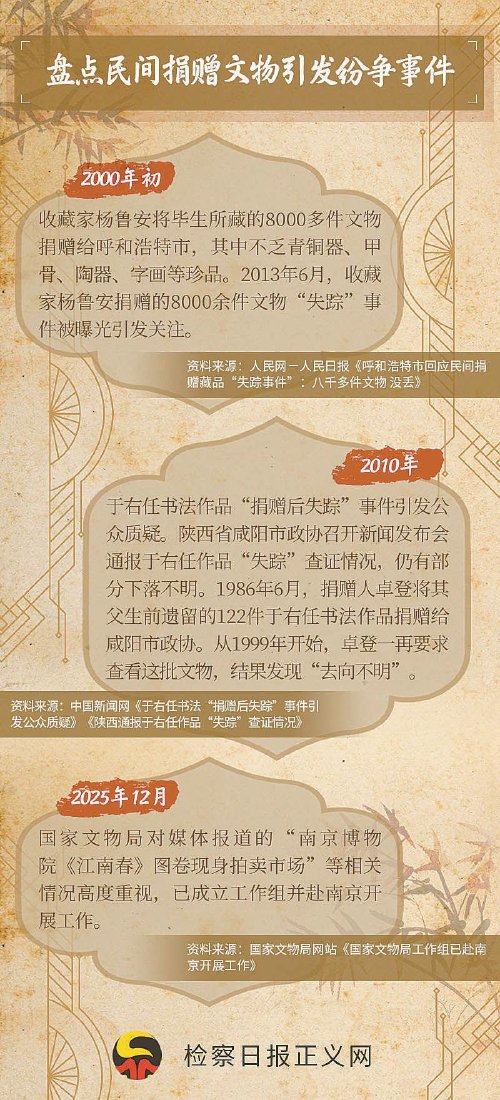
江苏省委省政府成立调查组,全面调查南京博物院文物管理问题
Xin Lang Cai Jing· 2025-12-23 05:27
Core Viewpoint - The Jiangsu Provincial Government has established an investigation team to address issues related to the management of cultural relics at the Nanjing Museum, following public concern over the disappearance of donated artworks [1][2]. Group 1: Investigation and Response - The investigation team comprises multiple departments, including the Discipline Inspection Commission, Public Security, and Cultural Heritage, to thoroughly investigate the management issues and ensure the safety of national cultural relics [1]. - The National Cultural Heritage Administration has also formed a working group to verify the circumstances surrounding the management of cultural relics at the Nanjing Museum [1]. Group 2: Controversial Artwork - A significant controversy arose when a Ming Dynasty painting, "Jiangnan Spring," attributed to Qiu Ying, was found at an auction house with an estimated value of 88 million yuan, despite being part of a donation to the museum in 1959 [2]. - The descendants of the original donor, Pang Laichen, discovered that five of the donated artworks were missing, leading to legal actions against the museum for the return of the artworks [2][3]. Group 3: Museum's Position - The Nanjing Museum stated that the five disputed artworks were previously identified as forgeries by expert panels in the 1960s and were disposed of in accordance with museum management regulations in the 1990s [3][4]. - The museum is currently reviewing the circumstances surrounding the disposal of these artworks and will cooperate with authorities if any illegal actions are found [3]. Group 4: Historical Context - Historical records indicate that the "Jiangnan Spring" painting was deemed a forgery in the 1990s and subsequently transferred to the Jiangsu Provincial Cultural Store, where it was sold for 6,800 yuan in 2001 [4]. - The museum's former director acknowledged the need for a thorough investigation and emphasized that he had no involvement in the decision-making process regarding the disputed artworks [4]. Group 5: Government Oversight - The Jiangsu Provincial Department of Culture and Tourism has formed a task force to investigate the matter and will take appropriate actions based on the findings [5]. - The investigation results will be made public to ensure transparency and accountability in the handling of cultural relics [5]. Group 6: Museum Profile - The Nanjing Museum is a significant cultural institution in China, housing over 430,000 items, and is recognized as a national first-class museum and a demonstration base for patriotic education [6].
国家文物局成立工作组,就南京博物院文物管理有关情况开展核查
Xin Lang Cai Jing· 2025-12-23 02:02
Core Viewpoint - The incident involving the auction of the Ming Dynasty painting "Jiangnan Spring" by Qiu Ying, which was previously donated to the Nanjing Museum, has raised significant public concern and prompted an investigation by the National Cultural Heritage Administration [1][2]. Group 1: Incident Overview - The Nanjing Museum received a donation of 137 ancient paintings from the descendants of renowned collector Pang Laichen in 1959, but five of these paintings, including "Jiangnan Spring," were reported missing [1]. - The painting "Jiangnan Spring" was recently appraised at 88 million yuan and appeared in an auction preview in Beijing, leading to its withdrawal after intervention from the cultural heritage authorities [1][2]. - Pang Shuling, a descendant of Pang Laichen, has filed a court application for the museum to provide detailed records of the missing paintings' whereabouts [1]. Group 2: Museum's Response - The Nanjing Museum acknowledged receiving court materials regarding a "donation contract dispute" and confirmed the donation of 137 paintings in January 1959 [2]. - The five disputed paintings were identified as forgeries by expert groups in 1961 and 1964, and the museum disposed of them in accordance with the "Museum Collection Management Measures" in the 1990s [2]. - The museum is currently investigating the whereabouts of the five disputed paintings and will cooperate with authorities if any illegal actions are found during the disposal process [2]. Group 3: Historical Context - Historical records indicate that the Nanjing Museum followed the "Museum Collection Management Measures" established in June 1986 to review and dispose of paintings deemed unsuitable for collection [3]. - The painting "Jiangnan Spring" was confirmed as a forgery and was transferred to the Jiangsu Provincial Cultural Department for disposal, eventually sold for 6,800 yuan in 2001 [3]. - Pang Shuling and her legal representatives argue that as descendants of the donor, they have the right to know the fate of the donated items and criticize the museum for not informing them about the disposal process [3]. Group 4: Government Involvement - The Jiangsu Provincial Department of Culture and Tourism has established a task force to investigate the incident and will take appropriate legal actions if any violations are found [4].
南博古画失踪变拍品,提级调查绝非简单“兜底”
Xin Lang Cai Jing· 2025-12-19 19:25
Core Viewpoint - The controversy surrounding the donation of the Ming Dynasty painting "Jiangnan Spring" highlights significant issues in the management of cultural relics and the treatment of donors, necessitating a higher-level investigation to ensure accountability and transparency in the industry [1][2] Group 1: Donation Controversy - The painting, initially sold for 6,800 yuan, is now estimated at 88 million yuan, raising questions about the handling of donations over decades [1] - The Nanjing Museum's claim of ownership and subsequent disposal of the painting as a "forgery" without informing the donor's family reflects a severe lack of responsibility and transparency [1] - The failure to communicate with the donor's family until the painting was about to be auctioned has damaged trust in public donations and the reputation of the donors [1] Group 2: Regulatory and Ethical Implications - The upcoming investigation aims to clarify the procedures and responsibilities in the handling of cultural relics, emphasizing the need for compliance with legal and ethical standards [2] - The investigation seeks to establish clear guidelines for the treatment of donors, reinforcing that respecting donor intentions is a fundamental obligation for cultural institutions [2] - Ensuring transparency and emotional respect in the process of relic disposal is essential for restoring trust in the industry and encouraging future donations [2]

新华社:仇英江南春2001年以6800元价格卖出
Bei Jing Wan Bao· 2025-12-18 23:20
Core Viewpoint - The recent auction of the Ming Dynasty painting "Jiangnan Spring" by Qiu Ying has raised significant attention, revealing a complex history of its management and eventual sale by the Nanjing Museum [1] Group 1: Historical Context - In June 1986, the Ministry of Culture established the "Museum Collection Management Measures" to regulate museum artifacts [1] - The Nanjing Museum conducted a review of certain artworks deemed unsuitable for collection, leading to a report submitted to the Jiangsu Provincial Cultural Department in April 1997 [1] - The Jiangsu Provincial Cultural Department approved the transfer of these artifacts for further handling in April 1997 [1] Group 2: Auction Details - The painting "Jiangnan Spring," identified as a forgery by experts, was transferred to the original Jiangsu Provincial Cultural Store in May 1997 [1] - On April 16, 2001, the painting was sold for 6,800 yuan, with the sales receipt indicating it as "Imitation Qiu Ying Landscape Scroll" [1]
果然视频|南京博物院馆藏现身市场?参观预展人士:不像是仿品
Qi Lu Wan Bao· 2025-12-18 14:57
Core Viewpoint - A Ming Dynasty painting by Qiu Ying, titled "Spring in Jiangnan," which was donated to the Nanjing Museum by the descendants of renowned collector Pang Laichen, has reportedly appeared at an auction in Beijing with an estimated value of 88 million yuan, raising significant public interest [1]. Group 1 - The painting "Spring in Jiangnan" is attributed to the Ming Dynasty artist Qiu Ying and has been valued at 88 million yuan [1]. - A visitor to the auction preview, Mr. Pan, who comes from a family of painters and studied at the Central Academy of Fine Arts, expressed that the painting's intricate details are impressive and do not resemble a replica [1].
捐赠藏品现身拍卖市场?公众期待更详实的调查结论
Zhong Guo Qing Nian Bao· 2025-12-18 12:27
Core Viewpoint - The recent appearance of the Ming Dynasty painting "Jiangnan Spring" by Qiu Ying at an auction has raised significant public concern, leading to its withdrawal from sale after intervention by the National Cultural Heritage Administration and a report from the descendant of the original donor [3][4]. Group 1: Auction Incident - The painting "Jiangnan Spring" was estimated at 88 million yuan and was set to be auctioned in Beijing before being withdrawn due to legal disputes regarding its ownership [3]. - The Nanjing Museum received 137 pieces of ancient paintings and calligraphy from the family of collector Pang Laichen in the 1950s, which included the disputed painting [3][4]. - Five other donated artworks are currently unaccounted for, raising questions about their whereabouts and the museum's handling of these items [3][4]. Group 2: Museum's Response - The Nanjing Museum stated that it is cooperating with legal proceedings and will investigate the status of the five disputed artworks, promising to address any illegal actions if found [3][4]. - The museum's explanation regarding the disposal of the artworks previously identified as forgeries lacks transparency, particularly concerning the process and whether the donor was informed [4]. - The Jiangsu Provincial Department of Culture and Tourism has initiated a joint investigation into the matter, indicating a higher-level oversight to ensure accountability [4]. Group 3: Broader Implications for Cultural Institutions - The incident highlights the growing public interest in cultural heritage and the need for museums to enhance their management and protection of donated items [5]. - There is a call for cultural institutions to review their processes and improve transparency to maintain public trust and ensure the preservation of cultural artifacts [5].
【评论】争辩捐赠古画真伪,须先查清现身拍卖场真相
Xin Lang Cai Jing· 2025-12-18 11:37
Core Viewpoint - The ongoing dispute between the descendants of collector Pang Laichen and the Nanjing Museum regarding the authenticity and handling of the Ming Dynasty painting "Jiangnan Spring" has raised significant public concern, particularly after the painting appeared in a recent auction in Beijing despite being previously deemed a forgery by the museum [1][2]. Group 1 - The Nanjing Museum stated that five disputed paintings, including "Jiangnan Spring," were identified as forgeries after two rounds of authentication and were subsequently removed from the collection [1][2]. - The museum has not provided clear documentation regarding the allocation and handling of these paintings, which raises questions about compliance with national regulations on museum collection management [2]. - The auction house's decision to list "Jiangnan Spring" with an estimated value of 88 million yuan suggests potential fraudulent activity, as it is difficult to mislead a company that manages substantial commercial interests [3]. Group 2 - The investigation into the handling of the donated paintings is critical, as the museum is required to respect the donor's wishes and follow proper procedures for the management of cultural relics [2][3]. - The Jiangsu Provincial Department of Culture and Tourism has initiated a joint investigation into the matter, emphasizing the need for clarity and resolution to restore trust in the museum's integrity and the cultural donation system [4]. - The outcome of this dispute could have broader implications for the museum's professional ethics and public image, as well as the credibility of the cultural donation system in China [4].
江苏成立专班后,捐赠者后人发声
Xin Lang Cai Jing· 2025-12-18 11:04
Core Viewpoint - The controversy surrounding the donation of valuable artworks by the descendants of Pang Laichen to the Nanjing Museum has escalated after one of the donated pieces, a Ming Dynasty painting, appeared at an auction, prompting investigations and legal actions [1][19]. Group 1: Background of the Donation - Pang Laichen (1864-1949) was a renowned collector in modern China, known for his exceptional collection of ancient paintings, which were donated to various state cultural institutions, with the Nanjing Museum receiving the most, totaling 137 pieces [2][20]. - The donated artworks included significant pieces that have become treasures of the institutions [20]. Group 2: Legal Actions and Investigations - Pang Laichen's great-granddaughter, Pang Shuling, has filed a lawsuit against the Nanjing Museum, questioning how the donated painting, "Jiangnan Spring," ended up in the auction market and demanding the return of five missing artworks [4][22]. - The Nanjing Museum has acknowledged receiving court documents regarding the dispute and stated that they will cooperate with the investigation into the five disputed artworks, which were previously deemed forgeries by expert panels [5][24]. Group 3: Public and Government Response - The Jiangsu Provincial Department of Culture and Tourism has formed a task force to investigate the matter, indicating that if any illegal activities are found, appropriate actions will be taken [1][19]. - Pang Shuling expressed her expectation for a thorough investigation and accountability for those responsible for the artworks' disappearance [1][19].
江苏:已成立专班联合调查
Xin Lang Cai Jing· 2025-12-18 10:43
Group 1 - The core issue revolves around the controversy of a Ming Dynasty painting, "Jiangnan Spring," attributed to Qiu Ying, which was donated to the Nanjing Museum by the descendants of Pang Laishen but later appeared at an auction with an estimated value of 88 million yuan [1] - Pang Shuling, the granddaughter of Pang Laishen, has filed a lawsuit against the Nanjing Museum, questioning how the donated painting ended up in the auction market and demanding the return of the painting and other artworks that have "disappeared" from the museum [1] - The Nanjing Museum confirmed that it received 137 artworks from Pang Zenghe in 1959, and the five disputed paintings were identified as forgeries by expert groups in 1961 and 1964, leading to their disposal in the 1990s [2] Group 2 - The Jiangsu Provincial Department of Culture and Tourism has established a task force to investigate the matter, indicating that if any illegal actions are found during the investigation, appropriate measures will be taken according to the results [2]