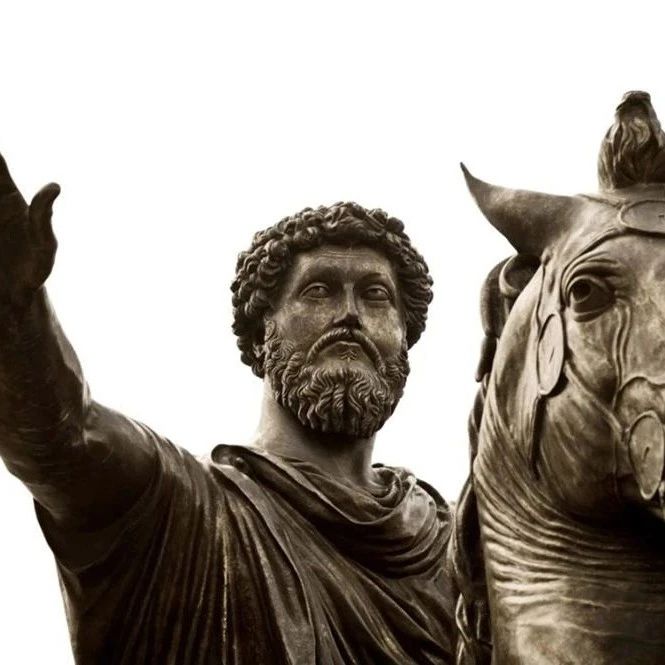
斯多葛式领导力

Search documents
为何当今商界领袖纷纷转向已有两千年历史的哲学思想
财富FORTUNE· 2025-05-12 13:03
Core Viewpoint - The article emphasizes the importance of Stoicism in leadership during uncertain times, highlighting that leaders need resilience, clarity, and self-discipline to navigate challenges effectively [1][2]. Group 1: Stoicism in Leadership - Stoicism, once practiced by ancient politicians like Marcus Aurelius and Seneca, is gaining renewed attention among modern corporate leaders [2]. - Contemporary practitioners of Stoicism include notable figures such as Jack Dorsey, Brad Feld, and Blake Irving, who apply its principles in their leadership styles [2]. - Stoic leadership is characterized by a focus on self-restraint, resilience, and rationality, encouraging leaders to concentrate on what they can control and make principled decisions amidst chaos [2][3]. Group 2: Decision-Making and Crisis Management - Leaders are advised to approach crisis management with a structured mindset, prioritizing issues and allocating resources effectively rather than reacting impulsively [3]. - Establishing a reliable communication network is crucial for leaders to identify potential issues before they escalate, aiming for proactive risk management rather than merely damage control [3]. Group 3: Long-Term Vision and Integrity - Successful leaders, such as Warren Buffett, exemplify Stoic principles through humility, long-term focus, and simplicity, emphasizing the importance of integrity and customer-centricity [4][6]. - The essence of Stoic leadership lies in recognizing what deserves attention and what can be disregarded, allowing leaders to act decisively in times of crisis [6].