新年文化

Search documents
安东·尼尔曼:一想到中国即将过春节,在乌克兰的我万般滋味涌上心头
Xin Lang Cai Jing· 2026-02-16 05:41
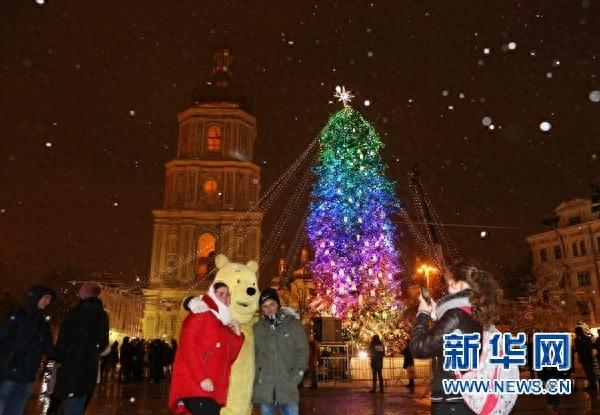
Group 1 - The article highlights the significance of New Year celebrations in different cultures, particularly focusing on the unique traditions of Ukraine and China [1][2][3] - It discusses the historical evolution of New Year celebrations in Ukraine, including the transition from the Julian calendar to the Gregorian calendar and the re-emergence of the Julian calendar in 2023 [3][4] - The article emphasizes the cultural importance of traditional customs during the Old New Year in Ukraine, such as singing carols and preparing specific dishes, which serve to strengthen cultural identity [6][7][8] Group 2 - The impact of the ongoing war in Ukraine on New Year celebrations is addressed, noting that many Ukrainians continue to celebrate despite the challenges, while others express uncertainty about the appropriateness of festivities [9][10] - The article describes how the atmosphere of New Year celebrations has changed due to the war, with adjustments made to traditional practices and a focus on creating a sense of warmth and comfort amidst adversity [10][11][12] - It highlights the resilience of the Ukrainian people in maintaining festive traditions, even in underground venues, and the importance of these celebrations for mental health and community bonding during difficult times [12][14][15]

红纸一剪年味浓
Xin Lang Cai Jing· 2026-02-02 23:09
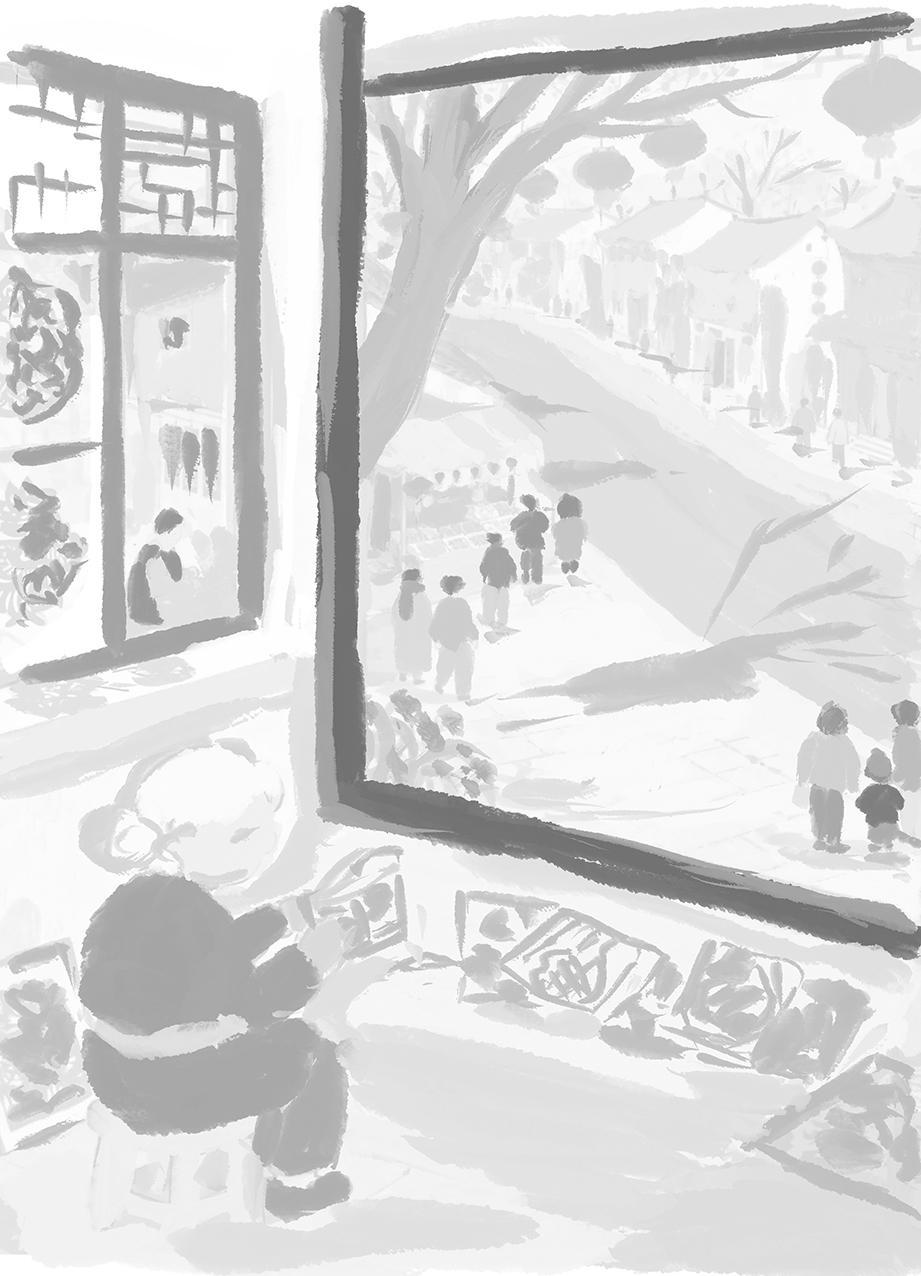
Core Viewpoint - The article highlights the cultural significance and vibrant traditions of paper-cutting in Gaomi, Shandong, particularly during the New Year celebrations, showcasing the local craftsmanship and community spirit associated with this art form [3][4][5]. Group 1: Cultural Significance - Gaomi is characterized by various red symbols, including "red sorghum culture," "pu gui year painting," "mud sculpture," and "paper-cutting," all of which contribute to a sense of abundance and cultural richness during the New Year [3][4]. - The local paper-cutting art is renowned for its vitality and originality, with intricate designs that reflect the community's heritage and creativity [4]. Group 2: Community Engagement - The article describes lively scenes in Gaomi, where people participate in paper-cutting competitions, with winners receiving traditional red paper couplets, emphasizing the competitive yet festive atmosphere [4][5]. - Children are actively involved in learning and practicing paper-cutting, ensuring the tradition is passed down to future generations while also incorporating modern themes into their creations [5][6]. Group 3: Artistic Expression - The paper-cutting art features various themes, including traditional motifs like children and auspicious symbols, which convey messages of prosperity and good fortune [5][6]. - A large interactive paper-cutting display allows visitors to engage with the art form, symbolizing the connection between the community and its cultural heritage [6].