无人驾驶空中交通

Search documents
650万元售价,亿航智能造出了低空经济的“Model S”?
美股研究社· 2025-10-16 10:13
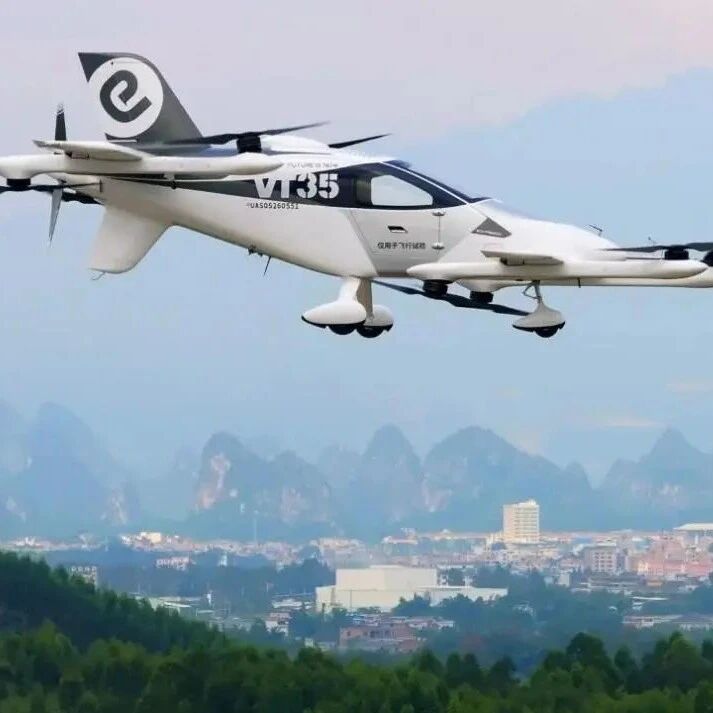
Core Insights - The low-altitude economy is approaching a transformative moment similar to Tesla's impact on the electric vehicle market, with significant advancements in unmanned aerial vehicles (UAVs) and commercial applications emerging [4][15]. Group 1: Market Developments - Recent developments in the low-altitude economy include the launch of EHang's VT35, XPeng's flying car demonstration in Dubai, and the introduction of Meituan's drone delivery service in Shenzhen, indicating a maturation of the domestic unmanned aerial traffic sector [3][8]. - EHang's VT35 has a design range of approximately 200 kilometers and a price of 6.5 million yuan, marking a new phase in the exploration of scalable commercial applications for urban and intercity low-altitude transportation [3][19]. Group 2: Key Transformations - Three key transformations signal the low-altitude economy's transition into a phase of value realization: 1. Commercial logic validation, with increasing orders confirming market expectations, such as EHang's delivery of 68 EH216 series aircraft and XPeng's 600-unit order for its flying car [9][12]. 2. Application scenarios expanding from logistics trials to a comprehensive traffic network, exemplified by Meituan's operational drone services and EHang's collaborative use of VT35 and EH216-S for urban and intercity transport [13]. 3. A global approach to growth, with Chinese companies like EHang and XPeng establishing international operations and partnerships, showcasing their competitive edge in technology and business models [14][25]. Group 3: Technological and Economic Implications - The eVTOL industry is experiencing breakthroughs in range and cost, with EHang's VT35 offering a range of 200 kilometers and a price significantly lower than competitors, facilitating its entry into the commercial market [19][20]. - The supportive policy environment, such as Shenzhen's financial incentives for certified eVTOL companies, enhances the industry's growth prospects and reduces operational costs for manufacturers [20][21]. - The low-altitude economy is projected to reach a market size of 5.8 trillion yuan by 2025 and potentially exceed 3.5 trillion yuan by 2035, indicating substantial growth potential across various applications beyond transportation [25][26].