日中关系

Search documents
部分日本民众举行交流会 批评高市错误言论
Zhong Guo Xin Wen Wang· 2026-02-12 06:16
Group 1 - The core viewpoint of the articles is that Japanese Prime Minister Sanna Takashi's remarks regarding Taiwan are seen as dangerous and damaging to Japan-China relations, prompting calls for her to retract her statements and apologize [1][3][5] - Participants in the events express concern that Takashi's comments undermine the foundation of Japan-China friendship and emphasize the need for a political consensus of "not posing threats to each other" [3][6] - There is a strong apprehension regarding potential amendments to Japan's pacifist constitution, particularly Article 9, which could lead Japan back to a state capable of waging war, as highlighted by experts and participants [1][5]

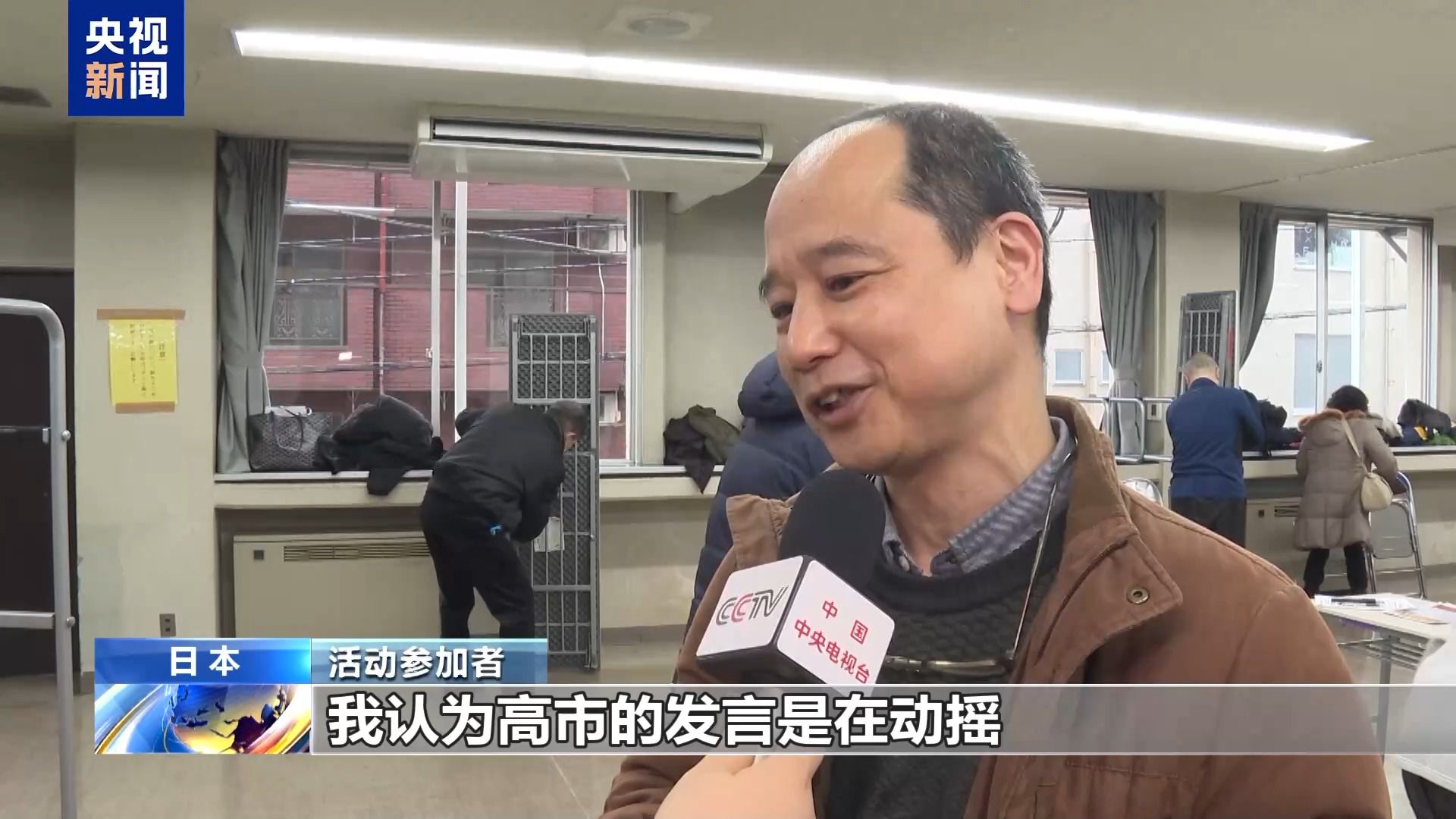
视频丨部分日本民众举行交流会 批评高市错误言论
Yang Shi Xin Wen Ke Hu Duan· 2026-02-12 05:38
Core Viewpoint - Japanese Prime Minister Sanae Takaichi's remarks regarding Taiwan have sparked criticism from the public, who view her statements as a dangerous attempt to challenge Japan's "peace constitution" [1][3]. Group 1: Public Reaction - Some Japanese citizens held meetings in Chiba and Tokyo to express their discontent with Takaichi's comments, labeling them as erroneous and dangerous [1]. - Participants in these events emphasized that Takaichi's statements undermine the foundation of Japan-China friendship and called for her to retract her comments regarding Taiwan [5][6]. - Concerns were raised about potential amendments to Japan's constitution and the implications for future Japan-China relations, with participants expressing strong disapproval of Takaichi's remarks [6][8]. Group 2: Historical Context - Sun Zaki, director of the Japan East Asia Community Institute, highlighted that Taiwan is an inseparable part of Chinese territory, a commitment previously made by Japan, and Takaichi's statements contradict this promise and the 1972 Japan-China Joint Communiqué [3]. - The potential modification of Article 9 of the "peace constitution" is viewed as a move that could lead Japan back to a state capable of waging war, which is considered highly dangerous [3].
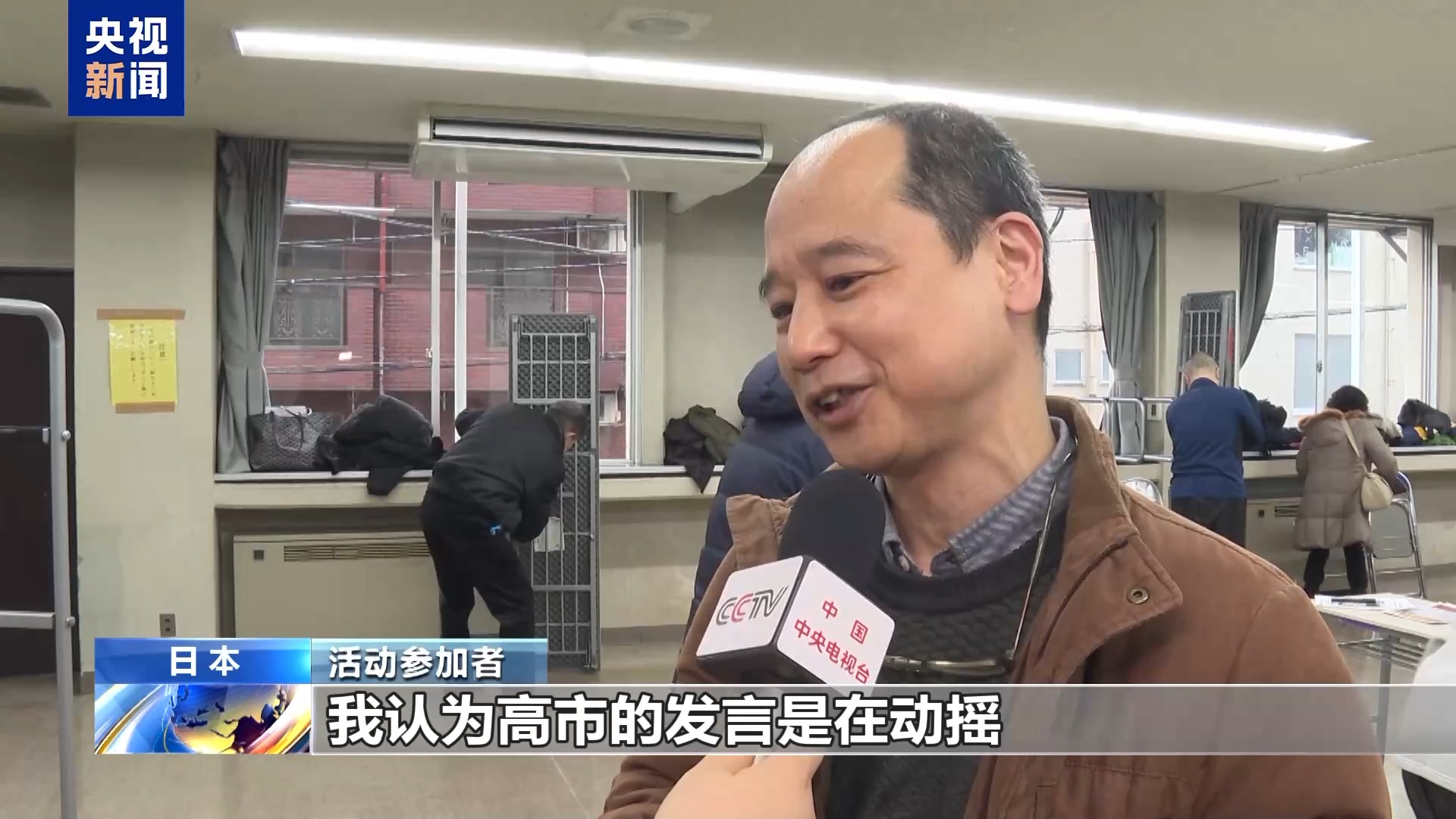
丨部分日本民众举行交流会 批评高市错误言论
Yang Shi Xin Wen Ke Hu Duan· 2026-02-12 02:13
Group 1 - The core viewpoint of the articles is that Japanese Prime Minister Sanae Takaichi's remarks regarding Taiwan are seen as dangerous and damaging to Japan-China relations, with calls for her to retract her statements and apologize [1][3][5] - Participants in the events express strong concerns that Takaichi's comments undermine the foundation of Japan-China friendship and could lead to a revision of Japan's pacifist constitution, which would allow Japan to engage in warfare [1][3][5] - There is a consensus among the participants that efforts should be made towards a political consensus of "not posing threats to each other," emphasizing the need for Takaichi to apologize for her statements [6]
日本有识之士批评高市早苗涉台错误言论
Xin Lang Cai Jing· 2026-01-30 22:49
Group 1 - The core viewpoint of the articles highlights concerns over Japanese Prime Minister Kishi's militaristic rhetoric and actions, which are perceived as escalating regional tensions and potentially leading Japan into conflict [1][2][3] - Former Prime Minister Yukio Hatoyama expressed worries that Kishi's actions are damaging Japan-China relations, which have been built on a deep cultural history, and emphasized the need for a stable and trusting relationship between the two nations [1] - Political scientist and former diplomat Kazuhiko Tōgō stated that Japan's national goal should be to prevent war in East Asia, advocating for a diplomatic approach that considers the perspectives of other nations [1] Group 2 - Professor Masakatsu Adachi pointed out that Kishi's administration is attempting to overturn existing security documents and significantly increase defense spending, which he believes is rooted in a military expansion agenda [2] - Former President of Hosei University, Yuko Tanaka, warned that the ongoing military expansion could lead to economic pressures that negatively impact the public and potentially trigger a new economic crisis, emphasizing that deteriorating Japan-China relations will have adverse effects on Japan [2] - Takakage Fujita, chairman of the "Inheritance and Development of the Murayama Statement Association," criticized Kishi's focus on military expansion as a dangerous path, noting that Kishi's recent comments on Taiwan continue to provoke controversy despite the risks involved [2] Group 3 - Professor Kumiko Haba cautioned that if Kishi aligns with other right-wing parties to secure a two-thirds majority in the Diet, it could pave the way for constitutional amendments and further preparations for war [3] - Haba highlighted the increasing risk of war as the generation that experienced it fades away, stressing the importance of educating the younger generation about the true intentions behind the narrative of a "China threat" [3]
综述|日本有识之士批评高市早苗涉台错误言论和军事扩张路线
Xin Hua She· 2026-01-30 03:41
Core Viewpoint - The gathering in Tokyo reflects widespread concern over Prime Minister Kishi's militaristic policies and statements regarding Taiwan, which are perceived as escalating regional tensions and potentially leading Japan into conflict [1][2][3]. Group 1: Military Expansion Concerns - Many speakers at the assembly expressed deep worries about Kishi's series of military expansion policies justified under the guise of security [2]. - Kishi's administration is attempting to overturn existing security documents, significantly increase defense spending, and propose nationalization of the military industry [2]. - The push for military expansion is seen as a direct threat to Japan's economic stability, potentially leading to a new economic crisis and negatively impacting citizens' lives [2]. Group 2: Diplomatic Relations with China - Former Prime Minister Yukio Hatoyama highlighted that Kishi's actions are damaging the Japan-China relationship, which has been stable since 1972, and called for a return to friendly relations [1][2]. - Political scholars emphasize that Japan's national goal should be to prevent war in East Asia, advocating for a diplomatic approach that considers China's perspective [1][3]. - The deterioration of Japan-China relations is increasingly evident in Japanese society, prompting Kishi to dissolve the House of Representatives and call for early elections to reshape the political landscape in his favor [2]. Group 3: Political Implications - Kishi's dissolution of the House of Representatives is viewed as a strategy to solidify his political base and continue his militaristic agenda [3]. - Concerns were raised that if Kishi aligns with other right-wing parties to secure a two-thirds majority in the Diet, it could pave the way for constitutional amendments and further militarization [3]. - The risk of war is perceived to be increasing as the generation that experienced war fades away, necessitating awareness among the youth regarding the true implications of the "China threat" narrative [3].
前首相鸠山由纪夫:“不能让她继续担任首相”
Xin Lang Cai Jing· 2026-01-29 16:41
Core Viewpoint - Japanese Prime Minister Fumio Kishida announced the dissolution of the House of Representatives and early elections, with analysts suggesting that this move is partly due to the ruling party's passive situation and tensions in Sino-Japanese relations following Kishida's controversial remarks regarding Taiwan [1]. Group 1 - The announcement of the early elections is seen as a response to the ruling party's challenging circumstances [1]. - Kishida's comments have led to public protests in Tokyo, with citizens demanding the retraction of his statements [1]. - The chairman of the "Inherit and Develop the Murayama Statement" group criticized Kishida's administration for prioritizing military expansion and viewing China as a "hypothetical enemy," labeling this approach as extremely dangerous [1]. Group 2 - Former Prime Minister Yukio Hatoyama spoke at the public gathering, condemning Kishida's remarks for damaging Sino-Japanese relations and urging voters to consider this when casting their ballots in the upcoming elections [1].
日本大阪民众举行交流会 反对高市错误言论
Yang Shi Xin Wen Ke Hu Duan· 2026-01-26 03:09
Core Viewpoint - The Japanese civil society group criticizes Prime Minister Sanae Takaichi's remarks regarding Taiwan, claiming they undermine the political foundation of Japan-China relations and urges her to retract them [2][4]. Group 1: Political Relations - Participants at the exchange meeting express that Takaichi's statements are extremely unacceptable and have nearly destroyed Japan-China relations, emphasizing the need for her retraction to prevent further deterioration [4]. - The group reflects on Japan's historical role as an aggressor and questions the extent of awareness regarding this past, indicating a need for reconciliation and understanding [2]. Group 2: Defense Spending and Domestic Issues - Takaichi's government has approved a defense budget of 9 trillion yen for the fiscal year 2026, which raises concerns among citizens facing rising living costs and economic difficulties [5]. - Participants voice their worries that increasing defense spending amidst domestic hardships could lead Japan towards militarization, questioning whether the focus should instead be on fostering friendly relations with neighboring countries like South Korea, China, and Southeast Asia [5].
日媒爆高市早苗或有大动作
第一财经· 2026-01-12 01:06
Group 1 - The core viewpoint of the article suggests that there are rumors within the Liberal Democratic Party (LDP) regarding the potential dissolution of the House of Representatives by Prime Minister Fumio Kishida during the regular Diet session on January 23, aimed at winning the House election and accelerating policy implementation, although opinions within the ruling party are divided [1] - The Asahi Shimbun analysis indicates that the calls for dissolving the House of Representatives have strengthened, with Kishida's controversial remarks regarding Taiwan contributing to the deterioration of Japan-China relations [1] - Experts interviewed by the Global Times express that Kishida's attempt to hold early elections is a strategy to legitimize his far-right policies by rallying public opinion, which could have profound destabilizing effects on regional geopolitical stability [1]
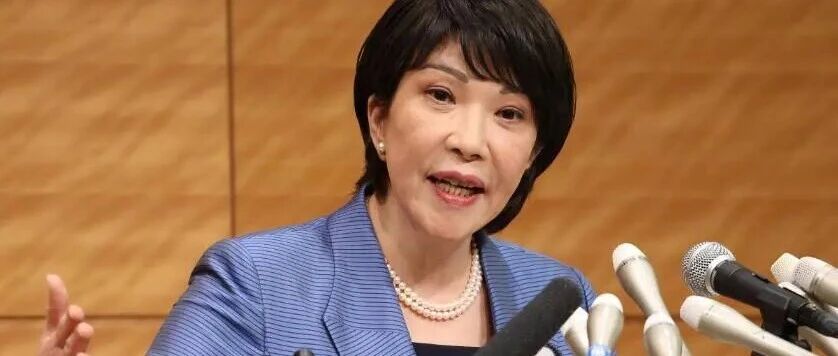
高市早苗与特朗普通话,细节披露
券商中国· 2026-01-03 06:16
Group 1 - The core viewpoint of the article highlights the upcoming visit of Japanese Prime Minister Fumio Kishida to the United States, which will mark his first visit since taking office, and the coordination of a summit meeting with President Trump [1] - During a phone call, President Trump invited Kishida to visit the U.S., and Kishida has been working on arrangements for this visit since late December [1] - Concerns were raised by Japanese lawmaker Ichiro Ozawa regarding Japan's ability to secure support from President Trump in the context of tensions with China, suggesting that Trump's priorities may not align with Japan's interests [1]
日学者:高市言行和政策令日本面临多重风险
Yang Shi Xin Wen Ke Hu Duan· 2025-12-31 02:22
Group 1 - The core viewpoint is that the remarks made by Takashi Saito regarding China will further damage Japan-China relations and negatively impact Japan's own economic and social stability [1][3] - The current administration under Takashi Saito shows a clear tendency towards homogeneity, lacking consideration for relations with China and basic communication channels [3] - There is a serious issue in Japanese society regarding the diminishing recognition and reflection on its history of aggression, which is crucial for rebuilding Japan-China relations [4][6] Group 2 - The lack of historical awareness among younger generations in Japan is a significant problem, as many believe that past events do not require further apology or guilt [6] - The Japanese government is urged to adopt an equal stance in building friendly relations and to objectively evaluate both past and present in order to restore bilateral relations [6]