日本外交政策军事化倾向

Search documents
多国人士:高市错误言论违背国际法 危及国际秩序
Yang Shi Xin Wen Ke Hu Duan· 2025-11-26 07:45
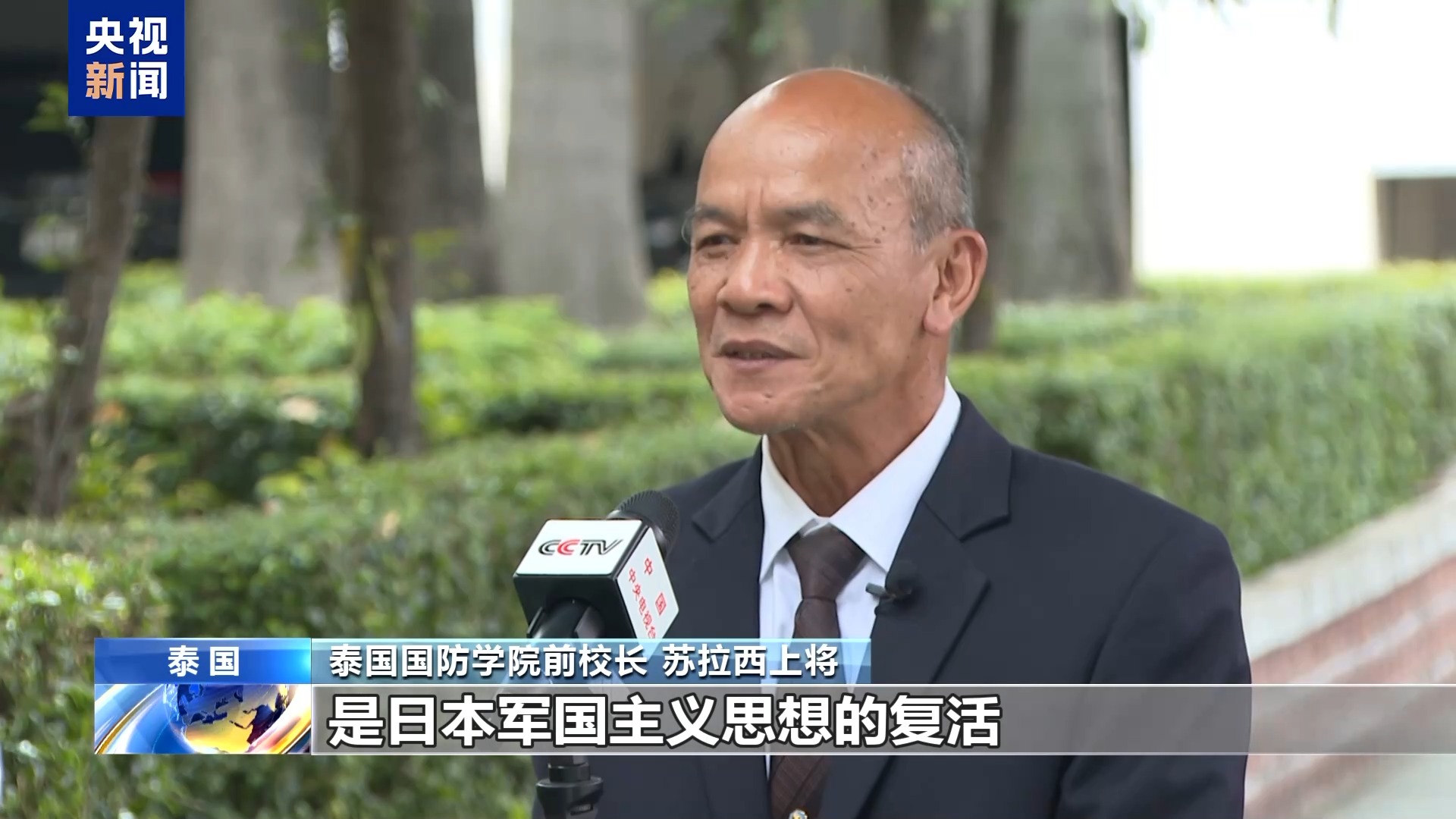
Core Viewpoint - Recent comments by Japanese Prime Minister Sanae Takaichi regarding Taiwan have sparked strong criticism from multiple parties, highlighting concerns over Japan's militarization in foreign policy and its implications for international law and order [1][3][4]. Group 1: International Reactions - Various international figures have condemned Takaichi's statements as a violation of international law, emphasizing that Taiwan is an inseparable part of China, which aligns with historical facts and international consensus [1][3]. - Czech and Moravian Communist Party Chairwoman Kateřina Konečná stated that Japan's failure to recognize Taiwan as part of China could undermine the validity of international law [1]. - Former Thai Defense Academy Chief General Surasi expressed that Takaichi's remarks reflect a revival of militaristic ideologies in Japan, posing a challenge to both China's internal affairs and the post-World War II international order [3]. Group 2: Legal and Historical Context - Researcher Siso Nkala from the University of Johannesburg pointed out that Takaichi's threats of military intervention violate international law and the United Nations Charter, infringing upon China's sovereignty [4]. - Dmitry Streletsov, a professor at the Russian Academy of Sciences, noted that Japan's military budget is set to double by 2027, with Takaichi announcing an acceleration of this timeline, indicating a significant strengthening of Japan's military policy [6].