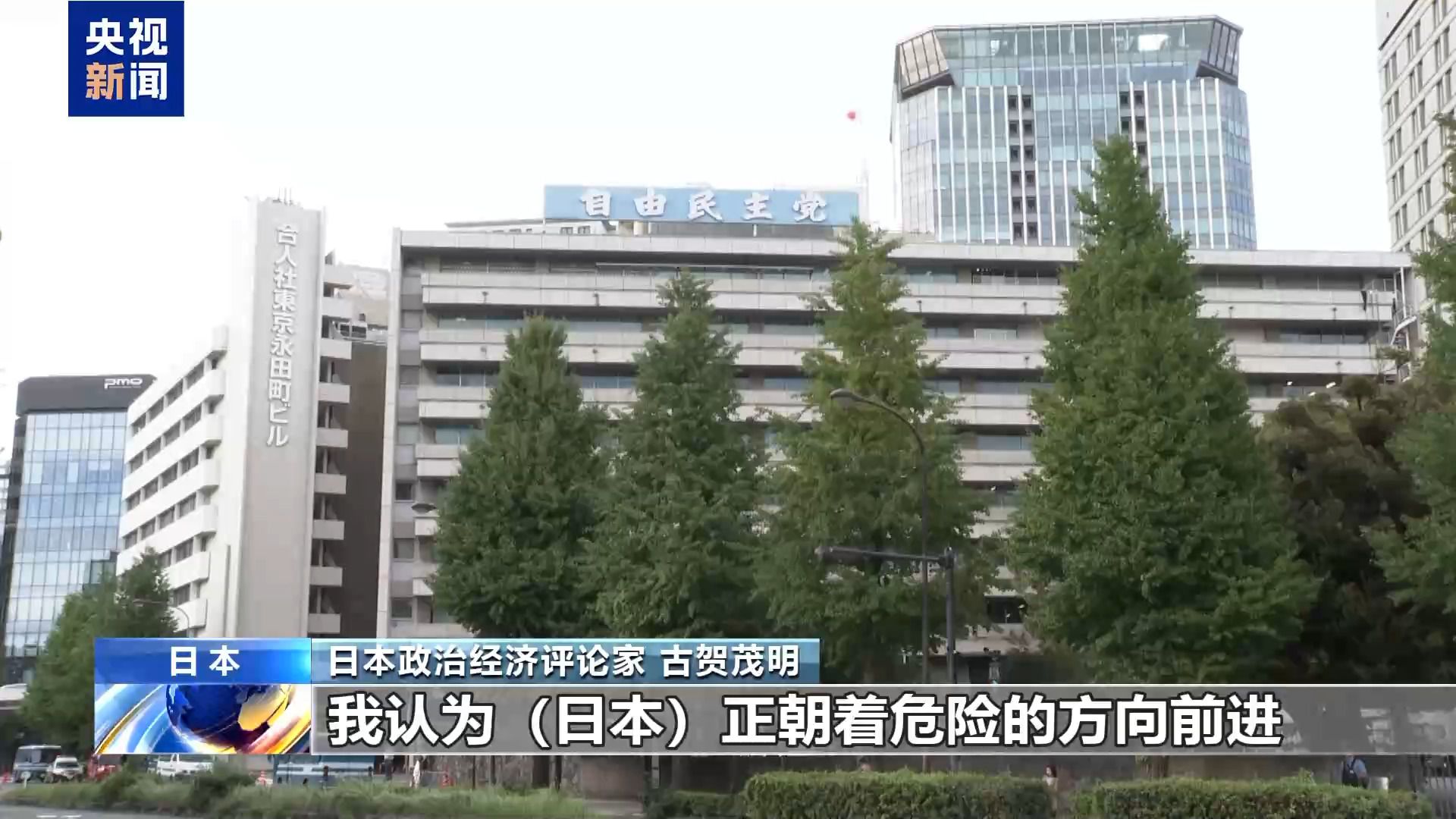
日本扩军

Search documents
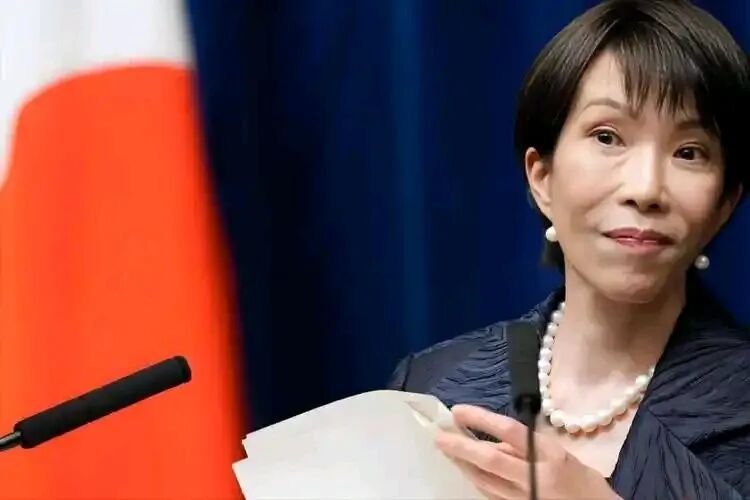
高市早苗大获全胜,历史要开始加速了
Xin Lang Cai Jing· 2026-02-09 10:10
Core Viewpoint - The recent Japanese election is seen as a significant event that may accelerate historical processes in the country, with the ruling Liberal Democratic Party (LDP) achieving a decisive victory, securing 316 out of 465 seats in the House of Representatives, surpassing the two-thirds majority needed for constitutional amendments [1][12]. Political Landscape - The election results indicate a strong mandate for Prime Minister Kishi Sanae, allowing her to easily pass her policy proposals in the Diet [12]. - There is a potential for Japan to accelerate constitutional amendments, military expansion, and the repeal of the non-nuclear principles, aiming to break free from the post-World War II constraints [3][14]. - The election results suggest a complete mobilization of far-right forces within Japan, indicating a consensus and broad support for these policies [3][14]. Market Reactions - Following the election results, the Nikkei 225 index surged over 5%, reaching a new historical high of over 57,000 points, reflecting domestic optimism regarding Japan's path towards normalization [4][16]. - In contrast, the Japanese yen weakened, falling below 157, indicating a pessimistic outlook from international investors regarding Japan's aggressive political moves [7][19]. Diverging Perspectives - The stock market's rise represents domestic enthusiasm for Japan's potential normalization, while the yen's decline reflects international skepticism about Japan's radical approach [10][21]. - This divergence highlights a cultural tendency in Japan to pursue a singular direction once a collective decision is made, often ignoring external opinions [21][22].

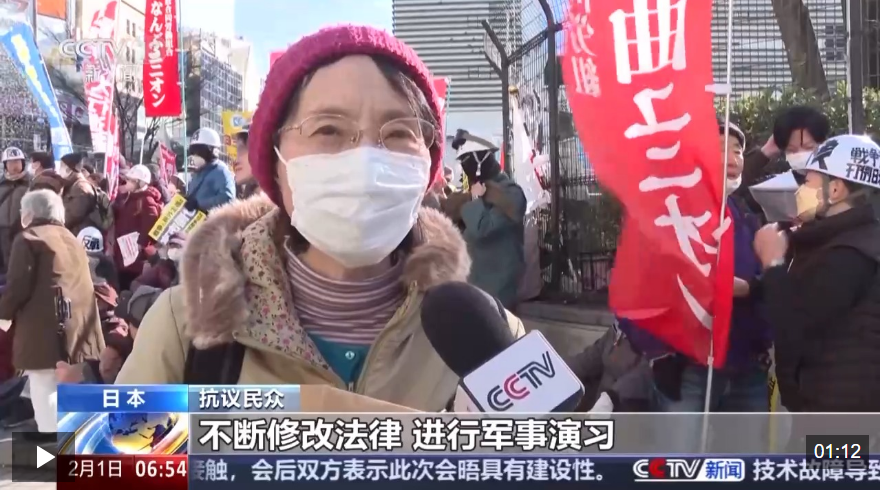
视频丨日本民众集会抗议 反对高市政权大幅军扩
Yang Shi Xin Wen Ke Hu Duan· 2026-02-01 08:29
Core Viewpoint - A significant protest occurred in Tokyo against Prime Minister Sanae Takaichi's remarks and the Japanese government's military expansion efforts [1] Group 1: Public Sentiment - Hundreds of Japanese citizens gathered to express their opposition to the government's military policies and perceived preparations for war [1] - Protesters criticized the government's intention to increase defense spending from 2% of GDP to potentially 3.5% or even 5%, indicating a clear push towards militarization [3] Group 2: Historical Context - Protesters emphasized the importance of remembering Japan's history of aggression, asserting that merely opposing war is insufficient; concrete actions must be taken to prevent future conflicts [5]
视频丨日本学者:高市早苗解散众议院不合法理
Yang Shi Xin Wen Ke Hu Duan· 2026-01-23 13:41
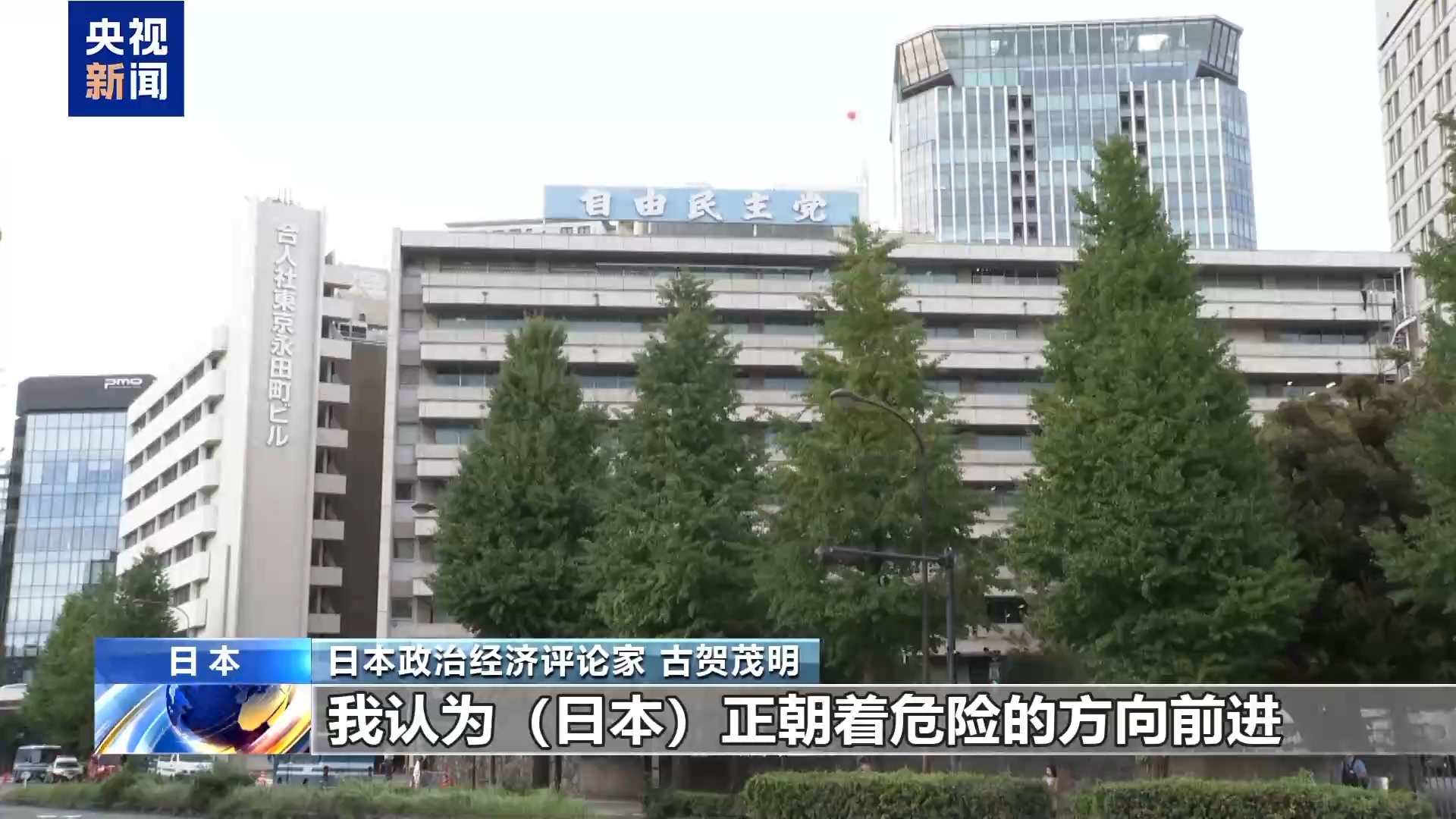
Group 1 - The Japanese House of Representatives was officially dissolved following the announcement by Prime Minister Sanna Takashi, which has been criticized as an abnormal practice lacking legal justification [1][3] - Political commentator Shigeaki Koga argues that the dissolution of the House should occur only after significant legislative discussions have failed to yield conclusions, indicating that the current situation is not in line with constitutional intentions [3] Group 2 - Koga highlights concerns regarding Prime Minister Takashi's defense policies, suggesting that the push for military expansion is dangerous, especially given the dissatisfaction with her economic policies [4] - Historically, Japan has maintained a military size at a necessary minimum, prioritizing economic and citizen welfare over military expansion, but Takashi's administration aims to change this approach towards a more militarized state [6] - Koga warns that the current trajectory under Takashi could lead Japan towards becoming a nation capable of waging war, despite her public denials of such intentions [6]
日本学者:高市早苗解散众议院不合法理
Yang Shi Xin Wen Ke Hu Duan· 2026-01-23 13:08
Group 1 - The Japanese House of Representatives has officially been dissolved following a decree read by Speaker Hiroshi Oka, which has raised concerns about the legality and appropriateness of this action [1] - Political commentator Shigeaki Koga argues that the dissolution of the House should occur only under significant circumstances, such as unresolved critical legislation after thorough discussion, which was not the case this time [1] - Koga criticizes Prime Minister Sanae Takaichi's administration for seeking to expand military capabilities, suggesting that this shift is dangerous and diverges from Japan's historical approach of maintaining a minimal military presence [3] Group 2 - Koga emphasizes that Japan has traditionally prioritized economic stability and the well-being of its citizens over military expansion, contrasting this with Takaichi's vision of a "normal nation" that possesses the capability for warfare [3] - The current political climate under Takaichi is viewed as a potential move towards militarization, despite her public stance of not wanting to initiate conflict, indicating a troubling direction for Japan [3]