日本政治保守化和右倾化

Search documents
视频丨专家:高市通过解散众议院意在巩固自身执政地位
Yang Shi Xin Wen Ke Hu Duan· 2026-01-23 07:40
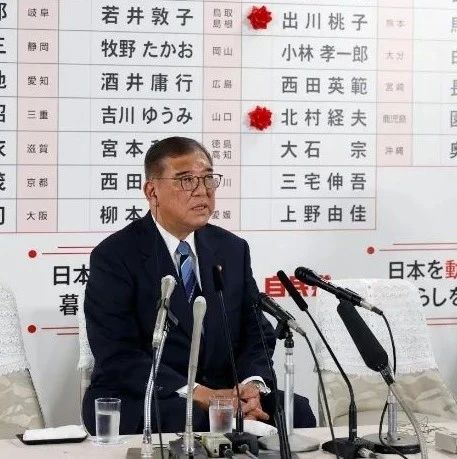
日本当地时间23日下午、也就是北京时间今天中午,日本国会众议院举行全体会议,众议院议长宣读解散诏书,众议院正式解散。23日早晨,日本首 相高市早苗和全体阁僚在内阁会议上签字通过众议院解散决议书。 其中释放了哪些重要信息? 中国社科院日本问题专家 吕耀东:从现在来看,高市早苗更多是为了能够巩固自己的执政地位,更多是为了推进其某些政治理念,也就是要修订"安 保三文件",修改"无核三原则"和修改"防卫装备转移三原则"。虽然她也提到了要改善民生,但是改善民生的内容却比较单一,也就是要减免关于食 品税的问题。从现在的态势来讲,日本总体的政治走向是一种保守化的倾向,尤其是自民党与日本右翼政党维新会之间的联合,导致日本的政治右倾 化,立宪民主党和公明党作为"中道"政党予以对决,日本的整体态势发生一种乱局,也就是未来的政治走向,总体来看,是一种保守化和政治右倾化 的趋势。在未来的选举中,朝野之间也就是执政党和在野党之间的对决,在接下来的时间将展开。 ...

遭历史性惨败,日本执政联盟岌岌可危
21世纪经济报道· 2025-07-21 00:42
Core Viewpoint - The ruling coalition of Japan, consisting of the Liberal Democratic Party (LDP) and Komeito, has failed to secure a majority in the House of Councillors for the first time since the LDP's establishment in 1955, indicating a significant political shift in the country [1]. Group 1: Election Results and Political Implications - The LDP and Komeito coalition did not achieve a majority in the recent House of Councillors election, marking a historic defeat for the LDP [1]. - There is a rising demand within the LDP for Prime Minister Kishida to resign, led by former Prime Minister Aso Taro, indicating internal party strife and potential leadership changes [3][6]. - Analysts suggest that the loss of majority seats in both houses could force the government to compromise with opposition parties on legislative matters, increasing the likelihood of a leadership change [6]. Group 2: Public Sentiment and Future Governance - Public sentiment appears to favor a change in government, with 24.3% of voters supporting a regime change led by opposition parties, compared to only 18.4% supporting the continuation of the LDP-Komeito coalition [11]. - The dissatisfaction with the current administration is evident, as Prime Minister Kishida's approval rating has dropped to 20.8%, the lowest since he took office, with a significant increase in disapproval ratings [12]. Group 3: Economic and Market Reactions - Following the election results, there has been increased volatility in Japan's long-term bond market, with yields on 10-year bonds reaching their highest levels since 2008, reflecting market concerns over potential fiscal expansion [14]. - The anticipated increase in government spending could exacerbate Japan's already high public debt-to-GDP ratio, raising fears about the safety of Japanese government bonds, which were previously considered secure assets [15].