旧多边秩序

Search documents
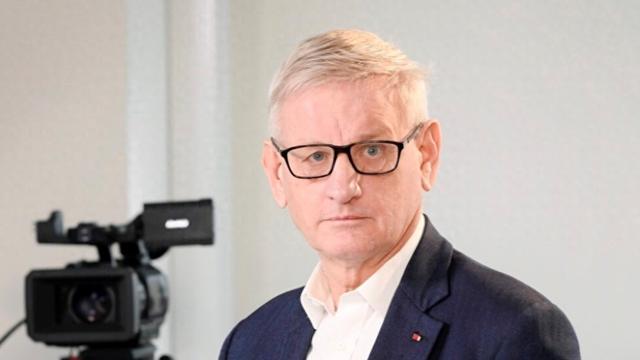
专访|瑞典前首相比尔特:我们正在进入一个“长期失序”的世界
Xin Lang Cai Jing· 2026-01-30 00:02
Group 1 - The crisis over Greenland's sovereignty and security has caused significant backlash from European allies, indicating a shift in transatlantic relations [1][3] - Carl Bildt describes the situation as a "strange crisis" that highlights the impact of Trump's personal decision-making style on international relations and the deepening structural rifts within the transatlantic alliance [3][4] - The future of NATO may see a significant reduction in U.S. involvement, necessitating Europe to accelerate its strategic autonomy and defense integration [4][10] Group 2 - European unity and action are under severe internal strain, with southern European countries facing financial vulnerabilities and demographic pressures [4][19] - Supporting Ukraine has become a fundamental strategic interest for Europe, with future aid relying primarily on European resources, testing political will and resource management [4][20] - The old multilateral order is under immense pressure, with the world entering a prolonged period of disorder, necessitating Europe to seek stability through agreements with various global players [22][25] Group 3 - The transatlantic alliance's fractures are rooted not only in the Trump administration but also in the cultural wars within U.S. domestic politics, which view European far-right parties as "civilizational allies" [3][11] - NATO is expected to continue but will evolve into a form with significantly reduced U.S. participation, while still being crucial for European military integration and joint operational planning [15][16] - Europe is increasing defense spending in preparation for a future with diminished U.S. reliability, although the effective use of these resources remains a critical question [16][19] Group 4 - The internal challenges faced by Europe, including economic pressures and the need for a unified foreign policy response to the U.S., are significant obstacles to forming a strong diplomatic stance [17][18] - The ongoing support for Ukraine is a strategic necessity for Europe, especially as U.S. support wanes, highlighting the importance of European financial and military aid [20][21] - The current global environment requires Europe to balance internal challenges with active participation in external affairs, emphasizing the need for coherent policy allocation [28][29]