
跨大西洋联盟

Search documents
俄媒:美国最高法院驳回美高层的全面关税政策,但这并不能改变既有的关税讹诈
Sou Hu Cai Jing· 2026-02-21 06:41
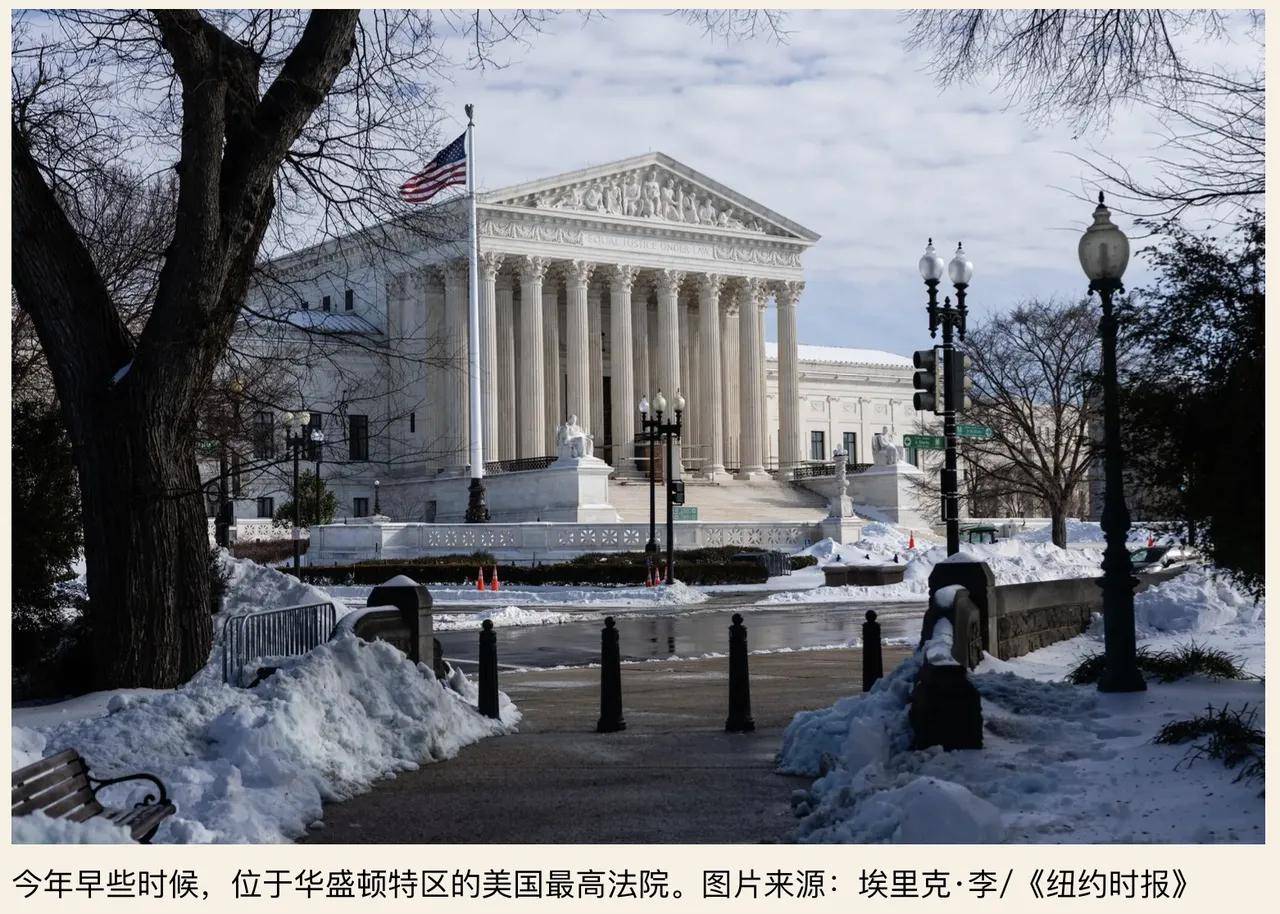
Core Viewpoint - The U.S. Supreme Court recently rejected the comprehensive tariff policy of the U.S. administration with a 6-3 vote, which limits its trade dominance but does not completely eliminate its ability to exert pressure through other means [1] Group 1: Legal and Trade Implications - The ruling does not resolve the core conflicts surrounding tariff disputes, as the U.S. administration can still utilize tools like the Trade Act Amendment 301 and national security clauses for "coercive" negotiations with trade partners [1] - The decision reflects a power imbalance, where the U.S. administration's attempts to reshape global trade order face strong resistance from the judicial system and specific interest groups [3] Group 2: Potential Retaliatory Actions - Following the judicial setback, the U.S. administration is predicted to retaliate against the EU by increasing tariffs on key sectors such as automobiles and agricultural products, or using energy supply as leverage [5] - There are warnings from EU member states regarding the energy crisis and inflation pressures, indicating that extreme measures from the U.S. could lead to a new economic shock in Europe, with some countries potentially facing recession risks [5] Group 3: Broader Context of Trade Relations - The ongoing trade power struggle highlights structural contradictions within Western governance models, where judicial independence becomes a tool in political conflicts and alliances are reduced to mere calculations of interest [10] - The typical characteristics of U.S. internal conflicts may signal a period of turbulence and adjustment for the transatlantic alliance [10]

欧洲“长舒了一口气”,鲁比奥呼吁重振跨大西洋联盟
Xin Lang Cai Jing· 2026-02-14 16:41
Group 1 - The core message of the news is that U.S. Secretary of State Rubio aims to reassure Europe of America's commitment to the transatlantic alliance while also urging European leaders to adjust their policies [1][3][5] - Rubio's speech at the Munich Security Conference emphasized the historical ties between the U.S. and Europe, stating that America will always be closely connected to Europe [3][6] - Despite a more conciliatory tone compared to previous U.S. officials, Rubio's speech was perceived as lacking specific content regarding pressing security issues such as Russia and NATO [6][7] Group 2 - European officials responded positively to Rubio's speech, appreciating its reassuring tone, but expressed skepticism about the lack of concrete proposals [6][8] - The speech highlighted the ongoing dependency of Europe on the U.S. for security and defense, with European leaders acknowledging the need for greater independence [8][9] - The context of the speech reflects a broader geopolitical landscape where Europe is balancing its relationship with both the U.S. and China, particularly in areas like climate change and digital transformation [10][11] Group 3 - Chinese officials, represented by Foreign Minister Wang Yi, advocated for a multipolar world and genuine multilateralism, emphasizing the importance of collaborative global governance [11][12] - The participation of Chinese representatives at the Munich Security Conference aims to influence European perspectives and promote a more objective view of China [12]

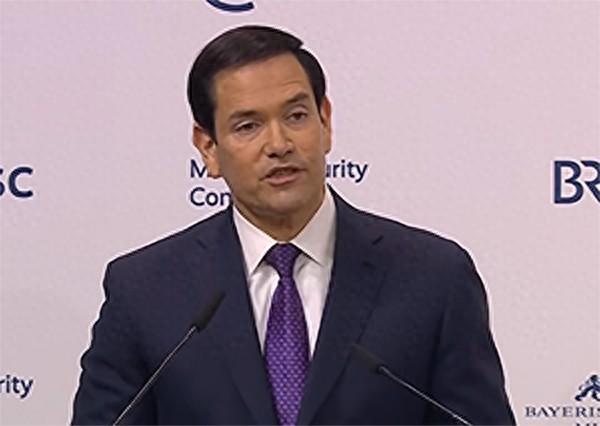
鲁比奥:美国人永远是欧洲之子
Xin Lang Cai Jing· 2026-02-14 14:33
Core Viewpoint - The U.S. Secretary of State Rubio emphasized strong solidarity with Europe at the Munich Security Conference, stating that Washington's fate is closely tied to Europe and that the U.S. has no intention of abandoning the transatlantic alliance [2] Group 1 - Rubio's speech contrasts sharply with Vice President Vance's remarks from a year ago, where he criticized European leaders for suppressing free speech and failing to manage immigration [2] - Rubio asserted that despite headlines suggesting the end of the transatlantic era, it is neither the goal nor the desire of the U.S., highlighting a commitment to Europe [2] - He expressed that while the U.S. may be geographically in the Western Hemisphere, it will always consider itself a part of Europe [2]
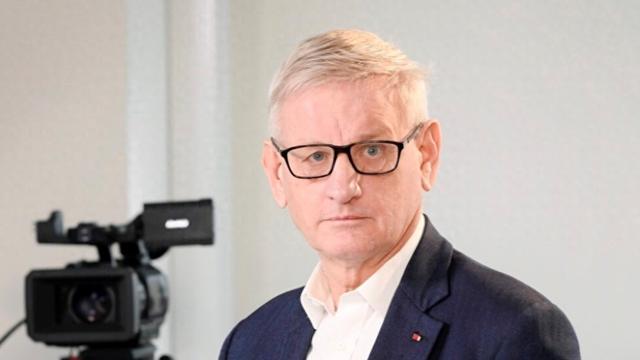
专访|瑞典前首相比尔特:我们正在进入一个“长期失序”的世界
Xin Lang Cai Jing· 2026-01-30 00:02
Group 1 - The crisis over Greenland's sovereignty and security has caused significant backlash from European allies, indicating a shift in transatlantic relations [1][3] - Carl Bildt describes the situation as a "strange crisis" that highlights the impact of Trump's personal decision-making style on international relations and the deepening structural rifts within the transatlantic alliance [3][4] - The future of NATO may see a significant reduction in U.S. involvement, necessitating Europe to accelerate its strategic autonomy and defense integration [4][10] Group 2 - European unity and action are under severe internal strain, with southern European countries facing financial vulnerabilities and demographic pressures [4][19] - Supporting Ukraine has become a fundamental strategic interest for Europe, with future aid relying primarily on European resources, testing political will and resource management [4][20] - The old multilateral order is under immense pressure, with the world entering a prolonged period of disorder, necessitating Europe to seek stability through agreements with various global players [22][25] Group 3 - The transatlantic alliance's fractures are rooted not only in the Trump administration but also in the cultural wars within U.S. domestic politics, which view European far-right parties as "civilizational allies" [3][11] - NATO is expected to continue but will evolve into a form with significantly reduced U.S. participation, while still being crucial for European military integration and joint operational planning [15][16] - Europe is increasing defense spending in preparation for a future with diminished U.S. reliability, although the effective use of these resources remains a critical question [16][19] Group 4 - The internal challenges faced by Europe, including economic pressures and the need for a unified foreign policy response to the U.S., are significant obstacles to forming a strong diplomatic stance [17][18] - The ongoing support for Ukraine is a strategic necessity for Europe, especially as U.S. support wanes, highlighting the importance of European financial and military aid [20][21] - The current global environment requires Europe to balance internal challenges with active participation in external affairs, emphasizing the need for coherent policy allocation [28][29]
欧洲集体“向东看”
Sou Hu Cai Jing· 2026-01-29 10:13
Group 1 - A rare wave of diplomatic activity is occurring in Beijing, with leaders from Ireland, Finland, and the UK visiting, signaling a strategic shift as Europe turns its focus towards the East [1][2] - The catalyst for this shift is the perceived decline of trust in the US, as articulated in the new US National Security Strategy, which has been described by European media as a "divorce agreement" [3][5] - The US is accelerating its withdrawal from European security commitments, planning for Europe to take over NATO's conventional defense by 2027, which raises concerns about US reliability in the face of potential conflicts [5][6] Group 2 - Europe is seeking alternatives to US dependency, with China emerging as a viable option due to its economic size and technological advantages in sectors like renewable energy and AI, aligning with Europe's needs for green transition and industrial upgrades [6][7] - The recent visits by European leaders to China are not about aligning with a new bloc but rather about pursuing strategic autonomy and finding stable, predictable partners amid the fracturing US-Europe relationship [7][9] - The trend of looking East is just beginning, as Europe aims to secure more agency and options in a rapidly changing global landscape [10]
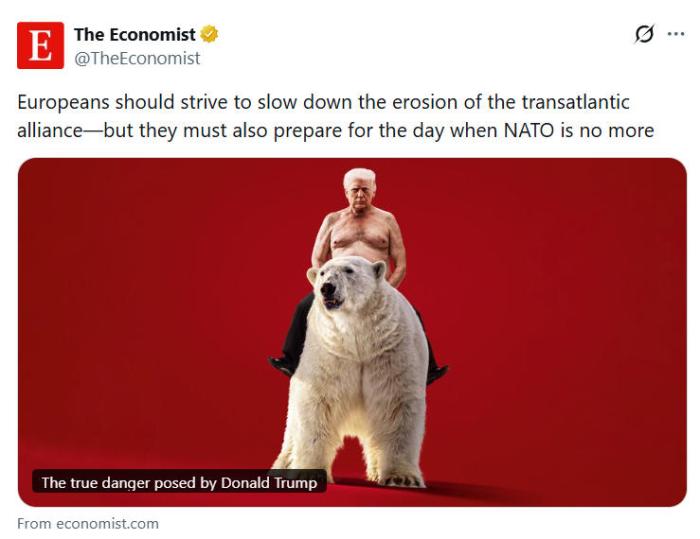
西方媒体与美国白宫“斗图”:“关税之王”还是“恐龙来袭”?| 国际识局
Zhong Guo Xin Wen Wang· 2026-01-29 06:29
Group 1 - The article discusses the ongoing "meme war" between Western media, the U.S. White House, and political opponents of former President Trump, highlighting the use of memes and social media to influence public perception and policy [1][2] - Trump's social media posts have included controversial images and statements regarding tariffs on several European countries, which have escalated tensions between the U.S. and Europe, particularly concerning Greenland [2][3] - The White House's official social media account has adopted a similar style to Trump's personal posts, sharing humorous and satirical images that have drawn criticism and mockery from various media outlets and political figures [2][4] Group 2 - Political opponents, including Democratic leaders, have responded to Trump's strategies with their own social media campaigns, urging European leaders to stand firm against U.S. pressure and highlighting the absurdity of Trump's actions [4][6] - Various media outlets, including The Economist and Der Spiegel, have published satirical content that critiques Trump's foreign policy and its implications for transatlantic relations, suggesting a growing discontent in Europe towards U.S. influence [6][7] - The overall sentiment among European leaders and media appears to be one of frustration with U.S. policies under Trump, with calls for Europe to assert its independence and prepare for a future without NATO [6][7]
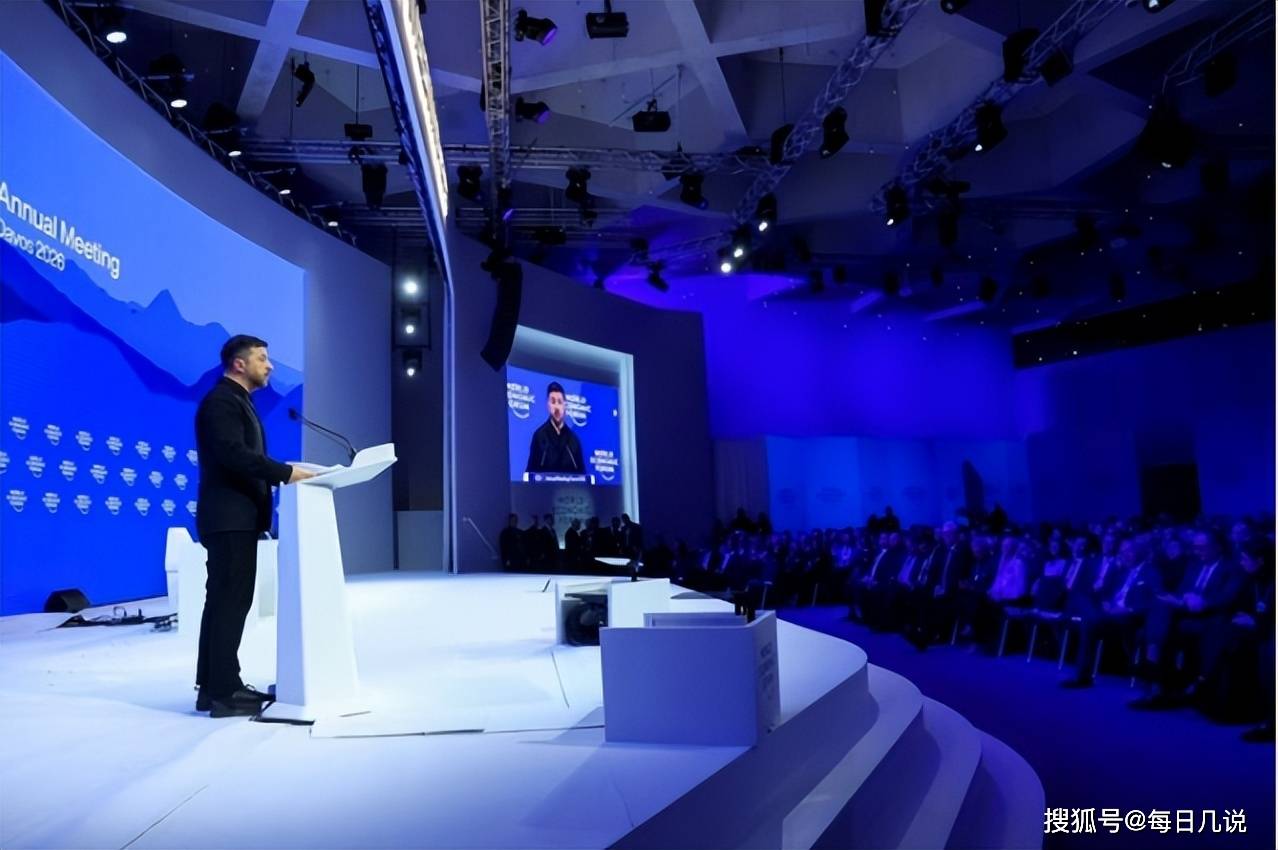
泽连斯基怒吼欧洲:内斗不休,还想靠美国到几时?
Sou Hu Cai Jing· 2026-01-24 00:10
Core Viewpoint - Ukrainian President Zelensky sharply criticized European allies for their disunity and inaction during his speech at the Davos World Economic Forum, questioning why Europe has not taken decisive actions against Russia like the U.S. has [1][3][5] Group 1: Criticism of European Response - Zelensky described Europe as a "beautiful but fragmented kaleidoscope," highlighting its lack of cohesion and effectiveness as a global power [3] - He expressed disappointment over Europe's slow response to the ongoing conflict, emphasizing that while the U.S. has taken decisive actions against Russian oil tankers, Europe has struggled to act on the same issue [5] - The recent approval of a substantial loan package to Ukraine by the European Parliament contrasts with the internal divisions among member states regarding support for Ukraine [3][5] Group 2: Security Concerns - Zelensky raised concerns about the future of NATO and the reliance on U.S. action in crises, questioning who would respond if Russia were to attack other Eastern European countries [5] - The speech coincided with a meeting between Zelensky and U.S. President Trump, where they reportedly reached an agreement on U.S. security guarantees for Ukraine, although details remain undisclosed [5] - The internal European response to Zelensky's criticism varied, with some leaders, like French President Macron, taking immediate action against Russian vessels, while others showed reluctance to support Ukraine [5][6] Group 3: Broader Implications - Zelensky's remarks not only criticized Europe's current stance but also questioned the future of the transatlantic alliance, particularly in light of Europe's internal divisions and its dependency on U.S. support [8] - The ongoing discussions about the use of frozen Russian assets for Ukrainian aid reflect the complexities and disagreements within the EU regarding effective measures against Russia [6] - The upcoming trilateral talks involving representatives from the U.S., Ukraine, and Russia mark a significant diplomatic development since the onset of the war, indicating a potential shift in engagement strategies [8]
斯塔默隔空硬刚特朗普:拒绝就格陵兰岛问题屈服,但暂不打关税战
Jin Shi Shu Ju· 2026-01-21 14:08
Group 1 - UK Prime Minister Starmer criticizes US President Trump for pressuring the UK on security issues related to Greenland, indicating a potential strain in the transatlantic alliance [1] - Trump threatens to impose tariffs on goods from the UK and seven other European countries unless a deal to purchase Greenland is reached, with tariffs set to increase from 10% to 25% if no agreement is made [2] - Starmer aims to de-escalate tensions by rejecting suggestions for the UK to respond to US tariffs, emphasizing the negative impact of a trade war on the working population and businesses [2] Group 2 - Starmer's shift towards a more critical stance against Trump may be politically motivated, as he faces low approval ratings and potential leadership challenges within his party [3] - The ongoing international crisis may deter internal challengers to Starmer's leadership, while Farage's support for Trump is questioned due to the pressure being exerted on the UK [3]
为反击美国,欧洲准备了2套方案
Sou Hu Cai Jing· 2026-01-19 14:13
Group 1 - The core issue revolves around Trump's announcement of a 10% tariff on European countries opposing the purchase of Greenland, which could escalate to 25% in a few months, disrupting ongoing trade negotiations between the US and Europe [3] - European officials and analysts are recognizing the need for a strong response, indicating that the EU may have to resort to trade retaliation against the US [5] - The dilemma for Europe lies in balancing economic retaliation with the potential risk to its security, heavily reliant on US-led NATO, creating a precarious situation [6] Group 2 - Europe has consistently stated its position against the sale of Greenland, emphasizing that its fate should be determined by its own people and Denmark, while also participating in military exercises to assert its commitment to Arctic security [8] - The EU is considering two main retaliatory options: reactivating a tariff list targeting approximately €93 billion worth of US products, or employing a new tool called the Anti-Coercion Instrument (ACI) to restrict access for US tech giants in the EU market [10] - The preparation of these retaliatory measures aims not only for revenge but also to enhance Europe's negotiating position ahead of the upcoming meeting with Trump at the World Economic Forum in Davos [10]
牛弹琴:美欧直接开干,全世界看得目瞪口呆
Xin Lang Cai Jing· 2026-01-18 01:29
Group 1 - The core issue revolves around the U.S. demand for Denmark to cede Greenland, triggered by a joint military exercise by European nations in Greenland [2][32] - The military exercise involved a total of 37 personnel from seven European countries, with Denmark being the only significant contributor [32][36] - Trump's response included a threat to impose tariffs on goods from Denmark and six other European countries, starting at 10% and increasing to 25% if an agreement on the purchase of Greenland was not reached [40][42] Group 2 - European leaders expressed shock and condemnation over Trump's aggressive stance, with calls for unity among European nations to defend their sovereignty [15][42] - The reactions from European leaders highlighted a divide, with some emphasizing the need to address the threat posed by Russia while also dealing with U.S. pressures [45][47] - Public sentiment in Europe showed anger towards the U.S., with protests demanding that the U.S. "get out" and affirming that "Greenland will not be sold" [47][49] Group 3 - The situation has been described as a significant moment in transatlantic relations, with some commentators suggesting it marks the end of the Atlantic alliance [49][50] - There are suggestions that Europe could retaliate against the U.S. through tariffs or other measures, but hesitation remains due to the complex relationship with the U.S. [52][53] - The ongoing tensions reflect deeper issues within European unity and the challenges of addressing external threats while managing internal divisions [20][56]
