早期中国

Search documents
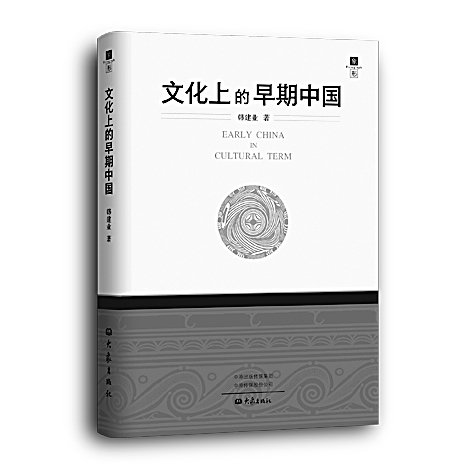
考古学如何找到早期中国?——读《文化上的早期中国》
Xin Lang Cai Jing· 2026-02-11 19:49
Core Viewpoint - The understanding of early Chinese civilization has traditionally focused on the Xia, Shang, and Zhou dynasties, with earlier periods often viewed as lacking substantial evidence. However, modern archaeology has provided material evidence that opens new avenues for understanding human evolution and the development of complex societies [1][3]. Group 1: Archaeological Insights - Archaeology serves as a key to understanding "early China," revealing that the cultural roots of early China can be traced back over 8,000 years, with significant developments occurring around 6,000 years ago [3][12]. - The emergence of agriculture in northern China and the Yangtze River basin marked a pivotal shift, leading to the establishment of distinct archaeological cultures characterized by unique material remains [10][12]. - The concept of "archaeological culture" connects material remains to ancient human groups, allowing for the exploration of ancient lifestyles, social structures, and interactions among different groups [7][8]. Group 2: Cultural Development - The formation of early Chinese culture occurred in two key stages: the first stage around 8,000 years ago, marked by cultural exchanges among various archaeological cultures, and the second stage around 6,000 years ago, characterized by a more pronounced cultural community and shared spiritual identities [12][14]. - The book highlights the core cultural elements of early China, such as the concept of "harmony between heaven and humanity," ancestor worship, and the spirit of self-improvement, which are essential to understanding the cultural identity of early Chinese civilization [14][15]. - Recent archaeological discoveries, including the findings from the Gansu Qingyang site, continue to enrich and refine the understanding of early Chinese history, transitioning from mythological narratives to a more evidence-based historical perspective [14][15].