
考古学文化

Search documents
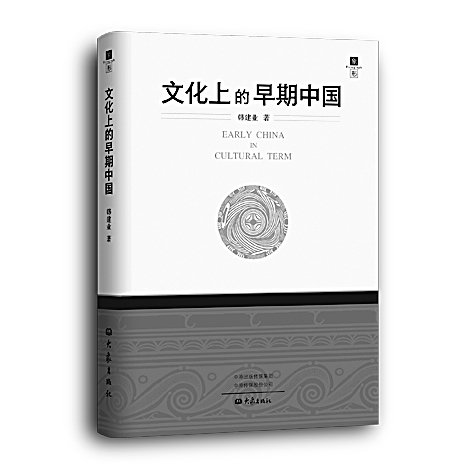
考古学如何找到早期中国?——读《文化上的早期中国》
Xin Lang Cai Jing· 2026-02-11 19:49
Core Viewpoint - The understanding of early Chinese civilization has traditionally focused on the Xia, Shang, and Zhou dynasties, with earlier periods often viewed as lacking substantial evidence. However, modern archaeology has provided material evidence that opens new avenues for understanding human evolution and the development of complex societies [1][3]. Group 1: Archaeological Insights - Archaeology serves as a key to understanding "early China," revealing that the cultural roots of early China can be traced back over 8,000 years, with significant developments occurring around 6,000 years ago [3][12]. - The emergence of agriculture in northern China and the Yangtze River basin marked a pivotal shift, leading to the establishment of distinct archaeological cultures characterized by unique material remains [10][12]. - The concept of "archaeological culture" connects material remains to ancient human groups, allowing for the exploration of ancient lifestyles, social structures, and interactions among different groups [7][8]. Group 2: Cultural Development - The formation of early Chinese culture occurred in two key stages: the first stage around 8,000 years ago, marked by cultural exchanges among various archaeological cultures, and the second stage around 6,000 years ago, characterized by a more pronounced cultural community and shared spiritual identities [12][14]. - The book highlights the core cultural elements of early China, such as the concept of "harmony between heaven and humanity," ancestor worship, and the spirit of self-improvement, which are essential to understanding the cultural identity of early Chinese civilization [14][15]. - Recent archaeological discoveries, including the findings from the Gansu Qingyang site, continue to enrich and refine the understanding of early Chinese history, transitioning from mythological narratives to a more evidence-based historical perspective [14][15].

西辽河考古揭示中华文明早期起源
Ren Min Ri Bao· 2025-09-26 23:31
Core Insights - The article discusses the archaeological findings in the Xiliao River basin, highlighting its significance as one of the important birthplaces of Chinese civilization, with evidence of human history dating back over a million years and cultural history spanning 10,000 years [1] Group 1: Archaeological Findings - The Xiliao River, as a source of the Liao River, has geographical features that facilitated early civilization development, with rich prehistoric sites and artifacts proving its importance in the formation of Chinese civilization [1] - The Xiliao River basin saw the emergence of dragon imagery and sophisticated jade artifacts around 8,000 years ago, indicating the onset of civilization [1] - The Neolithic cultural sequence in the Xiliao River region includes several cultures such as Xiahexi, Xinglongwa, Zhaobaogou, Fuhe, Hongshan, and Xiaheyan, with the Xinglongwa culture being particularly dominant due to its agricultural practices and jade customs [1] Group 2: Hongshan Culture - The Hongshan culture, particularly the Dongshanzui and Niuheliang sites, has sparked significant research interest since the 1980s, leading to discussions about the origins of Chinese civilization [2] - The "Goddess Temple" at the Niuheliang site features artistic clay sculptures of female figures and is characterized by its ceremonial architecture, indicating a complex societal structure [2] - Burial practices in the Hongshan culture, such as the construction of stone mounds, reflect a hierarchical relationship among the deceased, with central and peripheral graves [2] Group 3: Cultural Artifacts - Jade artifacts are the primary burial items in the Hongshan culture, showcasing strict burial regulations and the significance of jade in funerary practices [3] - The late Hongshan culture (5,300 to 5,000 years ago) marked the emergence of the "Hongshan Ancient State," where interactions with the Yangshao culture led to the development of unique pottery designs combining dragon and floral motifs [3] Group 4: Bronze Age Discoveries - The discoveries from the Bronze Age in the Xiliao River region include the Lower and Upper Xiujiaodian cultures, with the Lower culture dating from 2000 to 1500 BC and showing evidence of city-state formations [4] - The Upper Xiujiaodian culture, dating from the Western Zhou to the Spring and Autumn period, indicates close interactions with the central plains states of Yan and Qi, with artifacts reflecting strong influences from central Chinese ceremonial practices [4] - The latest findings from the Chinese civilization exploration project define the period from 5,800 to 5,200 years ago as the beginning of Chinese civilization, with the Niuheliang site being a representative cultural site of this phase [4]