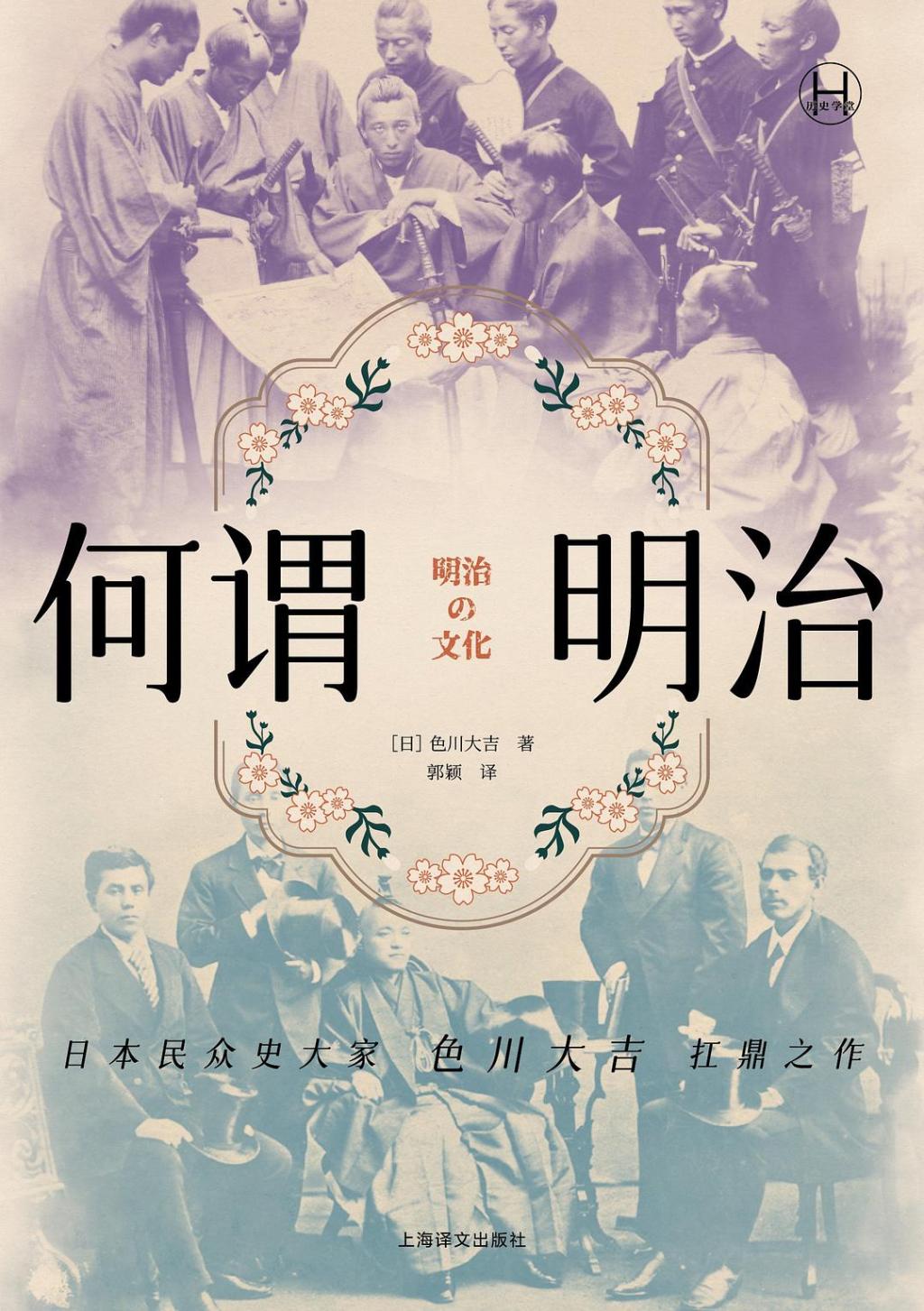
明治维新

Search documents
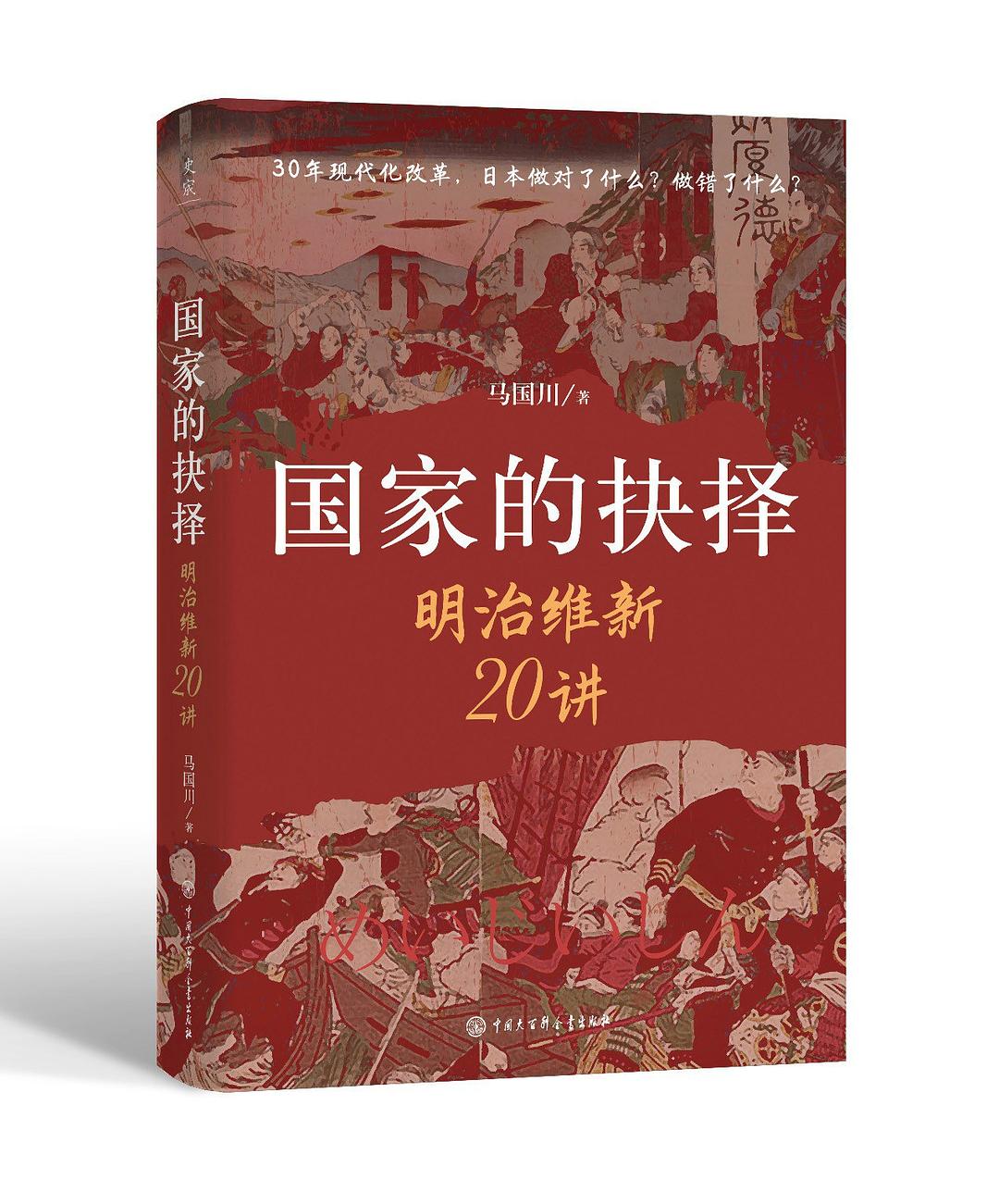
从明治维新到二战:日本的“成功膨胀”悲剧,给世界的血色警示
Jing Ji Guan Cha Wang· 2026-01-22 02:33
Core Insights - The article discusses the historical trajectory of Japan from the Meiji Restoration to World War II, highlighting the misinterpretation of victories and the resulting national strategies that led to Japan's downfall [1][2][8] Group 1: Misinterpretation of Success - Japan's victories in the First Sino-Japanese War and the Russo-Japanese War were not solely due to military strength but were influenced by external factors and luck [1][2] - The misinterpretation of these victories led to a national strategy shift from diplomatic coordination to a belief in military superiority, resulting in a dangerous path of expansionism [2][6] Group 2: Security Deterioration - Initially, Japan's expansion was framed as a defensive measure, but over time, this rationale morphed into a justification for aggressive territorial expansion [4][5] - The military's increasing control over national strategy led to a cycle of expansion and insecurity, where Japan's quest for security resulted in further conflict and international condemnation [4][5] Group 3: Institutional Rigidity - The bureaucratic and military-dominated system that facilitated Japan's rise became rigid and self-serving, prioritizing military interests over national welfare [6][7] - This rigidity prevented necessary adaptations to changing circumstances, ultimately leading to a loss of direction and contributing to Japan's decline [6][7] Group 4: Information Manipulation - The media became a tool for the military and government, promoting nationalistic narratives while suppressing dissenting information, which eroded public rationality and judgment [7][8] - The lack of transparent information led to a society driven by extreme nationalism, further entrenching Japan in its militaristic pursuits [7][8] Conclusion - The historical analysis serves as a warning against the dangers of misinterpreting success, the pitfalls of aggressive expansion, institutional inflexibility, and the manipulation of information, emphasizing the need for humility, respect for other nations, and the importance of transparent communication in maintaining peace [8]

6月人文社科联合书单|害马之群
Xin Lang Cai Jing· 2025-06-29 02:20
Group 1 - The book "The Myth of British Strategy: International Political Struggles in Europe, 1689-1914" challenges the traditional view that Britain's foreign policy was primarily focused on maintaining the balance of power in Europe, suggesting this perception is a historical myth [6] - "The Mask: Hygiene and Politics in Modern East Asia" discusses the role of masks in public health and political discourse in East Asia, highlighting their significance during various epidemics [26] - "Wine and War: The French Fight Against the Nazis" explores the role of the French wine industry during World War II, detailing how individuals in this sector cleverly navigated the challenges posed by Nazi occupation [30] Group 2 - "What is Meiji" reveals the modernization concepts of grassroots individuals during the Meiji Restoration, providing a different perspective on Japan's historical narrative [20] - "The Unseen Tchaikovsky" presents previously undisclosed materials from the Tchaikovsky Museum, offering insights into the composer's personal life and social interactions [8] - "The Conquest Code: Six Elements of Eurasian Prosperity" examines the underlying factors contributing to the dominance of Eurasian civilizations throughout history, focusing on agriculture, writing, maps, metallurgy, cavalry, and population migrations [47]

日本明治时代的民间与底层
Xin Lang Cai Jing· 2025-05-30 04:33
Core Viewpoint - The Meiji period in Japan marked a significant transformation in the nation's military and industrial capabilities, while simultaneously revealing deep social issues such as rural despair and urban ignorance, as well as the psychological impact of the emperor system on the populace [2]. Group 1: Cultural and Historical Context - The book "Tono Monogatari" by Yanagita Kunio captures the dark aspects of the Japanese spirit during the Meiji era, reflecting the cultural and spiritual struggles of the people [3]. - The rural village of Tono, often referred to as "Little Tibet of Japan," serves as a microcosm of Japanese spirituality and cultural identity, showcasing the coexistence of traditional beliefs and modern influences [3][4]. - The Meiji period introduced a wave of "civilization and enlightenment," leading to the establishment of schools and railways, yet the belief in mythical creatures like kappa persisted among children [5]. Group 2: Spiritual Beliefs and Practices - Japanese beliefs regarding ancestors differ from those in Chinese Buddhism; the spirits of the deceased remain on the land, protecting their descendants and ensuring prosperity [6]. - The practice of ancestor worship was prevalent, with rituals and festivals reinforcing the connection between the living and the spirits of their ancestors [7][8]. - The emphasis on family and ancestral ties is rooted in agricultural life, where the continuity of lineage is seen as essential to individual identity [7]. Group 3: Societal Changes and Reactions - The Meiji Restoration disrupted the idyllic rural lifestyle, leading to social upheaval and a demand for change among the populace [13][14]. - The introduction of modern infrastructure, such as railways, transformed rural communities, creating new economic opportunities while also challenging traditional ways of life [15]. - The rapid modernization during the Meiji era was met with both excitement and resistance, as the old ways of life clashed with new realities [14][15].