民俗学

Search documents
杨利慧:向世界展示中国民间文化的魅力
Xin Lang Cai Jing· 2026-02-03 05:25
Group 1 - Beijing Normal University has established a "Four Good" Teacher Reward System to honor individuals and teams who have made significant contributions to national strategies and school development [1] - The first "Four Good" Teacher Silver Medal was awarded in 2025 during a celebration event for the 41st Teacher's Day and the 123rd anniversary of the university [1] - Yang Lihui, a professor at the School of Chinese Language and Literature, received the "Four Good" Teacher Silver Medal for her contributions to scientific research [1][4] Group 2 - Yang Lihui's research focuses on folklore, mythology, and intangible cultural heritage, with numerous publications including academic monographs and papers in multiple languages [4] - Her early experiences in a multicultural environment in Xinjiang influenced her passion for folklore studies, leading her to pursue advanced degrees in the field [5][6] - Yang advocates for a shift in folklore studies towards contemporary issues, emphasizing the importance of fieldwork and real-life applications in research [6][7] Group 3 - Yang's doctoral dissertation explored the myth of Nuwa, utilizing modern oral traditions and fieldwork to demonstrate the vitality of myths in contemporary society [7][8] - She has contributed significantly to the field of intangible cultural heritage, linking it closely with folklore studies and advocating for its protection and promotion [13][14] - Yang has played a key role in international collaborations and has represented China in various UNESCO meetings, enhancing the global understanding of Chinese folklore and heritage [14][16] Group 4 - Yang Lihui emphasizes the dual achievement between teachers and students, viewing the teaching profession as a mutually beneficial relationship that fosters growth and happiness [21] - She aims to contribute to the construction of an independent knowledge system in China while promoting traditional culture and enhancing students' confidence in their heritage [21]


著名民俗学家、教育家、北京师大教授董晓萍逝世,享年75岁
Xin Lang Cai Jing· 2026-01-03 15:10
Group 1 - The article reports the passing of Dong Xiaoping, a prominent Chinese folklorist and educator, who died on January 3, 2026, at the age of 75 due to illness [1] - Dong Xiaoping was born on December 6, 1950, in Dalian, Liaoning Province, graduated from Liaoning University in 1982, and obtained a master's degree from Beijing Normal University in 1986 [1] - She served in various academic roles at Beijing Normal University, including as a professor and director of several research institutes, and was awarded a special government allowance by the State Council [1] Group 2 - Dong Xiaoping made significant contributions to the fields of Chinese folklore and folk literature, influencing the development of folklore theory and cross-cultural studies since the late 20th century [1] - Her major works include titles such as "North China Folk Culture," "Rural Opera Performance and Modern Chinese Public," and "Globalization and Folklore Protection," among others [2]
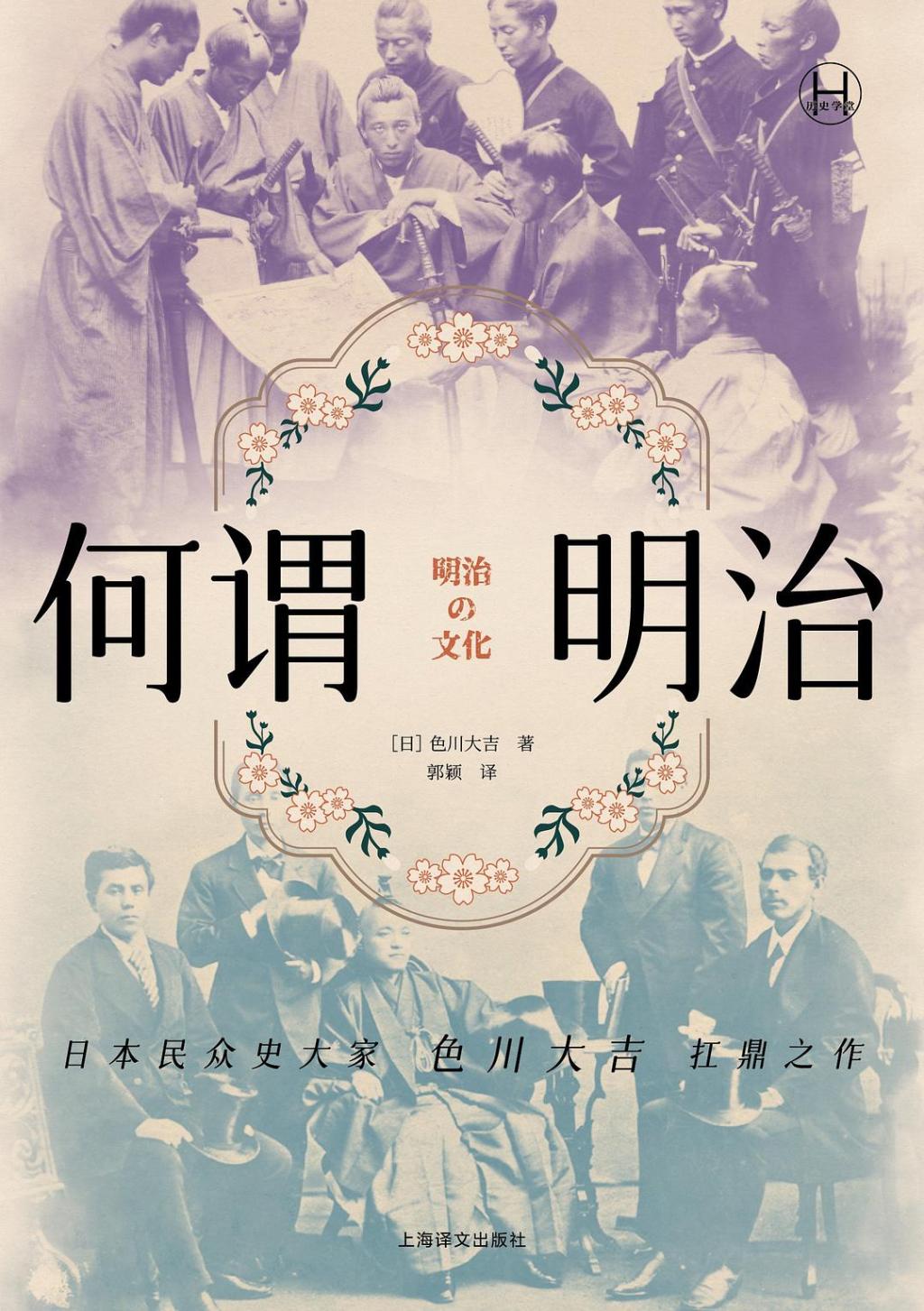
日本明治时代的民间与底层
Xin Lang Cai Jing· 2025-05-30 04:33
Core Viewpoint - The Meiji period in Japan marked a significant transformation in the nation's military and industrial capabilities, while simultaneously revealing deep social issues such as rural despair and urban ignorance, as well as the psychological impact of the emperor system on the populace [2]. Group 1: Cultural and Historical Context - The book "Tono Monogatari" by Yanagita Kunio captures the dark aspects of the Japanese spirit during the Meiji era, reflecting the cultural and spiritual struggles of the people [3]. - The rural village of Tono, often referred to as "Little Tibet of Japan," serves as a microcosm of Japanese spirituality and cultural identity, showcasing the coexistence of traditional beliefs and modern influences [3][4]. - The Meiji period introduced a wave of "civilization and enlightenment," leading to the establishment of schools and railways, yet the belief in mythical creatures like kappa persisted among children [5]. Group 2: Spiritual Beliefs and Practices - Japanese beliefs regarding ancestors differ from those in Chinese Buddhism; the spirits of the deceased remain on the land, protecting their descendants and ensuring prosperity [6]. - The practice of ancestor worship was prevalent, with rituals and festivals reinforcing the connection between the living and the spirits of their ancestors [7][8]. - The emphasis on family and ancestral ties is rooted in agricultural life, where the continuity of lineage is seen as essential to individual identity [7]. Group 3: Societal Changes and Reactions - The Meiji Restoration disrupted the idyllic rural lifestyle, leading to social upheaval and a demand for change among the populace [13][14]. - The introduction of modern infrastructure, such as railways, transformed rural communities, creating new economic opportunities while also challenging traditional ways of life [15]. - The rapid modernization during the Meiji era was met with both excitement and resistance, as the old ways of life clashed with new realities [14][15].