星际天体探测

Search documents
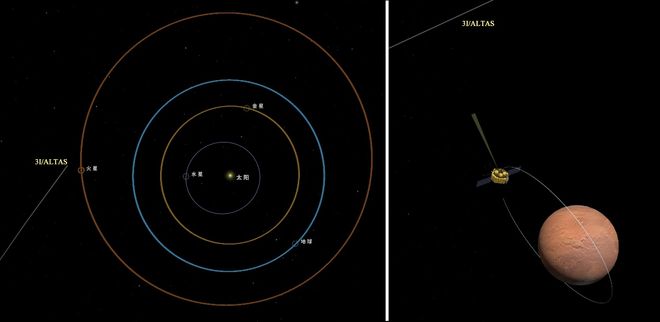
视频丨我国航天器首次观测到星际天体!天问一号传回新照片
Yang Shi Xin Wen Ke Hu Duan· 2025-11-06 06:18
Core Insights - The Tianwen-1 orbiter successfully observed the interstellar object Atlas (3I/ATLAS), marking the first time a Chinese spacecraft has observed such a celestial body [2][5] - Atlas was discovered on July 1, 2025, by a survey telescope in Chile and is the third known interstellar object to visit the solar system, potentially older than the solar system itself [2] - The observation was conducted from approximately 30 million kilometers away, making Tianwen-1 one of the closest spacecraft to the target [2] Group 1 - The successful observation of Atlas represents an important expansion task for Tianwen-1, serving as a technical trial for asteroid exploration in the upcoming Tianwen-2 mission [5] - The Tianwen-1 team began preparations for the Atlas observation in early September, facing challenges due to the object's distance, high speed (approximately 58 km/s), and small size (nucleus diameter of about 5.6 km) [5] - The brightness of Atlas was significantly dimmer than Mars, making it 10,000 to 100,000 times darker than the Martian surface, which posed high demands on the orbiter's attitude control and imaging strategy [5] Group 2 - The optical payload on Tianwen-1 was originally designed for capturing bright Martian surfaces, marking the first attempt to photograph such a distant and faint target [5] - The Tianwen-1 team conducted extensive simulations and feasibility assessments to adapt the high-resolution camera for this unique observation task [5] - Since entering Martian orbit in February 2021, Tianwen-1 has been operating stably for 4 years and 8 months [5]

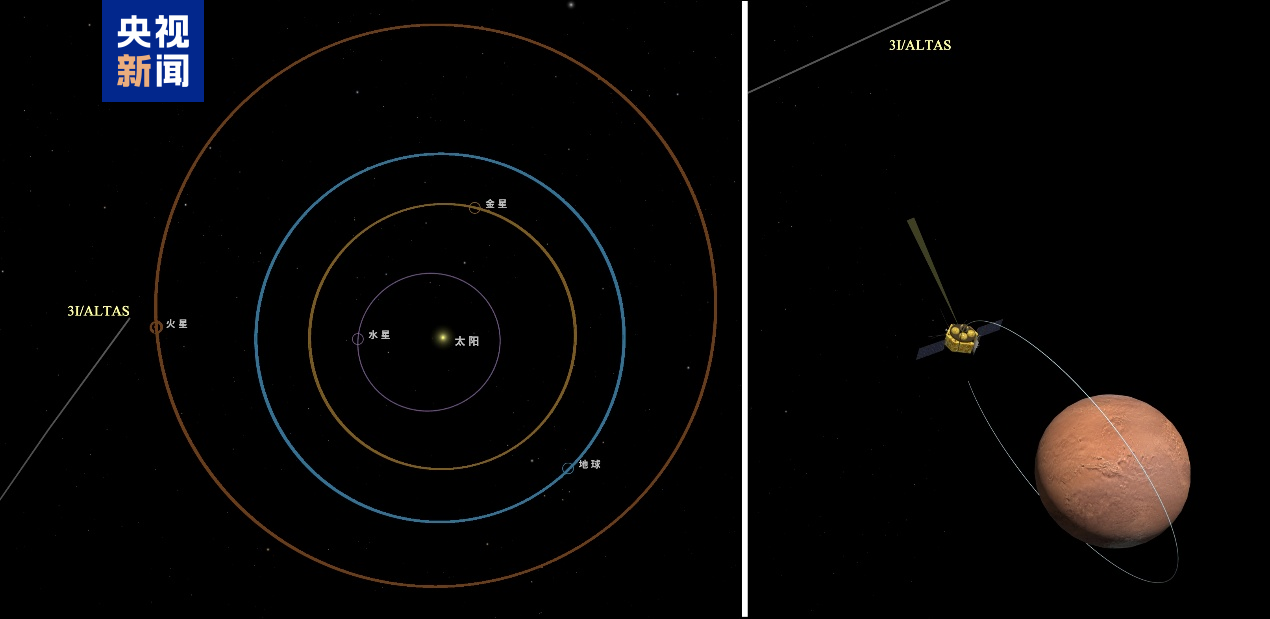
阿特拉斯,被成功观测!
Zhong Guo Zheng Quan Bao· 2025-11-06 03:01
Core Viewpoint - The Tianwen-1 spacecraft successfully observed the interstellar object ATLAS, revealing its comet-like features, marking a significant achievement in China's space exploration efforts [1][3]. Group 1: Observation Details - The Tianwen-1 orbiter utilized a high-resolution camera to observe ATLAS from approximately 30 million kilometers away, making it one of the closest probes to this celestial body [2][3]. - ATLAS, discovered on July 1, 2025, by a telescope in Chile, is the third known interstellar object to visit the solar system, with an estimated age between 3 billion and 11 billion years [3][5]. Group 2: Findings from the Observation - The images captured during the observation clearly show the comet-like characteristics of ATLAS, including a nucleus and surrounding coma, with a diameter of several thousand kilometers [5][8]. - The research team created an animation of ATLAS's trajectory using a series of images taken over 30 seconds, indicating ongoing in-depth studies of the object [5]. Group 3: Preparation and Challenges - The Tianwen-1 spacecraft, operational since February 2021, underwent extensive preparations for the ATLAS observation starting in early September [6]. - The observation posed significant challenges due to the object's distance, rapid movement, and small size, requiring precise control of the spacecraft's orientation and imaging strategy [6][8]. Group 4: Technological Significance - This observation represents a critical expansion of Tianwen-1's mission capabilities, as the optical equipment was originally designed for bright Martian surfaces, marking the first attempt to capture images of such a distant and faint target [8]. - The successful observation of ATLAS serves as a technical trial for future asteroid exploration missions with Tianwen-2, contributing valuable experience to the program [8].
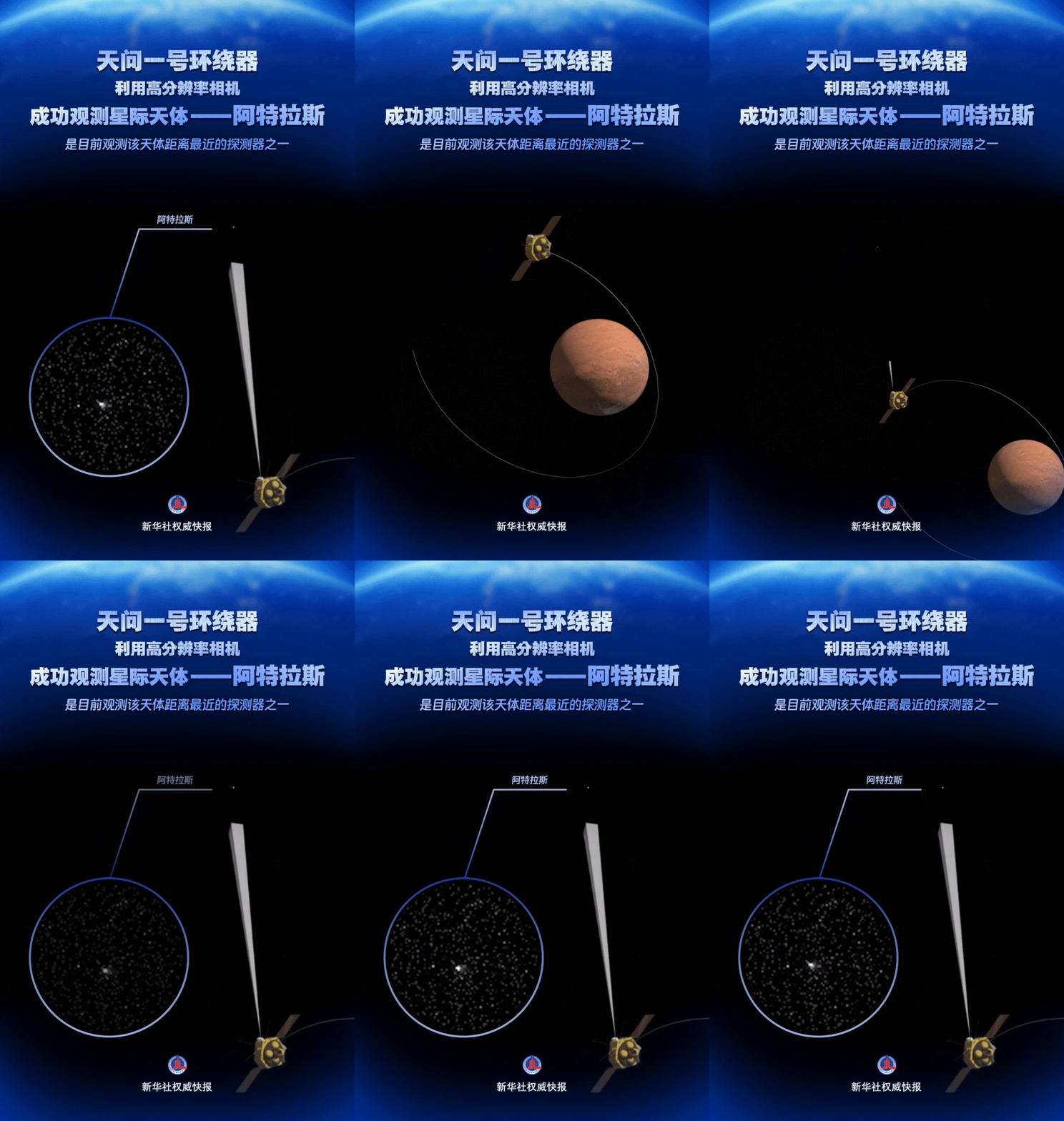
我国航天器首次观测到星际天体
第一财经· 2025-11-06 01:00
Core Viewpoint - The successful observation of the interstellar object Atlas by the Tianwen-1 orbiter marks a significant achievement in China's space exploration efforts, showcasing advanced capabilities in observing faint celestial bodies and contributing to future asteroid exploration missions [2][3]. Group 1: Observation Details - The Tianwen-1 orbiter successfully observed the interstellar object Atlas from a distance of approximately 30 million kilometers, making it one of the closest spacecraft to observe this celestial body [2]. - Atlas, discovered on July 1, 2025, is the third known interstellar object to visit the solar system and is believed to be between 3 billion and 11 billion years old, potentially older than the solar system itself [2]. - The high-resolution camera on Tianwen-1 captured images showing distinct comet-like features of Atlas, with a nucleus diameter of several kilometers [2]. Group 2: Technical Challenges and Solutions - The observation posed significant challenges due to the object's great distance, high relative speed (approximately 58 km/s), and small size (nucleus diameter of about 5.6 km), making it much dimmer than the Martian surface [3]. - The Tianwen-1 team began preparations for the observation in early September, employing advanced simulation and modeling techniques to assess the feasibility of the mission [3]. - The high-resolution camera, originally designed for bright Martian surface imaging, was adapted to capture this faint target, which is 10,000 to 100,000 times dimmer than the Martian surface [3]. Group 3: Mission Status - The Tianwen-1 probe has been operational since February 2021, successfully maintaining a stable status for 4 years and 8 months [4].

新华鲜报丨天问一号“惊鸿一瞥”!神秘阿特拉斯彗星特征明显
Xin Hua She· 2025-11-06 00:51
Core Insights - China's Tianwen-1 successfully observed the interstellar object Atlas, showcasing its comet-like features, marking a significant achievement in space exploration [1][3]. Group 1: Observation Details - The Tianwen-1 orbiter utilized a high-resolution camera to capture images of Atlas from approximately 30 million kilometers away, making it one of the closest observations of the object to date [1][3]. - The images revealed distinct comet characteristics, including a nucleus and surrounding coma, with a diameter of several thousand kilometers [3]. Group 2: Background on Atlas - Atlas is the third known interstellar object to visit the solar system, discovered on July 1, 2025, by a telescope in Chile, and is believed to be between 3 billion and 11 billion years old [2]. - The object is considered a rare sample for studying the composition and evolution of exoplanets and early stellar history [2]. Group 3: Preparation and Challenges - The Tianwen-1 mission has been operational since February 2021 and has been preparing for the Atlas observation since early September [4]. - The observation posed significant challenges due to the object's distance, high relative speed, and low brightness, requiring advanced imaging strategies and precise control of the orbiter's orientation [4]. Group 4: Technological Significance - The high-resolution camera on Tianwen-1 was originally designed for capturing bright Martian surfaces, making this observation of a distant and dim target a pioneering effort [7]. - The successful observation of Atlas serves as a crucial test for future asteroid exploration missions, particularly for the upcoming Tianwen-2 mission [7].
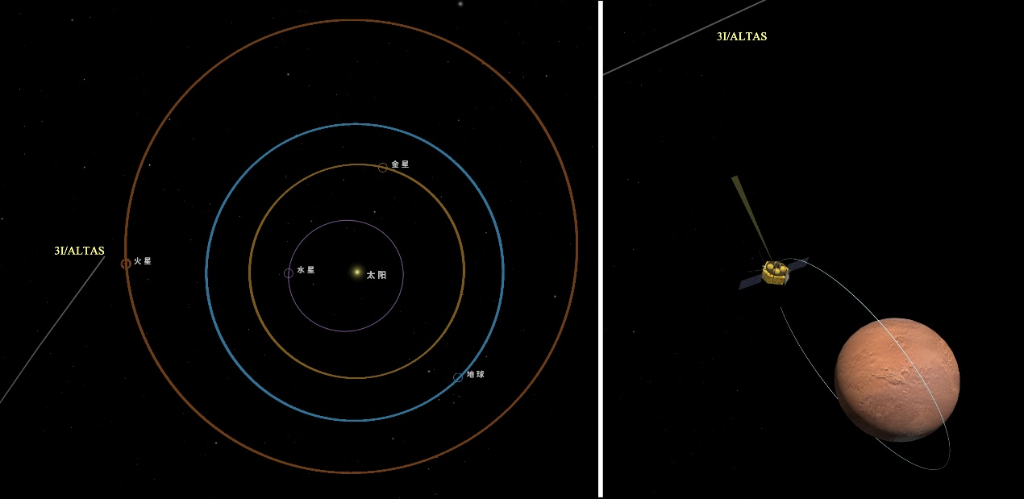
我国航天器首次观测到星际天体:天问一号传回阿特拉斯(3I/ATLAS)新照片!该天体可能比太阳系年龄还老
Mei Ri Jing Ji Xin Wen· 2025-11-06 00:47
Core Insights - The Tianwen-1 orbiter successfully observed the interstellar object Atlas (3I/ATLAS), marking the first time a Chinese spacecraft has observed an interstellar body [1] - Atlas was discovered on July 1, 2025, by a survey telescope in Chile and is the third known interstellar object to visit the solar system, potentially older than the solar system itself [1] - The observation was conducted from approximately 30 million kilometers away, making Tianwen-1 one of the closest detectors to the object [1] Group 1 - The observation of Atlas is a significant extension of the Tianwen-1 mission, providing technical trials for future asteroid exploration with Tianwen-2 [5] - The Tianwen-1 team began preparations for the observation in early September, facing challenges due to the object's distance, speed, and small size [5][6] - The high-resolution camera on Tianwen-1 was originally designed for capturing bright Martian surfaces, making this the first attempt to photograph such a distant and faint target [5][6] Group 2 - The observation required extensive simulations and calculations to assess feasibility, leading to the successful design of a key imaging strategy [6] - Tianwen-1 has been operational since February 2021, maintaining a stable status for 4 years and 8 months [6]
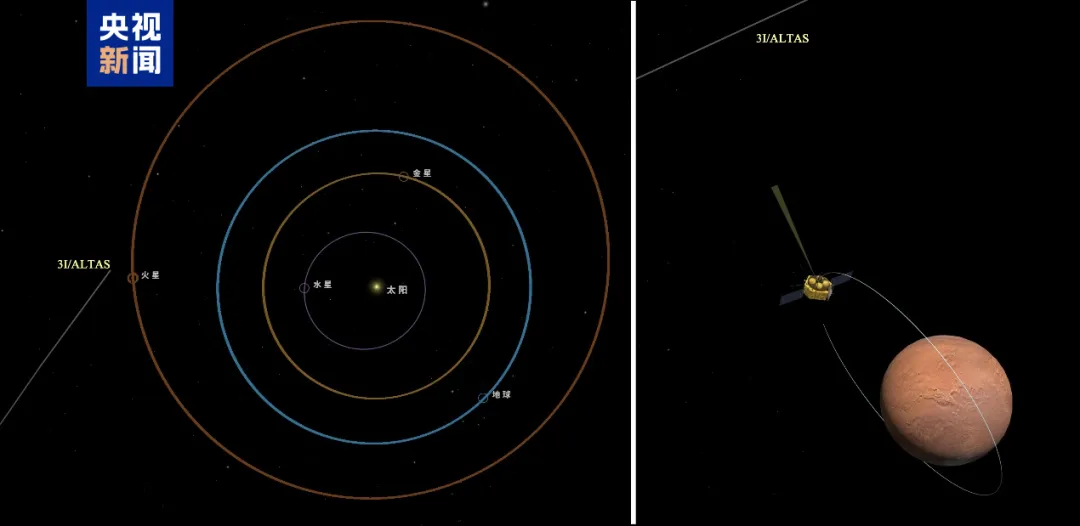
天问一号成功观测到星际天体阿特拉斯
财联社· 2025-11-06 00:19
Core Viewpoint - The successful observation of the interstellar object ATLAS by the Tianwen-1 orbiter represents a significant expansion of its mission capabilities, providing valuable data for future asteroid exploration by Tianwen-2 [2][8]. Group 1: Observation Details - The Tianwen-1 orbiter utilized a high-resolution camera to observe the interstellar object ATLAS from approximately 30 million kilometers away, marking one of the closest observations of this celestial body [2][8]. - The high-resolution camera captured images that clearly displayed the comet-like features of ATLAS, which has a diameter of several thousand kilometers [4]. - A series of images taken over 30 seconds were compiled into an animation to illustrate the motion trajectory of ATLAS, aiding in further research [4]. Group 2: Scientific Significance - ATLAS, discovered on July 1, 2025, by a telescope in Chile, is the third known interstellar object to visit the solar system, traveling on a hyperbolic trajectory [9]. - The object is estimated to be between 3 billion and 11 billion years old, potentially older than the solar system itself, making it a rare sample for studying the composition and evolution of exoplanets and early stellar history [9]. - The Tianwen-1 team began preparations for observing ATLAS in early September, facing challenges due to the object's great distance, high speed (approximately 58 km/s), and small size (nucleus diameter of about 5.6 km) [9]. Group 3: Technical Challenges and Solutions - The high-resolution camera on Tianwen-1 was originally designed for capturing bright Martian surfaces, making this the first attempt to photograph such a distant and faint target, which is 10,000 to 100,000 times dimmer than Martian surfaces [13]. - The Tianwen-1 team conducted extensive simulations and feasibility assessments to adapt the camera's capabilities for this challenging observation, ultimately achieving successful imaging of ATLAS [13]. - The mission has been operational since February 2021, maintaining a stable status for over 4 years and 8 months [14].

新华鲜报|天问一号“惊鸿一瞥”!神秘阿特拉斯彗星特征明显
Xin Hua She· 2025-11-06 00:11
Core Insights - The Tianwen-1 orbiter successfully observed the interstellar object ATLAS, showcasing its comet-like features, which include a nucleus and surrounding coma, at a distance of approximately 30 million kilometers [1][2][5] Group 1: Discovery of ATLAS - ATLAS is the third known interstellar object to visit the solar system, discovered on July 1, 2025, by a telescope in Chile, and is estimated to be between 3 billion to 11 billion years old, potentially older than the solar system itself [1][2] - The high-resolution camera on Tianwen-1 captured significant data, revealing the object's distinct comet characteristics, with a diameter of several thousand kilometers [2][5] Group 2: Preparation and Challenges - The Tianwen-1 orbiter, operational since February 2021, underwent extensive preparations for the ATLAS observation starting in early September, facing challenges akin to "finding a needle in a haystack" due to the object's small size and faint brightness [3][5] - The scientific team conducted simulations and calculations to optimize the imaging strategy, leveraging the orbiter's capabilities to capture images of such a distant and dim target [3][6] Group 3: Technological Significance - This observation marks a significant expansion of Tianwen-1's mission, as the optical payload was originally designed for bright Martian surfaces, making this the first attempt to photograph a distant and relatively faint object [6] - The successful observation of ATLAS serves as a technical trial for future asteroid exploration missions with Tianwen-2, contributing valuable experience for upcoming projects [6]