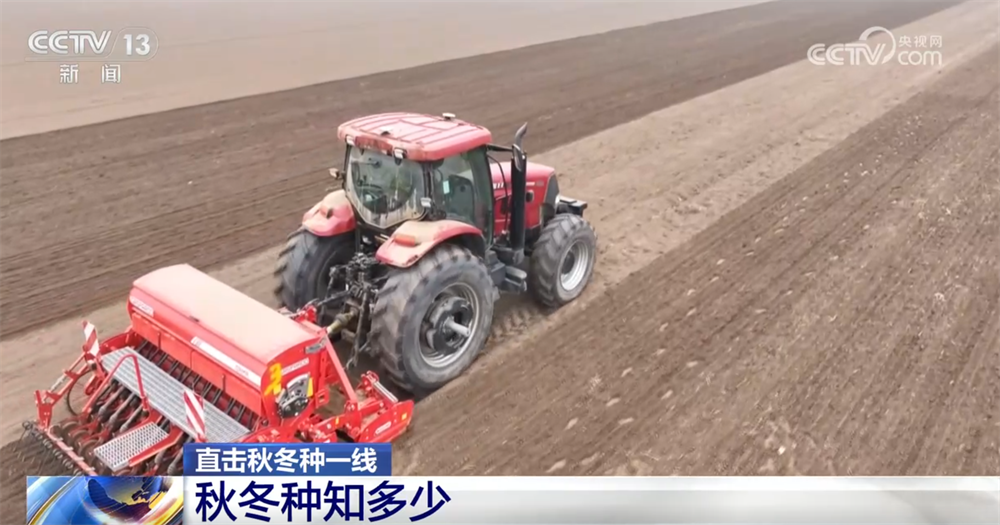
晚播小麦种植管理

Search documents
农业专家“支招”秋冬种一线 怎么种、怎么管、怎么丰收夺高产全都有→
Yang Shi Wang· 2025-11-02 03:46
Core Viewpoint - The autumn and winter sowing season is crucial for ensuring the supply of summer grain, with winter wheat being a key crop for food security in China [1][5]. Group 1: Importance of Autumn and Winter Sowing - Autumn and winter sowing involves planting winter wheat and other crops in the fall and early winter, leading to the first harvest of the year in summer [3]. - Summer grain accounts for about 20% of the total annual grain production, with over 90% of it being winter wheat, making it essential for staple foods like steamed buns and noodles [5]. Group 2: Challenges and Solutions for Late Sowing - The Huang-Huai-Hai wheat region, which produces over 70% of the country's winter wheat, has faced significant rainfall this year, leading to late sowing [7][9]. - Experts recommend focusing on soil moisture management and proper seed selection to ensure high yields despite late sowing [9][13]. - Key strategies include adjusting sowing depth, increasing base fertilizer, and using high-performance sowing machines to improve sowing quality [21][23]. Group 3: Management of Already Sown Winter Wheat - For already sown winter wheat, it is important to check for missing seedlings and replant where necessary to avoid yield loss [24]. - Soil management practices should be adapted to current conditions, with less emphasis on soil compaction due to high moisture levels [26]. - The approach to irrigation, particularly regarding frost water, should be based on soil moisture conditions to ensure optimal growth [28]. Group 4: Winter Irrigation Initiatives - The Ningxia Guohai Yangshui Project has commenced winter irrigation, aiming to irrigate 200,000 acres and divert 30 million cubic meters of water [28].