
智慧交通建设

Search documents
地方交通会议密集召开 智慧交通建设成重点
Xin Lang Cai Jing· 2026-01-29 18:45
Core Insights - In 2026, local transportation investment growth is shifting from large-scale expansion to connotative development, with smart transportation becoming a key focus across various regions [1][2] Investment Trends - As of now, 11 provinces have announced their transportation investment plans for 2026, with six provinces including Fujian and Hebei planning investments exceeding 100 billion, while Shandong and Jiangsu's plans exceed 200 billion [1] - Compared to previous years, most provinces are experiencing a significant slowdown in investment growth, reflecting a profound shift in local transportation investment logic [1] Smart Transportation Initiatives - The "Outline for Building a Transportation Power" issued by the central government emphasizes the development of smart transportation, with the Ministry of Transport promoting the large-scale application of artificial intelligence in the sector [2] - Hunan province plans to accelerate smart transportation construction in 2026, including 11 digital transformation projects for infrastructure [2] - Jiangxi province aims to implement a digital transformation of transportation infrastructure and promote smart waterway construction [2][3] Regional Differentiation - Inner Mongolia plans to implement "Artificial Intelligence + Transportation" actions, focusing on automatic driving freight corridors and zero-carbon transport corridors [3] - The differentiation in smart transportation initiatives across regions reflects the principle of "adapting to local conditions," allowing provinces to leverage their geographical and industrial advantages [3] Future Outlook - Significant breakthroughs in smart transportation construction are anticipated, particularly in autonomous driving, intelligent networking, and digital transformation of transportation facilities [4]
“向人民报告!”
Xin Lang Cai Jing· 2025-12-30 16:03
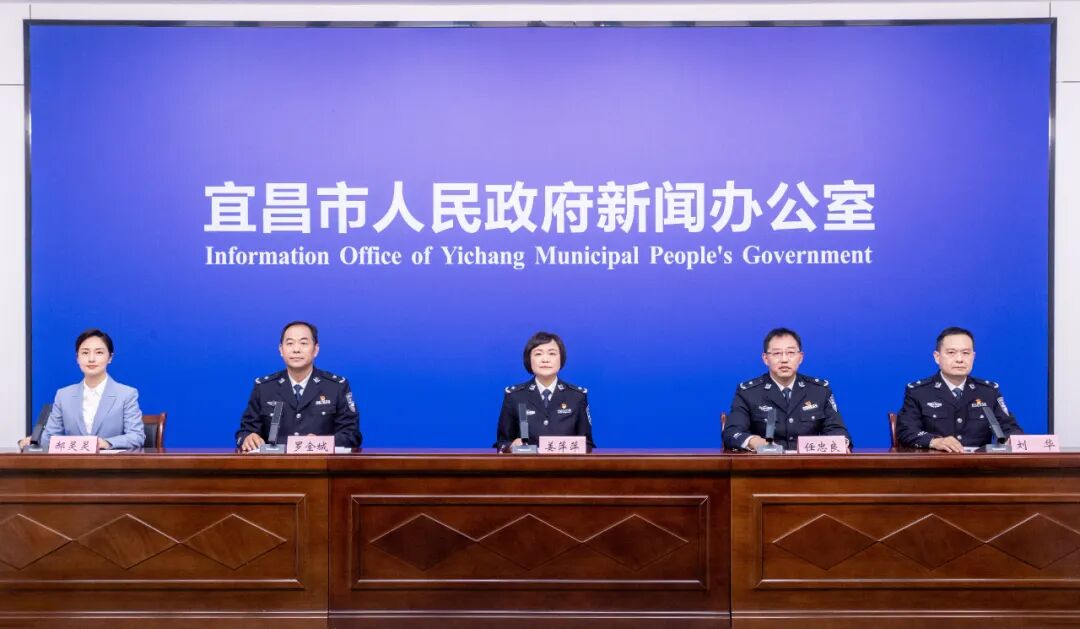
Core Viewpoint - The press conference highlighted the efforts of Yichang's public security to maintain social stability, enhance public safety, and support economic development through various initiatives and reforms [3][5][10]. Group 1: Social Stability and Security - Yichang's public security has prioritized political safety, focusing on key areas to prevent social risks and ensure comprehensive security measures [3]. - The city has achieved a 100% resolution rate for homicides over the past 13 years, with a historic low in criminal case filings and a significant reduction in fraud cases by 34% in terms of incidents and 32% in losses [5]. - The satisfaction rate for public security measures has been consistently high, with Yichang being recognized as a national model city for social security defense systems [5]. Group 2: Economic Development Support - The public security bureau has implemented the "Twelve Measures for Benefiting the People and Enterprises," conducting over 600 legal risk assessments for businesses and transitioning from reactive to proactive crime prevention [4][10]. - A total of 149 economic crime cases were resolved this year, recovering 130 million yuan for businesses, marking a 26% increase compared to the previous year [10]. - The bureau has introduced various measures to optimize the business environment, including easing residency restrictions and enhancing service efficiency through online platforms [11]. Group 3: Public Safety Innovations - Yichang has developed a smart traffic management system that has improved traffic flow, reducing congestion by 8.5% despite a 4.6% increase in traffic volume [9]. - The integration of drones and ground patrols has created a rapid response system for traffic incidents, enhancing the efficiency of incident management [9]. - The city has also implemented a digital platform for large events, improving safety and attendee experience through advanced technology [14]. Group 4: Law Enforcement Modernization - The establishment of a big data operational center has enabled predictive policing, with a focus on preventing crimes before they occur [15]. - The use of advanced technologies, such as drones and AI, has been integrated into law enforcement practices, significantly improving response times and crime prevention capabilities [16]. - The introduction of a unified QR code system for emergency reporting has streamlined access to public services and enhanced community safety [16].

苏州市政协视察调研我市公安交通管理工作
Su Zhou Ri Bao· 2025-09-05 00:12
Core Insights - The article discusses the inspection and research conducted by the Suzhou Municipal Political Consultative Conference on the traffic management work of the Suzhou Public Security Bureau, emphasizing the importance of enhancing traffic safety and efficiency in the city [1][2] Group 1: Traffic Management Overview - The total number of motor vehicles in Suzhou is 5.859 million, with 5.75 million being cars and an average of 1,628 new vehicles registered daily; the number of registered electric bicycles is 12.121 million [1] - The Suzhou Public Security Traffic Management Department is focusing on the "two smooth and two prevention" work goals and is implementing the "15533" work strategy to enhance traffic safety, efficiency, and service quality [1] Group 2: Proposal and Implementation - In 2025, the traffic management department will handle 23 proposals from the Political Consultative Conference, addressing issues such as electric bicycle safety management, ride-hailing industry regulation, and the establishment of support stations for delivery riders; all proposals have been completed [1] Group 3: Recommendations and Future Directions - Recommendations from the inspection include strengthening technology empowerment and smart traffic construction, enhancing public awareness of traffic safety, and improving the training and welfare of police officers [2]