
智慧民航建设

Search documents
客货并举增质效 淮安机场年旅客吞吐量突破200万人次
Zhong Guo Min Hang Wang· 2025-12-31 04:31
Core Insights - The article highlights the significant milestone achieved by Huai'an Airport, with annual passenger throughput surpassing 2 million for the first time, marking a 9.4% year-on-year increase, and cargo throughput reaching 9,600 tons, up 68.3% [1][5]. Group 1: Passenger and Cargo Growth - In 2025, Huai'an Airport opened routes to 34 domestic cities, including Guangzhou and Shenzhen, in collaboration with 15 airlines, focusing on increasing flights to the Guangdong-Hong Kong-Macao Greater Bay Area [5]. - The airport implemented an innovative "domestic continuation mixed loading model" for its Huai'an-Osaka all-cargo route, significantly reducing logistics costs for local enterprises [5]. - The airport's daily cargo volume on the Osaka route averages 12 tons with a 100% load factor, contributing to a notable increase in cross-border e-commerce exports from the city [5]. Group 2: Safety and Digital Transformation - Huai'an Airport ranked first in voluntary safety reports among Eastern Airport Group and achieved the highest quality score among medium-sized airports in East China [7]. - The airport is a pilot for "smart civil aviation construction" and has developed a shared situational awareness platform based on airport map data, enhancing safety and operational efficiency [7]. - The successful completion of a visual landing trial in East China on September 23, 2025, has improved runway efficiency by reducing flight intervals and times [7]. Group 3: Service Quality and Community Engagement - The airport maintains a commitment to high-quality service, achieving a flight release punctuality rate of 92.04% through optimized resource allocation and process improvements [8]. - Huai'an Airport has received multiple awards for service quality, including recognition as an "Excellent Airport in the 100-200 Million Passenger Volume Category" [8]. - The airport emphasizes the integration of party-building initiatives with operational practices, leveraging local resources for educational purposes and enhancing community engagement [8]. Group 4: Future Outlook - With the passenger throughput milestone as a new starting point, Huai'an Airport aims to further enhance its route network, smart operations, and service quality, striving for improvements in economic, social, industrial, and developmental benefits [9].

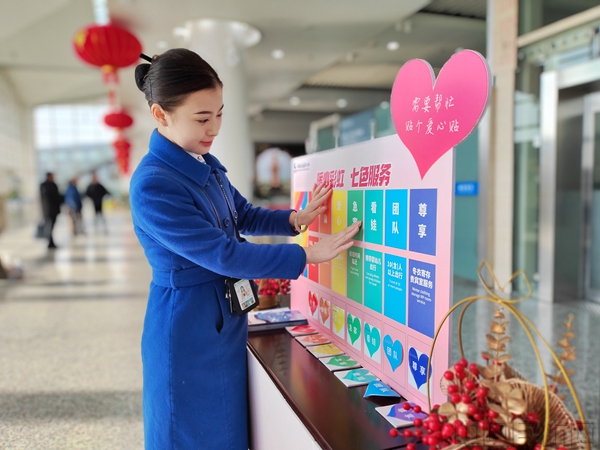
乐摩吧入驻四大枢纽机场升级旅途体验 港股上市开启新征程
Zhong Guo Min Hang Wang· 2025-12-22 06:48
Core Insights - By the end of 2025, Lemo Technology will achieve dual breakthroughs in business layout and capital operation, with its "Lemo Bar" smart massage service entering four major hub airports: Beijing Capital, Shanghai Pudong, Guangzhou Baiyun, and Chongqing Jiangbei [1] - The parent company, Lemo Technology Service Co., Ltd., successfully listed on the Hong Kong Stock Exchange, marking a new phase of capital empowerment for the company [1] - The solid offline scene establishment lays a strong foundation for the listing, while support from the capital market will accelerate the comprehensive development of its smart health service ecosystem [1] Business Strategy - Lemo Bar tailors differentiated resting spaces for the four airports, reflecting local cultural elements and enhancing the passenger experience [1] - At Beijing Daxing International Airport, the design incorporates elements of imperial architecture, showcasing the capital's dignified character [1] - Shanghai Pudong International Airport blends modern aesthetics with Eastern influences, catering to the diverse cultural positioning of the international hub [1] - Guangzhou Baiyun International Airport integrates Lingnan cultural features, serving as a micro-window to showcase Cantonese culture [1] Compliance and Sustainability - Lemo Bar practices the "Four Types of Airport" construction requirements by using recyclable and eco-friendly materials, supporting low-carbon operations [2] - The company utilizes its self-developed LMB Links digital management platform for intelligent management of equipment operations and user services, aiding in refined airport management [2] - A comprehensive safety protection system is established, combining hardware, software, and management, with equipment made from flame-retardant materials and multiple safety devices [2] Future Development - The company plans to leverage resources from its listing to deepen cooperation with the civil aviation system, gradually expanding to more trunk airports [2] - New generations of smart devices with health monitoring and value-added features will be developed to upgrade services from "fatigue relief" to "health care" [2] - Lemo Technology aims to contribute to the construction of smart civil aviation [2]
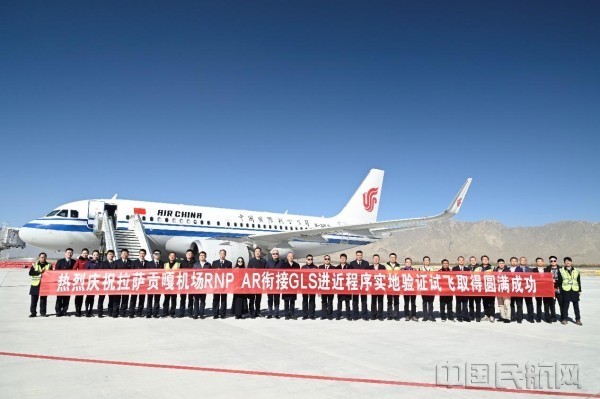
航科院完成拉萨贡嘎机场GLS程序设计与验证保障
Zhong Guo Min Hang Wang· 2025-12-01 12:18
Core Viewpoint - The successful flight test of the Airbus A319neo at Lhasa Gonggar International Airport marks a significant advancement in the application of GBAS navigation technology in high-altitude airports, integrating RNP AR procedures with GLS precision approach technology for the first time globally [1][2]. Group 1: Flight Test Achievements - The flight test was conducted on November 21, 2025, and represents the first verification of GBAS navigation technology at a high-altitude airport in China [1]. - This test achieved the first-ever dual precision approach capability at Lhasa Airport, enhancing operational safety and flight efficiency in complex high-altitude environments [1][2]. Group 2: Technical Innovations - The test utilized domestically developed ground navigation equipment that has received airworthiness certification, showcasing China's complete intellectual property rights in the integration of RNP AR and GLS technologies [2]. - The GLS program effectively combines the flexibility of RNP AR paths with the high precision and vertical guidance capabilities of GLS, overcoming limitations of traditional navigation methods in challenging terrains and adverse weather conditions [2]. Group 3: Future Developments - Following the successful test, the Civil Aviation Science and Technology Institute plans to collaborate with multiple technical teams to focus on the deep application and innovative integration of GLS technology, accelerating the transformation and promotion of technological achievements [3].

第五届民航运行数据共享联席大会暨管理委员会第一次会议召开
Zhong Guo Min Hang Wang· 2025-11-13 08:49
Core Viewpoint - The fifth Civil Aviation Operation Data Sharing Joint Conference and the first meeting of the management committee were held in Xi'an, focusing on enhancing data sharing applications in civil aviation and consolidating the effectiveness of data sharing mechanisms [2][3]. Group 1: Meeting Objectives and Discussions - The meeting aimed to implement the Civil Aviation Administration's (CAA) work deployment regarding the construction of smart civil aviation, emphasizing typical business scenarios and strengthening data sharing applications [2]. - The CAA's Development Planning Department presented the development history of smart civil aviation data governance and considerations for data management policy and resource system construction [2]. - The CAA's Transportation Department proposed requirements for promoting platforms such as "trunk and branch connectivity," air-rail intermodal transport, and air express lines to facilitate data sharing applications [2]. Group 2: Data Sharing Agreements and Participation - Eight units, including China Southern Cargo Airlines and JD Airlines, joined the "Civil Aviation Operation Data Sharing Agreement," while Nanjing University of Aeronautics and Astronautics joined the "Civil Aviation Operation Data Sharing Research Application Agreement" [3]. - The total number of units covered by civil aviation operation data sharing has reached 342 [3]. Group 3: Special Working Groups and Research Initiatives - Based on previous data application research proposals, the management committee approved the establishment of 11 special working groups led by various organizations, focusing on topics such as atmospheric vortex dissipation rate data sharing, full-process flight tracking, cockpit data application research, and intelligent schedule adjustments [3]. - These initiatives aim to further unlock the value of data elements and stimulate collaborative innovation within the industry [3].
校验中心党委传达学习贯彻 党的二十届四中全会精神
Zhong Guo Min Hang Wang· 2025-11-05 02:56
Core Viewpoint - The meeting emphasized the importance of the 20th Central Committee's Fourth Plenary Session in guiding the current and future work of the civil aviation flight verification center, aligning with national development goals and strategies for the next five years [1][2]. Group 1: Meeting Highlights - The meeting was chaired by the center's Party Secretary Meng Qingfen and attended by key officials, focusing on the implementation of the session's spirit [1]. - The session is seen as a critical political task for the entire party and nation, aimed at enhancing governance effectiveness and fulfilling responsibilities [2]. - The center's Party Committee is tasked with leading specialized learning initiatives to promote the session's principles among all staff [2]. Group 2: Strategic Directions - The center is required to align its development with the overall trends in the civil aviation industry during the 14th Five-Year Plan period [3]. - There is a focus on improving verification capabilities for new aviation technologies and expanding international verification markets, particularly in line with the Belt and Road Initiative [3]. - The center aims to translate the session's spirit into concrete actions to ensure safety across all areas of its operations [3].
共话全球航空新蓝图 北外滩航运航空论坛发布多项成果
Zhong Guo Qing Nian Bao· 2025-10-22 23:08
Core Viewpoint - The 2025 North Bund International Shipping Forum in Shanghai focuses on "collaboration to promote global shipping sustainable development," highlighting the integration of technology and innovation in the aviation and tourism sectors [2][3]. Group 1: Forum Overview - The forum includes a main session on international green shipping, an international maritime forum, and an international aviation forum, along with several sub-forums and special activities [2]. - Nearly 300 representatives from the global aviation sector participated in discussions on new trends and paths for aviation development [2]. Group 2: Shanghai's Aviation Strategy - Shanghai aims to build a world-class, comprehensive international aviation hub, enhancing its global influence through innovation and technology [2]. - The city is positioned at a critical juncture for upgrading its international aviation hub capabilities amid significant global changes [2]. Group 3: Technological Integration - The Civil Aviation Administration of China emphasizes the importance of technology innovation in achieving a smart and sustainable aviation sector [3]. - The "smart chain" initiative aims to connect technological elements, integrate industry ecosystems, and link global cooperation [3]. Group 4: New Business Models - The "Aviation + Business Travel and Cultural Exhibition" initiative aims to create a new service ecosystem, promoting innovative practices in the aviation and tourism sectors [4]. - China Eastern Airlines (CEA) and Shanghai Airport showcased their "Aviation + Culture and Tourism" innovations through immersive technology experiences [4]. Group 5: New Consumer Offerings - CEA launched the "China Pass Card," offering various exclusive benefits for inbound travelers, aiming to create a trillion-level inbound consumption ecosystem [5]. - The card includes discounts on CEA tickets, in-flight Wi-Fi, and free half-day tours for transit passengers [5]. Group 6: Flight Experience Enhancements - CEA introduced themed flights on nearly 400 routes to promote the forum's values and enhance passenger experience [6]. - The airline's new routes and network expansions aim to strengthen its position as a leading international carrier [6]. Group 7: Hub Development Metrics - In 2024, CEA is expected to handle 8.36 million international transfer passengers at Pudong Airport, accounting for 80.9% of total airport traffic [7]. - The airline's international transfer passenger numbers are projected to grow by 26.8% in the first half of 2025 [7]. Group 8: Collaborative Achievements - CEA and Shanghai Airport have worked together to establish Shanghai as China's largest aviation hub, with CEA being the domestic airline with the most international destinations [8]. - The focus on innovation and high-quality development is seen as essential for the future of the civil aviation industry [8].



民航江苏监管局应急协调管理与远程监管系统项目启动施工
Zhong Guo Min Hang Wang· 2025-09-02 05:31
Core Insights - The Jiangsu Civil Aviation Regulatory Bureau has officially launched the construction of the Emergency Coordination Management and Remote Supervision System project, which is a key initiative aimed at enhancing safety regulation efficiency, optimizing emergency response processes, and promoting smart civil aviation development [1][2] Group 1 - The project involves collaboration among various stakeholders, including project construction leaders, management teams, engineering supervisors, design units, and four winning companies, to ensure effective communication and coordination during the construction phase [1] - The regulatory bureau has emphasized three core principles for the project: safety, quality, and collaboration, which will be integrated throughout the entire project lifecycle [1][2] - The project is considered a benchmark for smart civil aviation construction, with a focus on high-quality completion and strict adherence to safety and quality standards [2] Group 2 - Specific work requirements have been outlined for the construction process, including the need to maintain stringent safety responsibilities, uphold high-quality standards, and ensure seamless collaboration among all parties involved [2] - The commencement of construction marks a new phase in the project, with the regulatory bureau committed to a meticulous work style to ensure effective project management and quality control [2] - The project is expected to significantly contribute to the overall safety and efficiency of civil aviation operations in the region [1][2]
航班推出等待缩短2分钟 浦东机场启用航班地面智能排序系统
Zhong Guo Min Hang Wang· 2025-07-26 09:41
Core Insights - The introduction of the intelligent flight ground sorting system at Pudong Airport aims to enhance operational efficiency and reduce average waiting times for flights by approximately 2 minutes, with a projected annual fuel savings of over 9,000 tons for airlines [1][2]. Group 1: System Implementation and Benefits - The intelligent flight ground sorting system is the first of its kind in the industry, designed to improve ground operation efficiency and support the development of Shanghai as a comprehensive international aviation hub [1][2]. - The system integrates data from the electronic process system and airport collaborative decision-making (A-CDM) system, enabling real-time information sharing among air traffic control, the airport, and airlines [2]. - During the summer peak season, the system contributed to an average reduction of about 50 seconds in ground taxiing time, with a year-on-year increase of 4.99 percentage points in flight release normality and 7.42 percentage points in flight takeoff normality [3]. Group 2: Technological Innovations - The system employs intelligent algorithms to automatically generate optimal flight release sequences based on dynamic parameters such as departure time slots, aircraft types, and parking positions [2]. - A visual sorting interface displays real-time airport ground and air coordination, facilitating integrated management of multi-runway and multi-terminal operations [2].
民航局运行监控中心调研民航运行数据管理工作
Zhong Guo Min Hang Wang· 2025-05-31 03:52
Core Viewpoint - The Civil Aviation Administration of China (CAAC) is enhancing the management and sharing of civil aviation operational data to support the development of a smart civil aviation system, emphasizing collaboration among various units and the importance of data governance and application scenarios [4][5]. Group 1: Data Management and Sharing - The CAAC's operational monitoring center conducted a research meeting in Chengdu to discuss the management of civil aviation operational data and gather suggestions for improving data sharing mechanisms and utilization [1]. - The meeting included a report on the revisions of the "Civil Aviation Operational Data Sharing Research Application Agreement" and the "Civil Aviation Operational Data Sharing Decision-Making Mechanism Charter," aimed at ensuring data security and maximizing data value [4]. - The CAAC introduced plans to include flight operation data in the first batch of the "Civil Aviation Public Data Resource Directory" and the "Civil Aviation Shared Data Resource Directory" [4]. Group 2: Strategic Initiatives - The CAAC emphasized the need for close cooperation among civil aviation units to innovate management and mechanisms, leveraging public data to enhance operational efficiency [5]. - Key initiatives discussed included strengthening data governance, expanding public data supply, and driving scenario-based applications to improve quality, reduce costs, and support research innovation in civil aviation [5]. - The meeting highlighted the importance of preparing for the fifth joint meeting on civil aviation operational data sharing and the third meeting of the management committee [5].
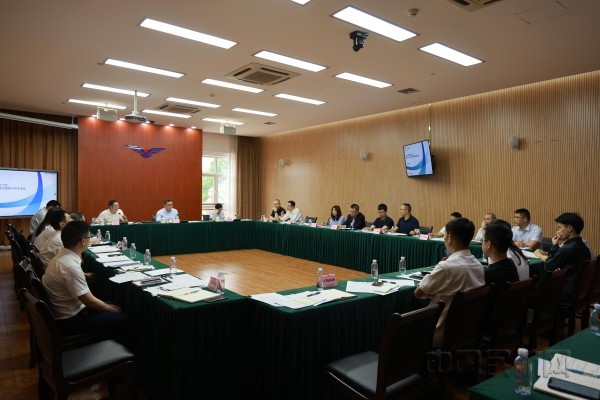
哈尔滨机场与民航大学MBA移动课堂调研团开展交流研讨
Zhong Guo Min Hang Wang· 2025-05-27 11:04
Core Insights - The Harbin Airport Operations Control Center showcased innovative practices in operational management during a recent visit by 40 industry professionals, emphasizing the development of smart civil aviation [1][2] - The center demonstrated the "Harbin Plan" for special weather assurance, which effectively reduced flight delays during snowy conditions to under 45 minutes through a series of proactive measures [1] - The airport's experience in supporting the Asian Winter Games was highlighted, achieving a 100% accuracy rate in VIP flight guarantees through a comprehensive service system [1] Group 1 - The Operations Control Center presented the "Eight-Step Work Method" to address challenges posed by winter weather, including early meteorological consultations and rapid release mechanisms [1] - The center implemented a "Daily Double Review" mechanism to address operational issues, resolving over 120 problems related to equipment and process integration [2] - The successful transition of 55 remote parking positions was achieved through a "Three-Dimensional Control Method," ensuring smooth operations from simulation to full production [2] Group 2 - The visit served as a platform for sharing industry experiences and fostering ideas for the construction of smart civil aviation [2] - The Harbin Airport Operations Control Center aims to enhance its core capabilities in "precise command, efficient collaboration, and smart innovation" to contribute to the development of the Northeast Asia international aviation hub [2]