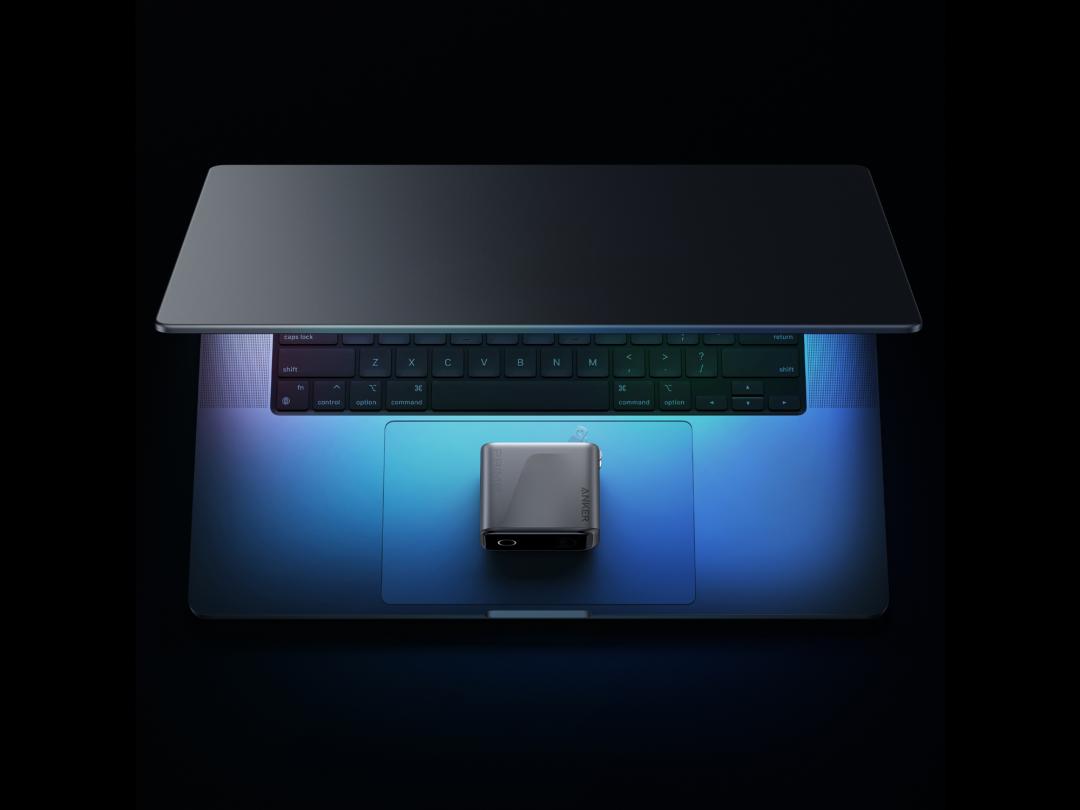
智能化充电

Search documents
行业级技术下沉,安克在做一件更「重」的事
3 6 Ke· 2026-01-30 10:27
Core Insights - The consumer electronics industry is experiencing a shift where user expectations are moving from individual specifications to overall user experience, particularly in high-load and multi-device scenarios [1][2] - Chargers have become essential infrastructure that must handle multiple demands simultaneously, emphasizing stability and collaboration over peak performance [2][3] Product Development - Anker has introduced the Anker Prime Smart Display Charger Pro 160W, which aims to integrate engineering standards from industrial devices into consumer products, focusing on systematic stability [3][5] - The Anker Prime Smart Display Charger Pro is characterized by high power output, multi-port fast charging, and compact design, meeting consumer expectations for high-end chargers [5][8] Market Dynamics - The high-power charger market is heavily reliant on parameter competition, leading to a focus on short-term peak performance rather than long-term stability under load [7][10] - Anker's approach addresses the engineering challenges of maintaining high power output, safety, and compactness simultaneously, which is often a trade-off in the industry [10][12] Engineering Innovations - Anker has adopted a multi-level DC-DC architecture to enhance efficiency and reduce energy loss, a technology typically used in industrial applications [11][12] - The charger achieves an energy conversion rate of over 95% and reduces heat generation by 40% to 60%, while maintaining a compact size of 210g [12][14] Research and Development - Anker's R&D investment reached 1.195 billion yuan in the first half of 2025, a 49.35% increase year-on-year, with a total of nearly 3 billion yuan invested over the past three years [14] - The company has been granted 306 new patents in 2025, reflecting its commitment to innovation in the charger and power management sector [14] User Experience - The Anker Prime Smart Display Charger Pro allows users to perceive and manage power distribution and temperature control, enhancing the overall charging experience [21][22] - This shift from merely charging speed to intelligent management of charging processes represents a significant evolution in consumer expectations for chargers [22]