智能化拆解

Search documents
新规正在酝酿,废弃电器电子产品处理行业面临调整
Di Yi Cai Jing· 2025-10-14 01:57
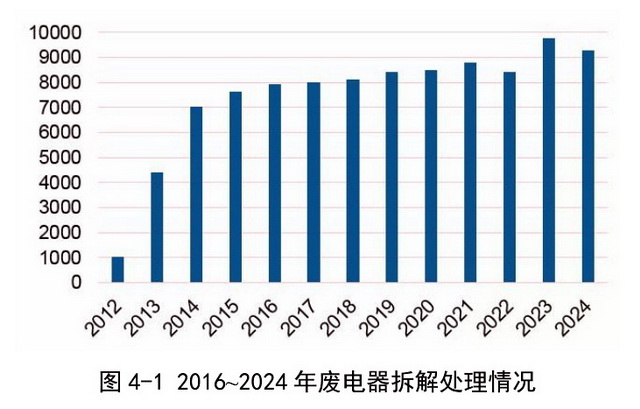
Core Viewpoint - The waste electrical and electronic products (WEEE) processing industry in China is undergoing significant adjustments with the introduction of new pollution control technology standards aimed at enhancing environmental management and promoting sustainable practices [1][5][7]. Group 1: New Standards and Principles - The newly proposed standards emphasize the principles of "reduction, resource utilization, and harmlessness," encouraging the adoption of automated sorting and intelligent disassembly technologies to reduce pollution and carbon emissions [1][7]. - The draft standard, titled "Pollution Control Technology Specification for Waste Electrical and Electronic Products Processing," is designed for enterprises engaged in waste electrical equipment processing, covering pollution control requirements throughout the entire lifecycle from storage to disposal [1][5]. Group 2: Industry Trends and Challenges - The volume of waste electrical products is expected to rise significantly, with an estimated 94 million units (sets) of "four machines and one brain" (TVs, refrigerators, washing machines, air conditioners, and computers) to be dismantled in 2024, resulting in approximately 2.65 million tons of waste [1][3]. - The current industry primarily relies on manual disassembly, while developed countries favor automated processes due to high labor costs, highlighting the need for efficiency improvements in China's processing methods [2]. Group 3: Pollution Control Measures - The new standards introduce specific pollution control measures for different types of waste electrical products, focusing on critical pollution-generating stages and the types of pollutants involved, such as lead glass in CRT displays and refrigerants in refrigerators and air conditioners [3][5]. - The standards also mandate enhanced storage requirements, including separate storage areas for hazardous materials and clear labeling to prevent contamination and ensure safety [7][8]. Group 4: Regulatory Oversight and Compliance - The draft emphasizes the need for increased regulatory oversight of waste electrical equipment processing enterprises, including regular inspections and compliance checks against the new standards [8][9]. - The standards will be periodically evaluated and revised to incorporate new processing technologies and pollution control requirements, ensuring that the industry adapts to evolving environmental challenges [9].