
服务思维

Search documents
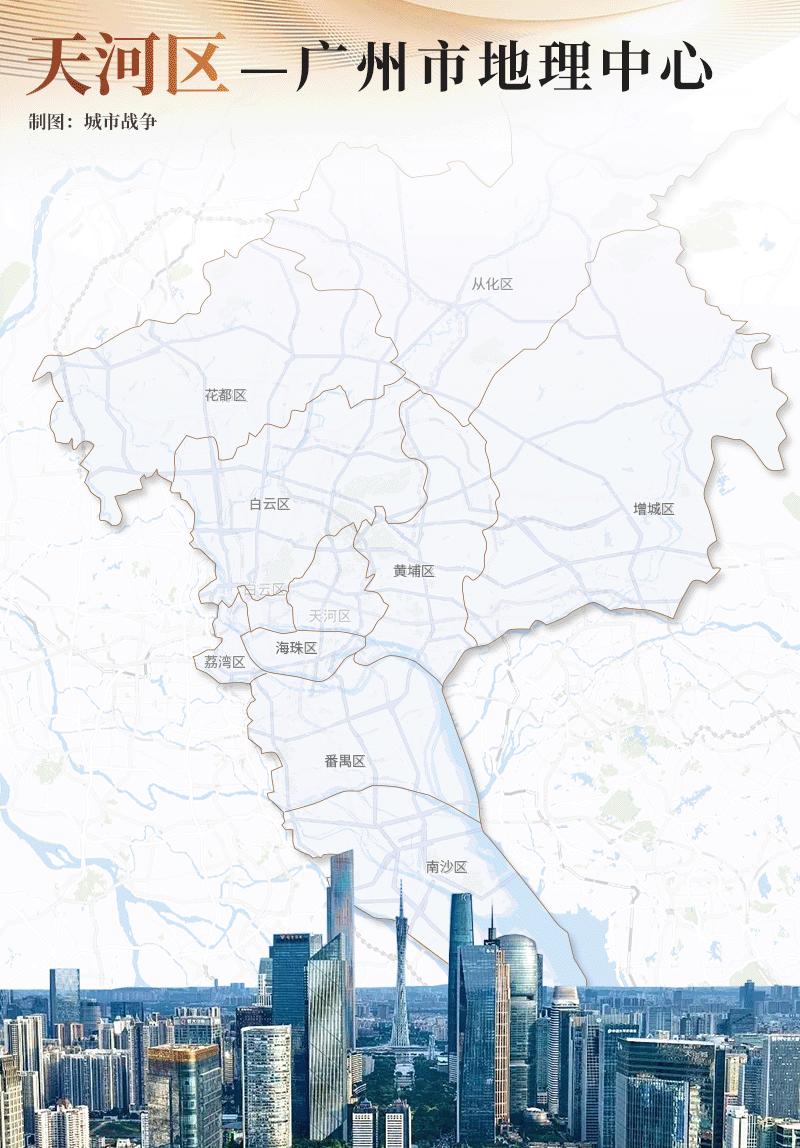
在广州的心脏区域,天河悄悄打了一场“硬仗”
3 6 Ke· 2025-12-18 02:52
Core Viewpoint - The strategic importance of Tianhe as Guangzhou's CBD is primarily determined by its geographical location, which facilitates business operations across the city [1] Group 1: Geographical and Infrastructure Development - Tianhe's central location impacts the entire city's traffic network, making it crucial for overall urban efficiency [3] - The "Six Horizontal and Seven Vertical" project aims to address regional development imbalances by enhancing the road network [6] - The road network density in Tianhe varies significantly, with the western area at 8.85 km/km² compared to 5.45 km/km² in the east and 4.66 km/km² in the north, indicating a need for improved connectivity [6] Group 2: Project Progress and Impact - By the end of the year, 9 projects under the "Six Horizontal and Seven Vertical" initiative have been completed, adding 16.53 kilometers of new roads, with expectations to reach 30 kilometers, exceeding the annual target by 15% [11] - The completion of the Yuejing Road West section has significantly improved traffic flow, reducing commute times by up to 30 minutes for local residents [7] - The newly opened Jianming Sixth Road enhances north-south connectivity, linking key industrial areas and improving traffic efficiency [9] Group 3: Strategic Shift in Urban Planning - The road construction in Tianhe reflects a shift from a "construction mindset" to a "service mindset," focusing on tailored solutions for specific area needs rather than mere expansion [14] - The planning of road networks now considers multiple scenarios, such as accommodating both peak event traffic and daily commuting needs, exemplifying a flexible urban infrastructure approach [16] - This transformation aligns with broader urban development trends emphasizing quality and livability over mere growth, as highlighted in recent national urban planning discussions [16]

未来优秀的领导者该长什么样?来自全球 140位CEO 的共识
Sou Hu Cai Jing· 2025-09-02 14:37
Core Insights - The article discusses the evolving concept of leadership and the essential skills and mindsets required for future leaders to succeed in a rapidly changing environment [2][4][22]. Group 1: Leadership Concept - Leadership has historical roots dating back to 900 AD, with varying definitions and qualities emphasized by different CEOs, including humility, empathy, and business acumen [3][4]. - The number of leaders is projected to increase significantly, with an estimated 437.5 million leaders globally by 2030, highlighting the importance of understanding effective leadership [4][5]. Group 2: Impact of Leadership - Poor leadership can lead to severe consequences for individuals and organizations, including increased employee depression and dissatisfaction, as well as high turnover rates and low organizational effectiveness [5][6]. - Conversely, effective leaders can double company profits and significantly enhance employee loyalty and engagement, positioning their organizations for long-term success [6][7]. Group 3: Future Leadership Skills - The article outlines nine key points for future leadership, categorized into four mindsets and five core skills necessary for navigating complex environments [7][24]. - The four mindsets include: 1. Explorer Mindset: Emphasizes continuous exploration and turning the unknown into strategic opportunities [9]. 2. Chef Mindset: Focuses on balancing resources to create innovative solutions [10][12]. 3. Service Mindset: Shifts from authoritative command to empowering support [19]. 4. Global Citizen Mindset: Balances global perspectives with local practices [20]. Group 4: Key Skills for Future Leaders - The five essential skills for future leaders are: 1. Futurist Skill: Involves anticipating trends and formulating forward-looking strategies [26][27]. 2. Yoda Skill: Centers on ethical decision-making and emotional intelligence [29][30]. 3. Translator Skill: Highlights the importance of communication and listening across disciplines [33]. 4. Coach Skill: Focuses on unlocking team potential rather than providing direct answers [35]. 5. Tech-Savvy Skill: Requires a deep understanding of technology's impact on business [37]. Group 5: Leadership Theory - The "4+5" leadership theory proposed in the article emphasizes a shift from a control paradigm to a collaborative approach, advocating for trust-building and alliance formation to achieve goals [38].