服务新体验

Search documents
自驾出行占比八成左右,高速公路服务区迎来“春运大考”
Xin Lang Cai Jing· 2026-02-11 12:33
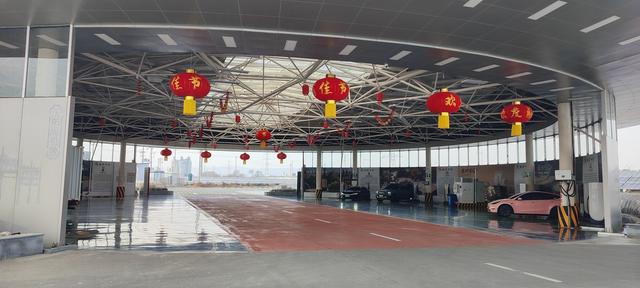
Core Insights - The 2026 Spring Festival travel period is expected to see 9.5 billion trips, with self-driving travel remaining dominant at around 80% of total trips. The total number of trips made by new energy vehicles (NEVs) is projected to reach a historical high of 380 million [1] Group 1: New Energy Vehicle Infrastructure - The G22 Qinglan Expressway's Jiejiazui service area has introduced a "near-zero carbon service area" featuring a "light-storage-charging supercharging station" that allows NEVs to recharge in just 20 minutes, alleviating range anxiety for drivers [3] - Gansu Province plans to accelerate its new energy layout by constructing 24 new supercharging stations by 2025, with smart charging networks covering 43 service areas. The number of NEVs serviced by the charging stations increased by 40.14% in the first five days of the Spring Festival travel period [3] Group 2: Smart Charging Solutions - Service areas in Henan have implemented a smart charging platform that allows real-time vacancy checks, reservation of charging slots, and contactless payments, enhancing the charging experience for long-distance travelers [4] - In Hubei, service areas provide one-on-one operational guidance for first-time users of charging facilities to improve efficiency during peak charging times [4] Group 3: Enhancing Travel Experience - Many service areas are evolving from basic functionality to creating new consumer experiences, such as the "Song Culture" themed service area in Kaifeng, which offers local cultural experiences alongside food [6][8] - The Yangcheng Lake service area, one of the largest in China, incorporates elements from traditional Suzhou gardens and offers various activities, leading to an increase in the average stay time for NEV drivers from 15 minutes to 45 minutes [8] Group 4: Comprehensive Service Improvements - The Ninghu Expressway's Dahu service area has dedicated RV parking spaces and facilities for RV travelers, including charging and water supply, with plans for significant upgrades by 2025 [10] - Gansu has introduced a "car and cargo worry-free" public liability insurance for trucks entering service areas, along with medical assistance services in 16 service areas [10] Group 5: Ongoing Service Optimization - Shandong service areas provide free hot water, food heating, and mobile charging, with some locations offering free shower services [11] - The implementation of age-friendly facilities, such as accessible restrooms in Henan, demonstrates a commitment to improving the travel experience for all demographics [11]

财经聚焦丨自驾出行占比八成左右 高速公路服务区迎来“春运大考”
Xin Hua Wang· 2026-02-11 12:01
Core Insights - The 2026 Spring Festival travel period is expected to see 9.5 billion trips, with self-driving travel remaining dominant at around 80% of total trips. The total number of trips made by new energy vehicles is projected to reach a historical high of 380 million [1] Group 1: New Energy Vehicle Infrastructure - The Gansu province has introduced its first near-zero carbon service area, featuring a "light-storage charging supercharging station" that allows for a full charge in 20 minutes, alleviating range anxiety for drivers [4] - Gansu's highway service group plans to accelerate its new energy layout by constructing 24 new supercharging stations by 2025, with smart charging networks covering 43 service areas. The number of new energy vehicles serviced by charging stations increased by 40.14% in the first five days of the Spring Festival travel period [4] - In Henan, highway service areas have achieved full charging coverage and launched a smart charging platform that allows real-time vacancy checks, reservations, and contactless payments [4] Group 2: Emergency Response and Service Enhancements - In Hubei, service areas provide one-on-one operational guidance for first-time users of charging facilities to improve efficiency during peak charging times [5] - In Jiangsu, emergency charging vehicles are deployed to assist when the queue exceeds five vehicles, capable of arriving within 10 minutes to provide charging [5] Group 3: Consumer Experience and Cultural Integration - Many highway service areas are evolving from basic functionality to creating new consumer experiences, integrating local cultural elements such as the "Song Culture" theme in service areas [6][7] - The Yangcheng Lake service area, one of the largest in China, incorporates elements from traditional Suzhou gardens and offers various cultural activities, resulting in an increase in the average stay time for new energy vehicle owners from 15 minutes to 45 minutes [7][8] Group 4: Comprehensive Service Improvements - Various service areas are enhancing their offerings, such as providing free hot water, food heating, and mobile charging, with some areas also adding free shower services [13] - The introduction of age-friendly facilities, such as accessible restrooms, has been noted to improve the travel experience for older passengers [14]