
消费新场景

Search documents
“最长春节假期”激活内需潜力
Xin Lang Cai Jing· 2026-02-24 22:23
Group 1 - The core viewpoint of the article highlights the strong domestic consumption and investment activity during the extended Spring Festival holiday, indicating a robust recovery in the economy [1][2][4]. - Key retail and catering enterprises experienced a daily sales increase of 5.7% compared to the 2025 Spring Festival holiday, with over 28 billion people traveling across regions [1]. - Domestic travel reached 596 million person-times, with total spending amounting to 803.483 billion yuan during the holiday [1]. Group 2 - The optimization of the holiday system has released time dividends, further stimulating consumer activity, particularly in the tourism sector, where the average travel days per person increased by 1.1 days to 5.9 days compared to the previous year [2]. - The report from the China Travel Service Association and Tuniu indicates that long-distance travel orders (over 5 days) accounted for 59.6% of total orders, reflecting a shift towards longer vacations [2]. - New consumption scenarios, such as the "movie + market" concept in Changsha, have emerged, enhancing the holiday experience and driving sales across various sectors [3]. Group 3 - Government policies have been implemented to boost consumer welfare and market vitality, including a total of 625 billion yuan allocated for consumer goods replacement subsidies and 20.5 billion yuan for direct consumer incentives during the holiday [4]. - Key monitored pedestrian streets and business districts saw a 6.7% increase in foot traffic and a 7.5% increase in sales compared to the previous Spring Festival [4]. - Sales in the catering sector rose by 5.2%, while sales of smart glasses and intelligent robots surged by 47.3% and 32.7%, respectively, compared to last year's holiday [4]. Group 4 - The introduction of visa-free policies for travelers from Canada and the UK has led to a significant increase in inbound tourism, with 460,000 foreign visitors entering under the visa exemption policy, marking a 28.5% daily increase compared to the previous year [5][6]. - The construction of major projects continues to progress, with significant investments planned, such as over 3 billion yuan for the first quarter by the Southern Power Grid [6]. - The Spring Festival period serves as a critical time for attracting investment, with numerous projects signed during the holiday, including 43 projects in Hubei and 20 projects in Fuzhou, covering key sectors like chips and new materials [6].
“乐购新春”持续释放春节消费潜力 新场景、新玩法层出不穷
Yang Shi Wang· 2026-02-24 07:58
Core Insights - The 2026 Spring Festival holiday saw significant consumer activity, driven by special events and policies aimed at boosting holiday consumption [1][7] - The "Spring Festival Gala" IP played a crucial role in enhancing consumer enthusiasm, leading to increased foot traffic and sales in commercial areas [1][3] Group 1: Consumer Activity and Economic Impact - During the Spring Festival holiday, Yibin city received 9.53 million tourists, generating a record tourism revenue of 6.206 billion yuan [3] - In Hefei, the "Spring Festival + Super Anhui" event at Luogang Park attracted over one million visitors, resulting in a 20% to 50% increase in surrounding restaurant revenues and a doubling of hotel bookings [5] - Nationally, key retail and catering enterprises reported a daily sales increase of 5.7% compared to the previous year, with foot traffic and sales in monitored pedestrian streets growing by 6.7% and 7.5%, respectively [7] Group 2: New Consumption Trends - The holiday period showcased vibrant service consumption, with new consumption scenarios and innovative holiday activities enhancing consumer choices [8] - In Wuhan, a "robot-themed" space allowed consumers to explore interactive experiences, highlighting the integration of technology and cultural tourism [10] - In Heilongjiang, visitors engaged with exhibits at a cold-water fish museum, reflecting a trend of immersive experiences in cultural settings [12] Group 3: Service Consumption Growth - The rental car market saw a 51% increase in orders during the holiday, with 7-day and 8-day rentals growing by 95% and 73%, respectively, and cross-regional orders rising by 251% [14]


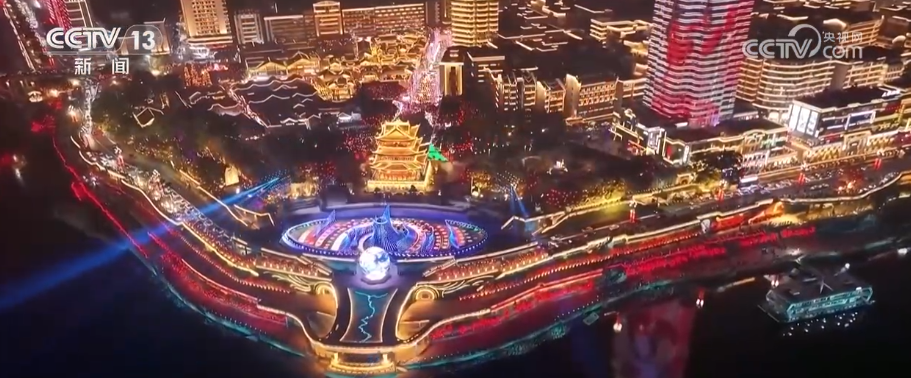
120个消费新场景实现销售额超46亿元 新潮涌动“马力十足”
Si Chuan Ri Bao· 2026-02-24 00:09
Core Viewpoint - The news highlights the vibrant consumer activity in Sichuan during the Spring Festival, driven by innovative consumption scenarios and supportive government policies, resulting in significant sales growth across various sectors. Group 1: Consumer Sales Performance - The monitored 411 retail enterprises in Sichuan achieved sales of 2.78 billion yuan, marking a year-on-year increase of 10.9% [4] - A total of 120 new consumption scenarios attracted over 56 million visitors, generating sales exceeding 4.6 billion yuan [4] - The province saw 1.181 million home appliances replaced under the old-for-new policy, with subsidies amounting to 660 million yuan, driving consumption of 4.53 billion yuan, reflecting year-on-year growth of 20%, 3%, and 33% respectively [7] Group 2: Consumer Engagement and Activities - Various regions in Sichuan launched special Spring Festival activities, enhancing consumer engagement through innovative scenarios [5] - Chengdu introduced themed events such as "Stories of China" and "Temple Fair + Lantern Fair," providing immersive shopping experiences [6] - Over 170 promotional activities were organized specifically for returning residents, with total discounts exceeding 100 million yuan [8] Group 3: Technology and New Trends - Technology-driven local specialties, including AI products, gained popularity during the Spring Festival, showcasing a unique aspect of consumer trends [9] - Chengdu's Tianfu International Airport welcomed over 60 international flights, ranking it among the top cities for inbound tourism in China [10] - The influx of foreign tourists contributed to a significant increase in consumption, with outbound visitors spending 31.088 billion yuan, a year-on-year rise of 14.05% [11]
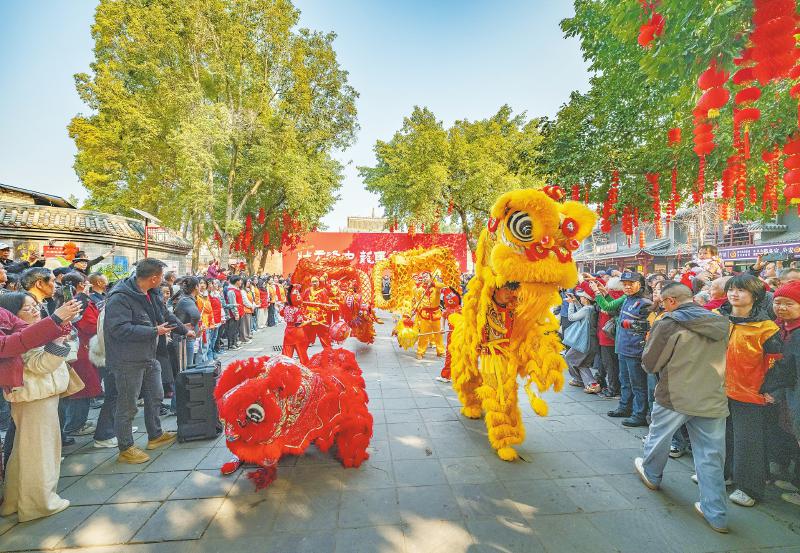
乐山有“新”年
Xin Lang Cai Jing· 2026-02-21 20:16
Core Insights - Leshan is transforming its tourism model from traditional sightseeing to experiential tourism, leveraging its world-class attractions like the Leshan Giant Buddha and Mount Emei to create new consumption scenarios [2][5] Group 1: New Tourism Strategies - Leshan is addressing "aesthetic fatigue" in traditional tourism by reimagining old resources with new experiences, such as the "IP crossover" event featuring elements from the Forbidden City [3] - The "2026 Leshan Grand Temple Fair" employs an "1+N" model to enhance visitor engagement through a blend of technology, tradition, food, and cultural creativity [3] - The use of immersive experiences, such as the MR exhibition and interactive markets, aims to attract repeat visitors by integrating local culture with modern technology [3][4] Group 2: Enhanced Visitor Experience - The Suqiao Ancient Town features a vibrant atmosphere with activities like traditional games and food challenges, creating a comprehensive experience for visitors [4] - The New Year's Eve dinner at the summit of Mount Emei offers a unique dining experience, showcasing local cuisine in a scenic setting [6] Group 3: Transportation and Accessibility - Leshan has introduced direct transport services to connect various attractions, allowing visitors to seamlessly transition between experiences, enhancing overall convenience [7] - The introduction of free shuttle services during the holiday period has expanded the consumer radius from individual attractions to the entire city [7] Group 4: Economic Impact and Consumer Engagement - Leshan distributed approximately 17 million yuan in consumer vouchers to stimulate spending across key sectors, including tourism and dining [8] - Data indicates that during the holiday period, the average daily foot traffic in Leshan's core commercial areas exceeded 60,000, with a year-on-year revenue increase of over 16% [8]

刨猪宴之外,“村”IP的春节打开方式
3 6 Ke· 2026-02-12 11:36
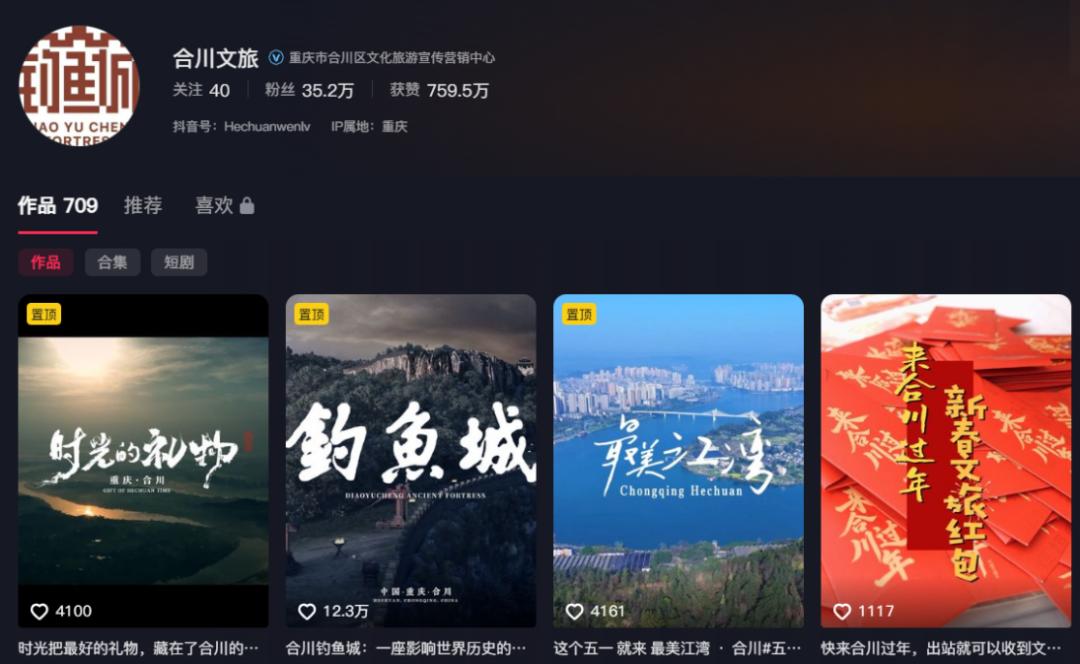
Core Insights - The unexpected popularity of the pig slaughter banquet in Chongqing has highlighted the flow anxiety and desire for breakthroughs in rural cultural tourism [1][2] - This event has transformed from a local tradition into a national template for rural tourism, with other regions quickly following suit [1][2] Group 1: Event Impact - The pig slaughter banquet attracted over 100,000 online viewers and led to a surge in local agritourism bookings, overwhelming local businesses [1] - The event coincided with the 2026 Spring Festival, a peak period for cultural tourism consumption, which further amplified its impact [2] Group 2: Response and Strategy - Following the banquet's success, local tourism authorities rapidly mobilized to promote the event, resulting in a significant increase in social media followers for the local tourism account, from 32,900 to 352,000 [4][6] - The focus has shifted towards creating unique rural IPs that reflect local culture and traditions, moving away from generic tourism offerings [6] Group 3: Broader Trends in Rural Tourism - The demand for rural tourism is increasing, with visitor numbers expected to exceed 4 billion in 2026, representing a 120% increase in orders [10] - Rural tourism is evolving into a key pillar of rural revitalization, accounting for 28.6% of total domestic tourism revenue [10] Group 4: Innovative Consumption Scenarios - New consumption scenarios in rural tourism are emerging, combining traditional experiences with modern consumer needs, such as immersive cultural experiences and high-quality leisure activities [12][13] - The integration of live streaming and AI technologies is being explored to enhance the rural tourism experience and facilitate product sales [16]
中银晨会聚焦-20260212-20260212
Bank of China Securities· 2026-02-12 01:01
Group 1: Macro Insights - January CPI growth rate year-on-year was lower than expected, while PPI growth rate was slightly higher than expected, influenced by the Spring Festival timing and base period rotation [4][5] - The average impact of the base period rotation on CPI and PPI year-on-year indices is estimated to be approximately 0.06 and 0.08 percentage points, respectively, which is relatively small [4][5] - CPI in January increased by 0.2% month-on-month and year-on-year, with core CPI rising by 0.8%, indicating a mixed inflationary environment influenced by seasonal factors and external inputs [5] Group 2: Real Estate Sector - The traditional residential development sector is contracting, while commercial real estate is entering a policy-driven growth phase, with a focus on creating new consumption scenarios to meet diverse consumer needs [12][13] - The shift from traditional commercial spaces to new consumption scenarios emphasizes emotional engagement and immersive experiences, moving beyond mere transactional spaces [14][20] - The rise of non-standard commercial projects, characterized by innovative space and operational models, is gaining traction, particularly in major cities like Shanghai and Beijing [16][17] Group 3: Chemical Industry - The dye industry is experiencing price increases due to rising costs of intermediate products, with significant price hikes observed in January, benefiting integrated companies with stable market shares [24][25] - The concentration of supply in the dye industry is improving due to stringent safety and environmental regulations, which may lead to a more favorable market environment for leading companies [26][27] Group 4: Electronics Sector - The demand for AI computing materials is expected to rise significantly as cloud service providers increase capital expenditures, leading to a supply-demand mismatch in the electronic fabric market [29][30] - Traditional electronic fabric production is transitioning to low-dielectric materials, with price increases anticipated across both traditional and low-dielectric electronic fabrics due to supply constraints [32][33]
甜城新春焕活力!内江“闲”地变“潮”新空间 “旧”圈生“新”消费场景丨万千气象看四川
Sou Hu Cai Jing· 2026-02-11 16:29
Group 1 - The core theme of the news is the revitalization of urban spaces in Neijiang, showcasing the transformation of idle land into vibrant cultural and recreational areas, particularly through the "Han'an Slow Time" project and the renovation of the "Sifangkuai" commercial district [1][9] - The "Han'an Slow Time" project, covering approximately 30,000 square meters, has been developed into a composite outdoor leisure space that integrates ecology, culture, and commerce, attracting 50 merchants and offering diverse experiences [2][5] - The project aims to enhance the quality of urban life by providing a "slow living" atmosphere, with expectations of daily foot traffic reaching 50,000 during the Spring Festival and an annual revenue target of 50 million yuan [8][9] Group 2 - The "Sifangkuai" commercial district has undergone significant transformation, attracting an average daily foot traffic of 100,000 and generating approximately 9 million yuan in daily consumption since its reopening [15] - The district features a mix of traditional and modern elements, including the introduction of well-known brands and cultural performances, contributing to a vibrant consumer environment [9][10] - Upcoming events during the Spring Festival, such as parades and interactive performances, are expected to further enhance the festive atmosphere and attract more visitors [15][16]
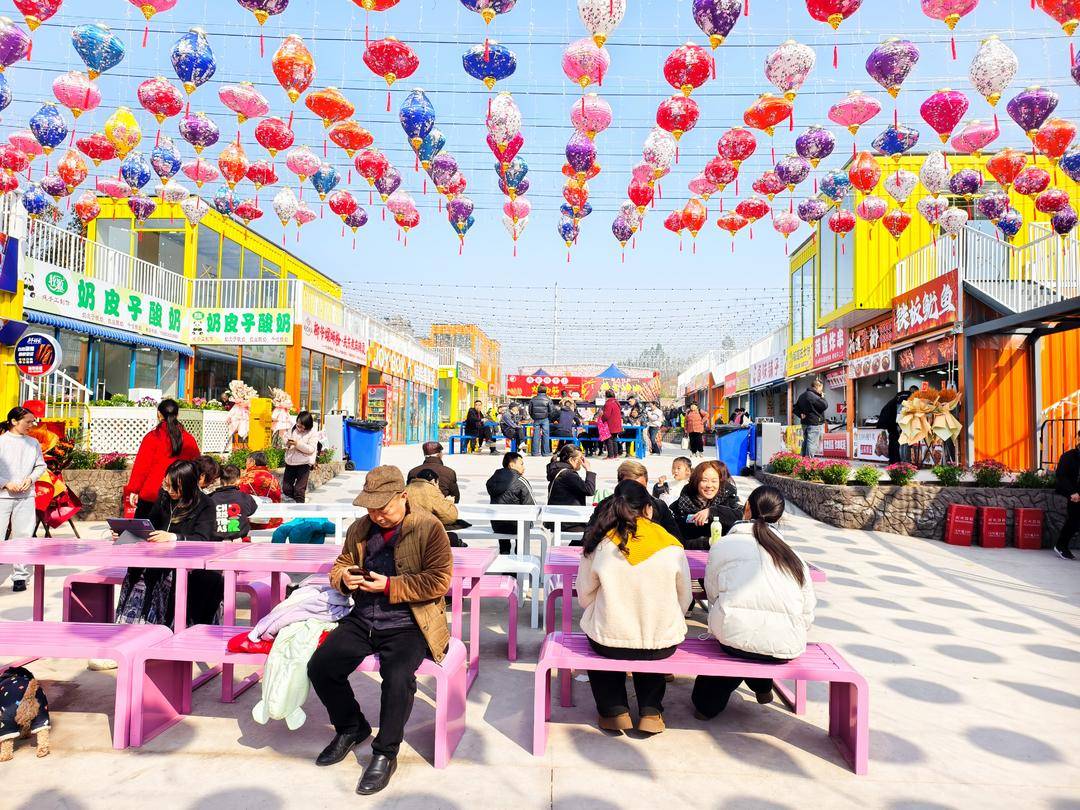
自驾出行占比八成左右,高速公路服务区迎来“春运大考”
Xin Lang Cai Jing· 2026-02-11 12:33
Core Insights - The 2026 Spring Festival travel period is expected to see 9.5 billion trips, with self-driving travel remaining dominant at around 80% of total trips. The total number of trips made by new energy vehicles (NEVs) is projected to reach a historical high of 380 million [1] Group 1: New Energy Vehicle Infrastructure - The G22 Qinglan Expressway's Jiejiazui service area has introduced a "near-zero carbon service area" featuring a "light-storage-charging supercharging station" that allows NEVs to recharge in just 20 minutes, alleviating range anxiety for drivers [3] - Gansu Province plans to accelerate its new energy layout by constructing 24 new supercharging stations by 2025, with smart charging networks covering 43 service areas. The number of NEVs serviced by the charging stations increased by 40.14% in the first five days of the Spring Festival travel period [3] Group 2: Smart Charging Solutions - Service areas in Henan have implemented a smart charging platform that allows real-time vacancy checks, reservation of charging slots, and contactless payments, enhancing the charging experience for long-distance travelers [4] - In Hubei, service areas provide one-on-one operational guidance for first-time users of charging facilities to improve efficiency during peak charging times [4] Group 3: Enhancing Travel Experience - Many service areas are evolving from basic functionality to creating new consumer experiences, such as the "Song Culture" themed service area in Kaifeng, which offers local cultural experiences alongside food [6][8] - The Yangcheng Lake service area, one of the largest in China, incorporates elements from traditional Suzhou gardens and offers various activities, leading to an increase in the average stay time for NEV drivers from 15 minutes to 45 minutes [8] Group 4: Comprehensive Service Improvements - The Ninghu Expressway's Dahu service area has dedicated RV parking spaces and facilities for RV travelers, including charging and water supply, with plans for significant upgrades by 2025 [10] - Gansu has introduced a "car and cargo worry-free" public liability insurance for trucks entering service areas, along with medical assistance services in 16 service areas [10] Group 5: Ongoing Service Optimization - Shandong service areas provide free hot water, food heating, and mobile charging, with some locations offering free shower services [11] - The implementation of age-friendly facilities, such as accessible restrooms in Henan, demonstrates a commitment to improving the travel experience for all demographics [11]
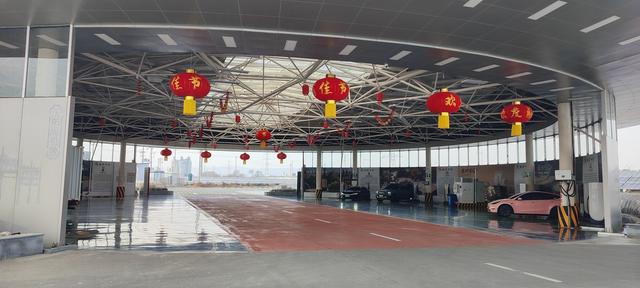
财经聚焦丨自驾出行占比八成左右 高速公路服务区迎来“春运大考”
Xin Hua Wang· 2026-02-11 12:01
Core Insights - The 2026 Spring Festival travel period is expected to see 9.5 billion trips, with self-driving travel remaining dominant at around 80% of total trips. The total number of trips made by new energy vehicles is projected to reach a historical high of 380 million [1] Group 1: New Energy Vehicle Infrastructure - The Gansu province has introduced its first near-zero carbon service area, featuring a "light-storage charging supercharging station" that allows for a full charge in 20 minutes, alleviating range anxiety for drivers [4] - Gansu's highway service group plans to accelerate its new energy layout by constructing 24 new supercharging stations by 2025, with smart charging networks covering 43 service areas. The number of new energy vehicles serviced by charging stations increased by 40.14% in the first five days of the Spring Festival travel period [4] - In Henan, highway service areas have achieved full charging coverage and launched a smart charging platform that allows real-time vacancy checks, reservations, and contactless payments [4] Group 2: Emergency Response and Service Enhancements - In Hubei, service areas provide one-on-one operational guidance for first-time users of charging facilities to improve efficiency during peak charging times [5] - In Jiangsu, emergency charging vehicles are deployed to assist when the queue exceeds five vehicles, capable of arriving within 10 minutes to provide charging [5] Group 3: Consumer Experience and Cultural Integration - Many highway service areas are evolving from basic functionality to creating new consumer experiences, integrating local cultural elements such as the "Song Culture" theme in service areas [6][7] - The Yangcheng Lake service area, one of the largest in China, incorporates elements from traditional Suzhou gardens and offers various cultural activities, resulting in an increase in the average stay time for new energy vehicle owners from 15 minutes to 45 minutes [7][8] Group 4: Comprehensive Service Improvements - Various service areas are enhancing their offerings, such as providing free hot water, food heating, and mobile charging, with some areas also adding free shower services [13] - The introduction of age-friendly facilities, such as accessible restrooms, has been noted to improve the travel experience for older passengers [14]

新消费时代下的大机遇系列报告一:从“场所”到“场景”,新消费时代下的商业地产迎来重大机遇
Bank of China Securities· 2026-02-11 08:04
Investment Rating - The report rates the real estate industry as "Outperforming the Market" [1] Core Insights - The traditional residential development sector is contracting, while commercial real estate is entering a policy-driven growth phase, with a focus on new consumption scenarios starting from 2024 [1][8] - The shift from traditional commercial spaces to immersive experience-driven scenarios is essential to meet the diverse needs of modern consumers [1][10] - The report emphasizes the importance of integrating "scene" and "consumption" to create unique consumer experiences, enhancing customer retention and engagement [1][10] Summary by Sections 1. Current State of Commercial Real Estate - The commercial real estate sector has entered a "stock era," with the number of new openings in 2025 reaching a ten-year low, with 369 new projects and a total area of approximately 27.41 million square meters, down 24% and 25% year-on-year respectively [15][19] - High vacancy rates and declining rents are significant challenges, with 2025 seeing a 20% share of new openings being stock renovation projects [14][15] - New market entrants include outlet malls and themed commercial spaces, which are becoming differentiated "new scenes" [14][15] 2. New Consumption Scenarios - The core of new scenarios lies in transitioning from merely providing sales spaces to creating emotionally resonant immersive experiences [1][10] - The rise of new consumption brands is reshaping the operational strategies of commercial real estate, focusing on customer flow and experience rather than just transactions [1][10] - Non-standard commercial projects, characterized by small-scale and open street designs, are gaining traction, with a 18.7% increase in foot traffic compared to traditional shopping centers [1][10] 3. Differentiated Commercial Spaces - The report categorizes non-standard commercial spaces into three types: fashion innovation, retro innovation, and ecological innovation, each targeting different consumer emotional needs [1][10] - Major cities like Shanghai, Beijing, Hangzhou, and Chengdu are leading in the development of non-standard commercial projects, with a significant focus on cultural and experiential elements [1][10] 4. Recommendations for Developers and Operators - Developers and operators are encouraged to innovate by creating differentiated offerings that resonate with specific consumer segments, emphasizing cultural integration and social spaces [1][10] - The report suggests that the focus should shift from traditional metrics like rental income to new indicators such as customer dwell time and engagement in experiential activities [1][10] - The commercial real estate sector is expected to benefit from favorable policies during the 14th Five-Year Plan, with opportunities for high-quality assets to thrive [1][10]