机器人工程化

Search documents
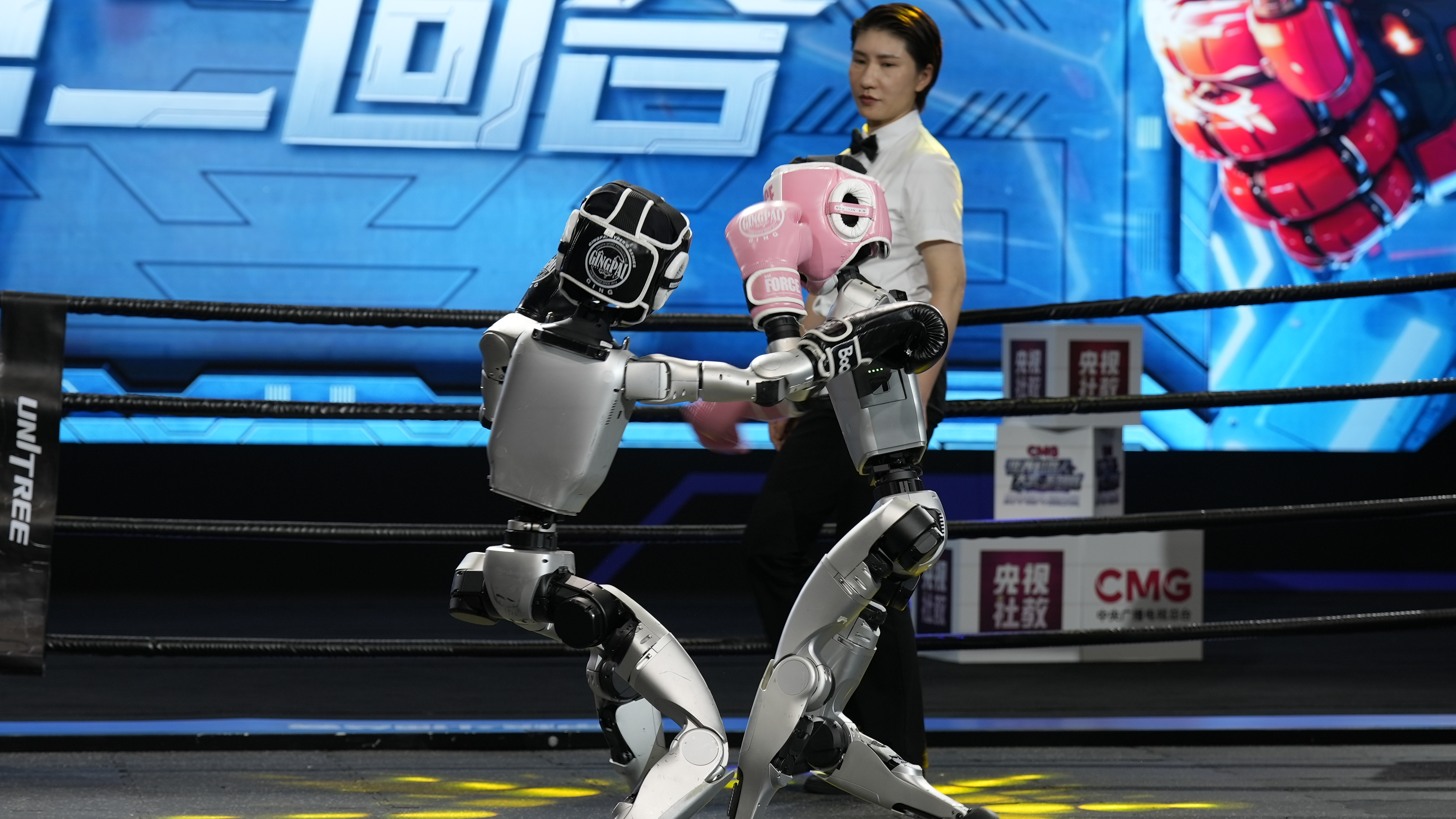
机器人从苏州走到上海,106公里没摔跤
第一财经· 2025-11-21 10:41
Core Viewpoint - The article discusses the challenges and achievements of the humanoid robot A2, which set a Guinness World Record for the longest distance walked by a humanoid robot, highlighting the complexities of integrating robots into real-world environments [3]. Group 1: Robot Performance and Challenges - The A2 robot completed a journey of 106.286 kilometers, becoming the record holder for the longest distance walked by a humanoid robot, but faced significant challenges in real-world navigation [3]. - The robot's battery life allows for 3 hours of standing and 2 hours of walking, necessitating a support vehicle for battery changes during its journey due to the lack of outdoor charging stations [5]. - The A2 operated in a "semi-autonomous" mode, requiring it to navigate around pedestrians and vehicles while adhering to traffic rules, which posed additional challenges [6]. Group 2: Engineering and Technical Considerations - Prior to the journey, the A2 underwent over 3500 hours of reliability testing in various environments, emphasizing the importance of stability and reliability in real-world conditions [9]. - The article notes that while smaller humanoid robots can perform complex movements, full-sized robots face greater challenges related to stability, structural integrity, and energy consumption [9]. - A significant gap exists between creating a robot demo and delivering a stable product, with over 50% of delivered robots requiring maintenance, indicating systemic issues in the delivery process [10]. Group 3: Future Considerations for Robotics - For robots to be successfully integrated into outdoor environments, societal infrastructure and regulations, such as designated charging points and identification systems, will be necessary [10]. - The article suggests that as robots become more prevalent in commercial applications, the development of supportive infrastructure and rules will likely evolve [10].

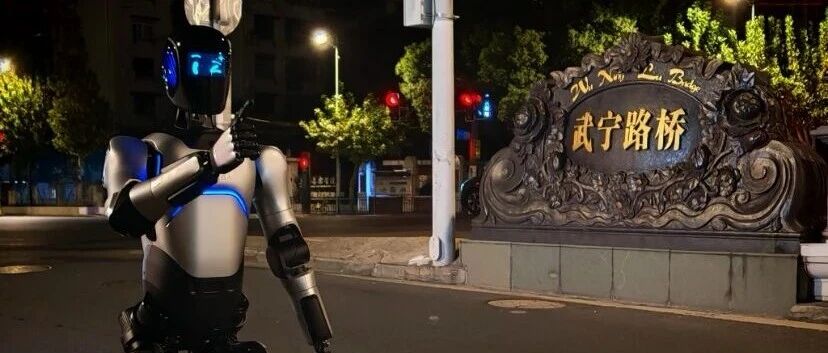
机器人从苏州走到上海,106公里没摔跤,但卡在“规则”与“补给”
Di Yi Cai Jing· 2025-11-21 10:00
Core Insights - The article discusses the challenges faced by humanoid robots, specifically the A2 model from Zhiyuan, during its record-setting journey of 106.286 kilometers, highlighting the need for stability, robustness, and technological boundaries in real-world applications [2][6]. Group 1: Robot Performance and Challenges - The A2 robot completed a Guinness World Record for the longest distance walked by a humanoid robot, but faced significant challenges in real-world environments, such as navigating pedestrian and non-motorized lanes and dealing with human interactions [2][3]. - The A2's battery life allows for approximately 2 hours of walking, necessitating a supplementary power supply method, as outdoor charging stations are not available [3][6]. - The robot operates in a "semi-autonomous" mode due to safety concerns, as it must navigate unpredictable human and vehicle interactions while adhering to traffic rules [4][6]. Group 2: Engineering and Technical Considerations - The A2 underwent over 3,500 hours of reliability testing in various conditions, emphasizing that the challenge lies in maintaining stability and reliability in non-standard situations rather than just achieving mobility [6][7]. - The complexity of full-sized humanoid robots is significantly higher than smaller models, requiring greater attention to stability, structural strength, energy consumption, and safety [6][7]. - The current delivery rate of robots shows a maintenance rate exceeding 50%, indicating systemic issues in stability and consistency that cannot be solely attributed to supply chain factors [7]. Group 3: Future Considerations and Infrastructure - For robots to integrate successfully into outdoor environments, societal infrastructure and regulations, such as designated charging points and identification systems, will be necessary [7].

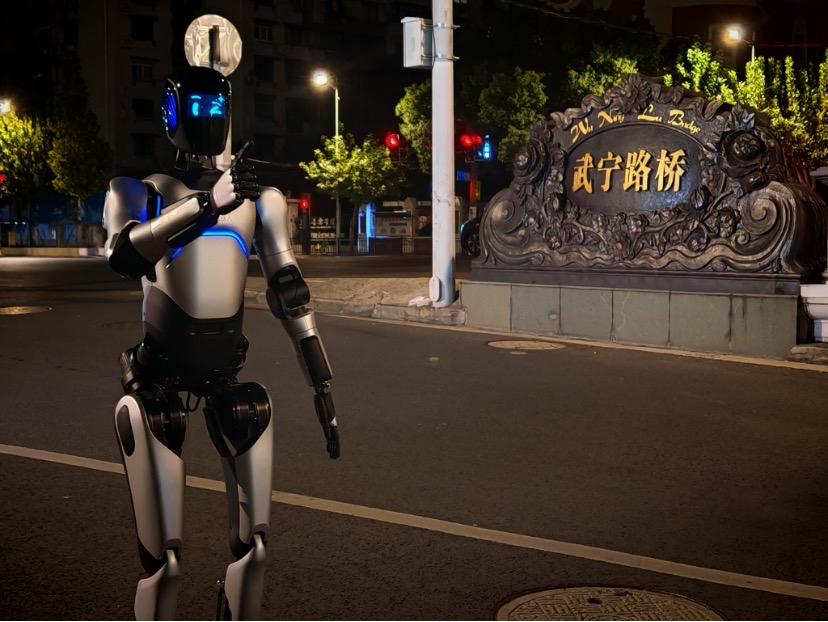
“全员格斗”背后:别让流量焦虑掩盖机器人工程化难题
第一财经· 2025-05-26 14:51
Core Viewpoint - The robotics industry is evolving rapidly, with companies like Yushu and Zhongqing showcasing advanced capabilities through combat competitions, reflecting a collective anxiety within the sector as it seeks to capture attention and validate technology [1][2]. Group 1: Industry Trends - The robotics sector is moving from basic functionalities like walking to more complex demonstrations such as dancing and fighting, indicating a shift in focus towards more engaging displays [1][2]. - The emergence of combat competitions is not merely a technical showcase but a strategic move to capture public interest amid a backdrop of technological challenges and unclear business models [2][3]. Group 2: Technical Insights - Yushu's G1 robot demonstrated notable performance in a recent combat event, showcasing its hardware and algorithm stability despite some operational challenges [3][4]. - Combat scenarios serve as a comprehensive test for robots, evaluating their mechanical structure, motion control, sensor integration, and intelligent decision-making capabilities, which are crucial for real-world applications [4]. Group 3: Industry Concerns - There are concerns that the focus on attention-grabbing events like combat competitions may overshadow significant engineering challenges, such as hardware-software integration, power consumption, and long-term stability [4].
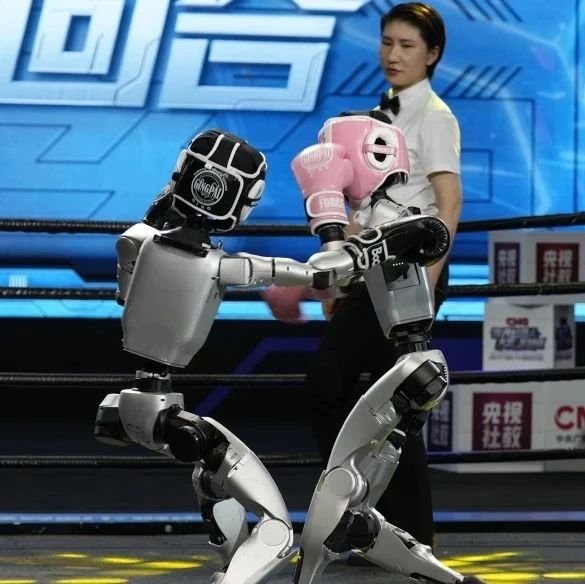
“全员格斗”背后:别让流量焦虑掩盖机器人工程化难题
Di Yi Cai Jing· 2025-05-26 03:39
Core Viewpoint - The robot fighting competitions are not merely technical showcases but represent a competition for attention within the industry [1][4][5]. Group 1: Industry Trends - The complexity of robotic demonstrations is increasing, moving from walking to running and now to fighting, as companies seek to capture attention [4][5]. - Companies like Yushun and Zhongqing are actively participating in robot fighting events, indicating a shift in focus towards more engaging applications [1][4]. - The industry is experiencing collective anxiety, as evidenced by the proliferation of fighting events, which serve as an extension of technology showcases [4][5]. Group 2: Technical Insights - Yushun's G1 robot demonstrated notable performance in a recent competition, showcasing its hardware and algorithm stability despite some operational challenges [5][6]. - The ability of G1 to maintain balance during high-intensity confrontations relies on AI reinforcement learning and joint perception [6]. - Fighting scenarios can comprehensively test a robot's mechanical structure, motion control, sensor fusion, and intelligent decision-making capabilities, which are crucial for real-world applications [6]. Group 3: Industry Concerns - There are concerns regarding whether these competitions are a natural evolution of technology or merely a marketing gimmick to attract attention [5][6]. - The focus on attention-grabbing events may overshadow significant engineering challenges, such as hardware-software integration, power consumption, and long-term stability [6].